Not a lot to write about today, because I didn’t do too much today! (Hopefully yesterday’s post was good enough for 2 days’ worth of material.) I’ve mainly been focused on getting ready for what’s to come. Today, I talked a lot with Miguel, the director of the El Fénix cooperative where I’ll be working for a month, which was great. I also set up a chat with a local expert on the Colombian coffee scene, so we’ll get to meet up on Monday to talk. Finally, I visited the Usaquén neighborhood of Bogotá and went to a bunch of cool coffee shops there.
I took another electric scooter up to the Usaquén district, where I first hopped into a place called Café Quindio, whose array of manual brewing equipment in the front enticed me in. The coffee was served in a paper cup, which certainly lowered my expectations, but it tasted excellent!
My whole time through Usaquén was spent trying to get to Catación Publica, one of Bogotá’s more famous specialty coffee shops. It took me a while to get there, though, because I kept stopping at cool coffee shops!
My next stop was at a place called Café San Alberto, where I had another great pour over.
I grabbed some lunch at a hip looking place, where I finally tracked down a salad amidst the very meat-heavy meals that are typical of Colombian food. It was delicious!
Finally, I got to Catación Publica. Catación Publica is hosting a Q Grader class next weekend, which is one of the first ways I found out about it. This is pretty impressive because I could only find 1 Q class taught in Colombia all year, and it turns out to be one of the two weekends I’m in Bogotá! I’m planning on retaking the washed milds triangulation there next week, barring any schedule changes. Also, their coffee was delicious.
On my way back, I finally got to go to Amor Perfecto, which is probably the best known specialty coffee shop in Bogotá. They just opened a new place in the Usaquén district, which I stopped by. It was lovely!
That was mostly it for the day. I got to spend some fun time walking around Usaquén and checked out the gym at my hotel, but besides that I wrote a couple of emails and had a few cool phone calls. Tomorrow’s a much bigger day: I’m going to Devocion’s milling plant to meet someone there at 9am, and will hopefully spend a good chunk of the morning there. Then at 3:30pm, I’m heading to the La Palma y El Tucan farm for the weekend, which I’ve heard fantastic things about!
Look for a fun post tomorrow. In the meantime, have a good one!
I’ve wrapped up Bogotá Day 3, and I’m getting into the coffee groove now. Today I visited 4 specialty cafés, talked with a number of really knowledgeable baristas, and had time for a couple of cool tourists stops as well. I also had some delicious Colombian food! My favorite part of the day was talking to the barista at Café Cultor, who was warm, knowledgeable, and very open about his experience. I’ve come up with a pretty lengthy blog post to recount it, and I hope you enjoy!
After a bit of a slow start out the gate, I made it out of the hotel in time for a breakfast of some Colombian pastries from a bakery down the street. I hopped onto one of those electric scooters for rental again and took it down to Cafe Devoción, which is tucked into the lobby of the Hilton Bogota.
Cool vibe!
Red Barrel – always my favorite blend
It was super fun to drink the coffee at Devocion because it tasted just like I remembered it from NYC. The shop also had a great vibe to it. After Devocion, I walked around a bit and ended up at another coffee shop. This one was probably my favorite coffee of the day, and the shop is beautifully situated, tucked into an alley. The cafe is called Libertario.
Libertario was a really cool coffee shop for many reasons. First and foremost, they exclusively source coffee from the La Palma Y El Tucán farm outside of Bogotá, which is where I’ll be staying this weekend! (La Palma has a couple of cabins nestled among the coffee trees, which I’ve heard makes for an awesome experience. La Palma is different from the farm I’ll spend the bulk of the summer on, El Fenix.) You’ll hear more about La Palma soon, but it was cool to see Colombian coffee being served just an hour away from the farm.
I drank the honey processed Gesha from La Palma, which Libertario calls “el Rock.” The honey processing removed some of the sharpness from the acidity and blunted floral flavors of the cup, in return for sweeter fruit notes like cantaloupe. I really enjoyed the coffee, and Julian, the barista, did an excellent job brewing it. Every time someone ordered a pour over, he poured whatever didn’t fit into the mug into an espresso cup and told me to try it. It was a super fun time.
What made my experience at Libertario special, though, was a wonderful conversation with Julian. Julian competes in barista competitions and is a highly skilled brewer of all things coffee. We discussed the specialty coffee market and Libertario’s place in the Colombian coffee scene. He was enthusiastic about the growing demand for specialty coffee in Colombia, which helps keep the profits of the booming market in producing countries where they can be directly reinvested. Our conversation flipped between me asking questions very slowly in as basic English as I could muster, him answering rapidly in Spanish (about 40% of which I could understand), and a couple of stints with Google Translate. Ended up working out pretty well!
After Libertario, I needed some food to stomach the caffeine. I found an awesome restaurant nearby called Restaraunte la Herencia, which offers a wide spread of Colombian specialties and new dishes in a very cozy environment. All of the seats were couches!
I did not make the mistake of ordering an appetizer before this one, unlike at dinner last night.
Before I left for Colombia, Sergio, Devocion’s NYC roaster/coffee master whom I studied under for a summer in 2017, gave me a big list of things I had to try. At the top of the list was Ajiaco, a very hearty chicken stew. When I saw it on the menu at la Herencia, I knew what I had to do. Sergio, I was not disappointed! It had a ton of interesting flavors and textures, including different types of potatoes, shredded chicken, and guasca, a unique Colombian herb. The ajiaco was also a great way to digest some caffeine.
Can you guess what I did after lunch? Yes, got more coffee.
Next on the list was Café Cultor, one of the specialty coffee shops I’d heard the most about from baristas and online blogs. It was also one of the select few that Sergio recommended I try.
Café Cultor is tucked into a lively old brick house in the Chapinero neighborhood of Bogotá.
The brew bar had a bunch of stools for you to sit down and watch the barista brew your coffee, and even to chat! It also had those vials of coffee that you’re invited to smell before you decide which coffee you want to drink.
They money shot. I got the Volcanic Caturra, whose label you can barely make out on the left.
All of the specialty cafés in Bogotá for some reason have a ridiculously nice backyard seating area, and Cultor was no exception.
I got lucky at Café Cultor, because all of the baristas working there spoke very good English. Hernando brewed my coffee, and we ended up chatting for about half an hour. Hernando has a really cool story in coffee – the kind you can only find in a country like Colombia.
Hernando’s family are coffee growers in the Cauca department, and he grew up growing coffee with them. He decided to come to Bogotá to learn about the specialty coffee market and further his knowledge. Hernando spends a lot of his free time at Cultor learning how to evaluate samples, from sample roasting to cupping. He explained that he wants to build this knowledge so that he can better understand quality in the cup.
What struck me most was that Hernando’s goal was not to just become your standard industry coffee pro. His goal is to go back to his family’s coffee farm in Cauca and use what he has learned in the specialty industry to improve his family’s product and improve their standard of living.
Of course, this lends him an incredibly unique perspective which I was eager to learn about. According to Hernando, the largest issues facing coffee producers all stem from a lack of education. Fermentation and processing methods are chief among these, especially as coffee buyers look for more and more unique coffees to set them apart. Well-funded places like La Palma can keep up, and continue to experiment with new varietals, unique fermentation processes, and processing methods. (That honey Gesha I had at Libertario from La Palma underwent a lactic fermentation process, which is very new to the industry and pretty hard to control.) Most farmers can’t.
Add this on top of the fact that farms are facing increasingly difficult growing conditions due to the spread of funguses and pests (La Broca and La Roya) and you’ve got a hard deal for most smallholder farmers. Then factor in varying weather patterns, increased heat, and changes in soil content due to climate change, and well, you can see why the industry is in a tough spot. Around the same time I was talking to Hernando, one of my professors at Princeton emailed me this article from the Washington Post which confirms as much for Guatemalan growers and links the coffee industry to increasing asylum claims from undocumented migrants.
Tough stuff. Hernando’s shift was over, and I thanked him a lot for the wonderful conversation. It started to get really nice and sunny out, and the forecast for the rest of the day did not have rain, for once! This gave me a golden opportunity to see one of Bogotá’s best sites, or, should I say, see Bogotá from one of its best sites: Mt. Monserrate. I took a funicular up the mountain, and arrived to a stunning spot.
You can kind of make out that tiny little rail track for the funicular here!
It was pretty packed inside.
It also leaned like 10º over at all times, which is a little concerning.
The outpost up top is a series of classic Colombian buildings surrounding a Church.
Then, I saw the view.
Wow.
It was breathtaking (and that’s not just because you’re at 3,000 m.a.s.l. – meters above sea level). Bogotá is a miracle of a city, and you start to realize that from up there. The city rests at about 2,600 m.a.s.l., which is crazy high. It’s nested into a valley between branches of the Andes mountains.
Before I left for Colombia, my dad was very curious as to why the capital city is in the middle of nowhere, stuck in the mountains of Colombia. I didn’t know! It certainly seems like it would make commerce and governance harder. Up on the top of Mt. Monserrate, you start to get the feel that it’s just the sheer beauty of the setting that caused it.
It turns out, that’s not true. But it’s nice to believe it as you take in the view. The real explanation, as I learned later today, is that Bogotá was believed to be the famed city of El Dorado due to its huge amount of gold. I got to see a lot of this gold later, but not before a few more stops.
At the base of Mt. Monserrate is the compound that Simon Bolivar lived at for many years. If you’ve never heard of Bolivar, read his whole wikipedia page right now, it’s insane. He reminds me of the kind of pseudo-credible historical stories that my dad would tell: “yeah, that guy liberated all of South America.” Except Bolivar actually did! Here’s the wiki: “Bolivar, or The Liberator, […] led the secession of what are currently the states of Venezuela, Bolivia, Colombia, Ecuador, Peru, and Panama from the Spanish Empire.” What!!!
I went to see Quinto Bolivar, which is now a museum that you pay $1.10usd to get into. I was the only one there!
It was a pretty cool sight, and there were English plaques that helped explain some of the icons.
Next, I went to… you guessed it, another coffee shop. This was the last one of the day, and was a fun, hip spot called Varietale.
The coffee at Varietale was a roasted a bit darker than my preference, but it was probably the best medium-dark roast I’ve had. It was rich and sugary, with a big, chewy body. I didn’t enjoy the ever-so-slight smokey aftertaste, but that’s the trade off with bringing out more chocolatey and caramelized notes.
After Varietale, I saw what’s listed as the #1 thing to do in Bogotá: the Gold Museum, or Museo del Oro. The Gold Museum boasts an astoundingly large collection of pre-Colombian golden works from in and around Colombia. It just kept going on and on!
At the Msueo del Oro, I learned some of the anthropological history of Colombia. For about 2500 years, Colombia was exclusively inhabited by an array of indigenous tribes. Each had unique customs and rituals, but they all shared at least one major aspect in common: the use of gold in spiritual practices. The Colombian Andes were incredibly rich in gold, and metallurgy developed as early as 1500AD.
Bogotá specifically was one of the most gold-rich parts of Colombia. In fact, so many Bogotans wore golden jewelry that legend spread through the Colombian countryside that there was a large city in the highlands that was made of gold. This myth was retold to colonial explorers, who dutifully passed on the legend of El Dorado – the city of gold.
Of course, Bogotá was not made of gold, but it did contain an exorbitant amount of it. One of the most interesting facets of this supply was an annual ritual with the leader of the local tribe: the community would travel up to Lake Guatavita, the leader would cleanse himself in golden dust, and all of the observers would throw gold and emeralds into the lake as offerings. Talk about oversupply!
When conquistadors heard of this legend, they quickly consumed themselves with finding and draining the lake. Despite numerous attempts, colonists were never able to steal the majority of the offerings buried in Lake Guatavita. Since 1965, the lake has been protected by the Colombian government.
After the Gold Museum, I had some more incredible Colombian food for dinner at a nearby restaurant. This time, I got the Bandeja Paisa, which is a huge mix of meats, beans, rice, plantains, and everything else that’s good in the world:
With a jugo de lulo y un tazo de agua.
That was a great way to end another awesome day in Bogotá.
Phrase of the day: ¿Cuál es tu café favorito? The only thing you’ll ever have to ask a barista!
I had a fantastic day in Bogotá today and am starting to feel like I know the city a bit. Of course, it’s a huge city with many different parts, but I’ve been through a bunch of the neighborhoods by now and am starting to get a feel of the vibe of the place. My goal now is to go from knowing the city to understanding the city, through a better grasp of the history of Colombia and Bogotá as well as more interactions with locals.
Here’s a brief outline of all the wonderful things I did today, then I’ll get into all the fun photos and details down below!
Hotel Breakfast
Bogotá Bike Tours – tour of La Candelaria/southern Bogotá:
Bolivar Square – congress, cathedral
Marketplace and Tejo (really fun!)
Park Nacional
Parkway
Coffee roastery and cafe
Back through some sketchy districts
Some excellent coffee shops
An awesome uber ride
One amazing dinner
It was a wonderful day! I took tons of pictures, so I’ll try to make this blog post a fun visual overview of my experience in Bogotá so far. I’m really enjoying this city: the people, the scenery, the food, and yes, the coffee, have all blown me away.
I started off with the hotel breakfast buffet, which was perfectly fine. From there I got an Uber from the north end of Bogotá, where I am, all the way to the south end of the La Candelaria neighborhood. I was hoping to make the 10:30am bike tour, so I left the hotel at 9:35 optimistically. Unfortunately, traffic and a few wrong turns got me stuck, so I called up the bike place and told them I was running late. They assured me it wouldn’t be a problem
Eventually I got to the meeting point for Bogotá Bike Tours and I was pretty surprised by the place: it was a hole-in-the-wall tucked into a side alleyway run by an expat named Mike from California. The group had already left, but Mike set me up with a bike and a helmet and he and I took off to catch up.
We briefly stopped at the Bolivar Square, which is the core of the Capital District, flanked by the Capital Building, the Supreme Court, and an old Church.
This is the Capital Building on the left
This is another government building on the square. Looks like I forgot to take pictures of the Church and Courthouse. Oops.
From there, Mike took me down Calle 7, which is a big, bustling pedestrian street. Because there was basically no one in our way and I felt like I had a lot of room to stop, I tried to take a video. A little note about this: it’s of course a little tricky to get your phone out of your jean pocket, open the camera, and record while biking, so I tried to be hasty with it. Even still, it felt like I was taking a 30 second video. It turns out I did not take that long of a video of the biking experience:
Brief rant: WordPress won’t let me upload a video! I’d understand if it weren’t capable of doing so, but I am very frustrated at how they handle it. When I try to upload it, I get the following message:
I mean annoying, but fair enough
So I googled what file types wordpress does support “for security reasons”, and it turns out .mov files are totally fine but you need to upgrade your blog to premium in order to upload a movie! That’s absurd!!
security reasons my ass
Ok, back to our regularly scheduled programming. I just wanted to share my pain briefly.
The point of that video was that it’s actually .7 seconds long, but the biking made it feel forever. It’s not that great, I promise. It’s also very hard to record video while biking through a city!
Mike and I met up with the rest of the group and he dropped me off. Our guide Diego took us to many awesome experiences around Bogotá from markets to cafes. One thing about Diego that I especially appreciated was his knowledge of the murals/graffiti around the city, and how they played into the story of Bogotá. My first stop with the group was a mural commissioned by the mayor to try to stem gun violence in the city:
We stood out quite a bit in our ponchos!
I think that pistola has two meanings which makes this a pun
Next, we went to a market hall where we tried a bunch of incredible kinds of local fruit and some specialty Colombian chocolates.
The market hall we went to
Trying fresh Colombian avocado with salt – it was delicious and enormous!
The fruit stand that we bought from. Look at all those new flavors!
This was a mangosteen, which is a dark red fruit with milky white fruity bulbs in the middle.
Colombian passionfruit, “but this is much sweeter and healthier,” we were assured. Also called Pitaya
Your trusty traveller makes an appearance!
After the market hall, we went across the street to a very unassuming storefront with an enormous interior! It was a Tejo pit, which is a Colombian game. The best I can describe it is Cornhole with gunpowder. Take a look:
The Tejo pit consists of an enormous open-air space and lots of beer.
Unfortunately I still can’t upload videos, because the video I got of this is crazy. Here is a video of Anthony Bourdain learning to play it. In Tejo, you throw metal hockey-puck sized objects called Tejos into a clay pit, just like cornhole. Except the target is a bit different: you’re trying to either hit, or land inside of, a metal circle in the clay. Here’s the catch: you line the metal circle with small packets of gunpowder, so that when you hit then they explode!
It was super fun. I hit the gunpowder twice, albeit in the “gringo” set up (lots more packets, and you stand much closer).
After Tejo, we went to the central banking district of Bogotá, which was also home to the first Colombian beer factory, built by Germans in the 1800s. We learned the story of the indigenous fermented corn drink, chicha, and how German ad schemes made people think that chicha made you stupid. In fact, Diego even told us that chicha was outlawed after an insurrection the 1920s because it was determined to be the cause of the protests. Since then, it’s been relegalized, but it’s not as popular as it used to be.
Can you guess which building is from the 1800s?
Next we biked up the hill to the Park Nacional, which is a beautiful, spacious public park on the east side of the La Candelaria district. Surrounding the Park Nacional is a very preppy (and very expensive) private university which apparently lives in its own bubble. This stands in contrast to the majority of universities in Bogotá, which are located centrally in the most populous neighborhoods. Diego even told us that the students of this preppy university have their own extra-posh Spanish accents, which is pretty crazy.
We then biked through town to the Parkway, which is a large avenue with a big park in between the two directions – just like Park Ave in NYC!
Deju vu minus the tulips
Then it started really pouring, which was actually pretty fun. We had our ponchos on, but I still got pretty soaked. We biked for about 2 miles to get to a coffee roastery on the west side of town and got to learn a teensy bit about local Colombian cafés. One of my takeaways was that almost all “Excelsior”-grade coffee (the top grade in Colombia) gets exported for higher prices, so lots of the coffee that stays in Colombia is commercial grade or defected.
The roasting and blending lab. That’s probably an 80 kilo Probat they have there!
Check out the afterburner on that thing! That tank burns the exhaust of the roaster at something like 900ºF, and that roaster is making a lot of exhaust!
Opening up one of the barrels of freshly roasted coffee brought me back to my days at Devocion. This one was roasted a bit darker and felt like diving into a pool of chocolate milk.
The coffee roastery was a super fun stop for me, but we only got into the surface level of the coffee industry. Mike met us at the attached café, and he and I talked for a while about the Colombian coffee industry. He organizes coffee tours of Bogotá with local guides, so I think I’ll sign up for one in the next few days to talk to some locals more in tuned to the specialty industry.
After the café, we had a bit of a talking-to by Diego. He emphasized that they wanted to show us an honest portrait of Bogotá, so we’d be riding through a sketchier district next where we weren’t allowed to take our phones out of our pockets and had to stick in a tight formation. Diego had an interesting story about the neighborhood surrounding that one, though. He explained that real estate developers realized that the location of this real estate would be perfect for new development, but first had to kind of clean up the neighborhood. Diego said that they had a full plan to buy up all of the real estate, slowly gentrify the neighborhood, and develop and sell it for a big profit.
“So what’s the first part of gentrification?” Diego asked “Artists!” We drove through a bunch of huge graffiti murals that the real estate developers had commissioned famous Colombian artists to create. These were on the outskirts of the sketchy neighborhood, so we were allowed to take some photos:
I was struck by the intricacy and beauty of the murals. Many had potent political messages about indigenous tribes’ rights, the human costs of violence, and Colombian pride.
Finally, we returned through the bustling La Candelaria district to get back to the bike shop. I think that biking through Bogotá must be one of the best ways to get to know the city as you negotiate seemingly lawless traffic, busy pedestrians, and cracked pavement. For example, this intersection was just one of many that made me appreciate how exciting Bogotá is:
I promise I was safe, Mom! There’s us with our helmets in the bottom-right.
The last few blocks were a pretty steep incline that had us huffing and puffing by the end. We ended up biking something like 14 kilometers, which is not bad for a day’s work!
A triumphant Alex survives!
We all thanked Diego endlessly for his knowledge, honesty, and friendliness throughout the tour. 10/10, would recommend!
Afterwards, I walked back through Bolivar square, went to two more coffeeshops, and got a couple of nice helpings of street food. My favorite of the day was the Obleas, which is a thin wafer-sandwich with two pieces of waffle-cone style crust and whatever jams or sauces you’d like in the middle. I got dulce de lece, strawberry jam, and chocolate chips. ¡Muy deliciosa!
Then I had one of the coolest parts of my day, which kind of came out of the blue! It started pouring again around 4:30, so I called an Uber back to Park 93 neighborhood to get some dinner and go back to my hotel. I met the guy on the street corner and we struck up a conversation on the pretty long, traffic-laden drive back.
He spoke a tiny bit of English and I spoke about 30 words of Spanish, so we started off pretty slow. I explained that I was from America, and I was in Bogotá for about 2 weeks before I go to Quindio. He lit up when I said Quindio – he’s from Quindio! I said that I was going to Quindio “para estudiar cafe,” and he got very excited again. “Solía ser un collectar de cafe!” A coffee harvester!
This is when things got very exciting. My uber driver was a coffee farmer from Quindio! How about that! At this point, I broke out the Google translate so that we could have a real conversation. I asked him about Quindio, and he explained the farms he worked on: pesticide-free, organic, high in the mountains, and very beautiful. He told me that his family is now spread across Spain, Quindio, Medellin, and Bogotá, but he grew up in Quindio and has a special place in his heart for it.
We then talked about the difficulties of the low price that foreign companies pay for coffee, and got a bit into the direct trade model of the specialty coffee market. He raised some really interesting points about how the farms that he worked for were enormous business ventures that sold directly to commercial buyers, and he was worried farmers like him would get left out of the increase in prices from the specialty market. I was really intrigued by this new perspective about the commercial market – will it get left behind, or even cheaper because of the specialty boom? Honestly, I have no idea, and I want to learn more about it.
The 45-minute Uber went by in a flash and we were back at my hotel. I thanked him for a great time and snagged a selfie before I left.
Me and Elkin, the coffee farmer from Quindio turned Bogotá Uber driver!
That was really the highlight of my day. One takeaway phrase? “Certificado organico,” an expensive certification process that organic coffee farms can get to increase their desirability to buyers.
The concierge recommended a local restaurant for dinner called Andres D.C. It was about a 20 minute walk, but I saw one of those electric scooter rentals on the sidewalk and still had the app for it installed on my phone from a trip to San Francisco, so I tried it out! Bogotá has a ton of dedicated bike lanes, especially in the Park 93 neighborhood, so I felt pretty comfortable trying it. It was super fun and zippy and got me right to dinner.
For dinner, I asked the waitress to pick out whatever authentic Colombian food she thought I might enjoy, and she did a great job. I had fried plantains with cheese as an appetizer, then an enormous steak-based dish with onions, tomatoes, and rice. I wasn’t really expecting it, but it was absolutely delicious!
The dinner was amazing and left me absolutely stuffed, in true Colombian fashion. I zipped back to my hotel and called it one heck of a day!
Today’s phrase: yo estudia física – I study physics. Came up many more times than I was expecting and always seems to intrigue!
Signing off from day 2 in Bogotá. Check in again tomorrow!
I’m here! Alex’s Coffee Adventure has reached its primary destination: Colombia! I’m so excited to be here and enjoy all of the incredible things that Colombia has to offer.
Hello Bogotá, it’s so nice to meet you!
I arrived early this morning after many delays in Orlando. My flight eventually took off at 11:30pm from Orlando, about 3.5 hours after it was supposed to leave, which means I didn’t get in until about 3:30am Bogotá time. I barely survived through customs and immigration to meet my cab driver, who brought me to the hotel, where I immediately went to sleep at 4:30. It was pretty rough, but I made it!
I woke up this morning, took a very nice long shower, and got going to see Bogotá! It was supposed to be about 60º out, so I wore my shorts and Tevas. This was a mistake. Immediately I noticed that everyone else was wearing pants, most were wearing sweaters, and some were even in full winter coats! I guess this is cold weather for Colombia, but if you gave me this day in Princeton, NJ, I’d be very grateful.
My hotel is located in a very international, fancy business district called Parque de la 93. Here’s a map to help orient you:
Can you guess what the blue dots are!? Hint: they’re locations I saved
Park 93 is the little green square next to me. The neighborhood is very clearly home to the international business scene, as one of the first things I noticed looking out the window this morning was the large number of people in suits. The second thing I noticed was that across the street were Starbucks, Le Pan Quotidien, and a McDonald’s. The Princeton travel safety consultants were very firm and very risk averse with their travel recommendations, which I’m supposed to abide by. For example, they “strongly recommend” against taking the bus and advise me to only take taxis instead. (Lonely Plant says the bus is the best way to get around Bogotá because it has its own dedicated highways and is inexpensive, and of course it’s incredibly safe. Luckily, Ubers are also absurdly cheap and a bit faster, so I can take them around and keep everyone happy.)
My first stop this morning was a wonderful specialty coffee shop named Azahar in the Park 93 neighborhood:
I got a Chemex of exquisite specialty Colombian coffee and a yellow corn arepa with cheese, also called a Chocolo. It was about $7usd for the whole breakfast. In the states, I’ve never seen a Chemex of specialty coffee for less than $7 by itself! The arepa was also incredible.
After breakfast I quickly went back to the hotel to put some pants, shoes, and a jacket on, so that I wouldn’t stick out as much. From the hotel I walked to a nearby shopping mall to try to get a SIM card for my phone. Some travel blogs online recommended Claro as the best Colombian carrier for tourists, so I went to the Claro store at the mall.
A pretty significant line in a pretty small store!
At Claro, I had my first real run-in with my embarrassing lack of Spanish. (The barista at Azahar spoke English, which was a nice touch, but also should probably be expected in Park 93.) I proceeded to the window after about a 15 minute wait in line and got a little nervous. I said “hola,” to which the clerk responded with a large series of words that I couldn’t comprehend. I mustered back, “SIM card?”, to which I got a quizzical look in response. The clerk said some more things very quickly. For a second try, I went with “Colombiano SIM card?” “Ah!” The clerk got this one, but motioned that she couldn’t help me, and pointed to the other clerk at the front of the store. Turns out, the line I was in was for something totally different; if you wanted to buy stuff you just talked to the clerks standing in the store. I think that the line is for refilling your minutes or something, but I didn’t quite figure that out.
The other clerk knew how to get me a SIM card and asked a few questions about what kind I wanted. I had no idea what he was saying, but trusted him to make the right decisions, and it worked out ok! He started typing furiously on the computer screen facing both of us and probably filled in about 20 different forms of information. I was a little nervous that he was going to hand me a new iPhone or something and ask me to pay for it, but I continued to stand and give my signature clueless-foreigner-thumbs-up. At one point, I typed in my name to the computer. The clerk went to the back of the store and picked up a sim card and put it in my phone, then dialed a few phone numbers from it. After that, he went back to the computer, clicked through a bunch more forms, and handed me my phone back. “Esta bien.” I tried it out, and I had full bars of 4G and it was working great! I figured out at some point that my plan was probably the 1.8GB of data for 30 days. He took me to the cash register and kept saying a phrase I could not understand, “efectivo o tarjeta.” Eventually, we figured out through hand gestures that it meant “cash or card.” He brought over the credit card reader and up popped a surprising number – it cost $10.98usd for my 30 day sim card. Talk about a deal!
I walked around the mall a bit more. It was a very impressive shopping mall located in a bustling neighborhood south of Park 93.
There could’ve been a JCPenny in the back!
After that, I wanted to get away from the business district further into the heart of the city. I walked for a few miles downtown until I reached another coffee shop that was on my list, Bourbon Coffee Roasters. Or maybe it was Coco Coffee Lab – google maps lists them as the same place, and it says Coco everywhere inside, but the sign out front says Bourbon. Either way, it was fantastic.
Bourbon was tucked into a beautiful old building. It’s pretty intimate on the inside but is clearly a no-holds-barred specialty coffee shop, replete with a 2-group La Marzocco and a pour-over bar. I asked the barista for a pour-over, at which point he walked me over to their selection of coffees. I picked a honey processed Gesha, which is an extremely rare coffee variety that is very hard to grow and is known for its beautiful brightness and crisp floral flavors. Most Geshas are processed with the washed process, which results in a slightly cleaner cup, so I was interested in trying the honey processed. In the states, a pour-over of honey processed Gesha could easily run you upwards of $10 a cup at a specialty coffee shop. Here, it was $1.38usd! I was really excited.
The barista did an excellent job with the coffee and it turned out beautifully. Afterwards, we chatted a bit in limited English phrases. I mentioned that I’ve roasted coffee and he took me back to see their roasting lab, which looked really fun. All in all, it was a lovely shop and a great experience, and I highly recommend Bourbon to anyone in town!
After cafe numero dos, I wanted to get into some of the more touristy stuff. I walked through town quite a bit more and felt like I got to experience some of the hustle and bustle of Bogotá. It’s a really charming city bursting with life and spirit. The city is laid out as a very long vertical strip, if you refer to the map above. The northern end is the business district while the southern tip is the sightseeing/historic/touristy part, so I’m kind of at the opposite end that I want to be. You could say I kind of got jipped by the travel safety people, but I’m not salty about it.
One thing that makes Bogotá so wonderful is that it’s fully flanked on the east side by a piercing range of green mountains that look over the city, adding a natural and secluded feel to it. The city is built right up to the base of the mountains, so you can really see them wherever you go. To the east, the city slowly tapers off into industrial use and suburbs (although I guess they’re not really called suburbs here).
I called an Uber to the Gold Museum, which supposedly has a bunch of ancient pieces of golden artwork made by the indigenous people before colonization. The Uber took about 30 minutes, but only cost $2.50! Crazy!! The Gold Museum, or Museo del Oro, is recommended as one of the top sights of Bogotá, but unfortunately when I got there it was closed for Monday. Whoops! Instead, I walked around a bit more, somewhat aimlessly, and picked up some street food along the way. I started off pretty gently with a cookie from a street-facing bakery, then branched out ever so slightly into some kind of fried dough ball. I decided to play it safe and stick to pastries and juice today for street food, but I will get more adventurous soon!
Finally, it started to rain pretty heavily and I called an Uber to get back to my hotel. I stayed in for the night and got room service, hoping to rest up a bit, as I was still pretty exhausted from my travels. On the docket for tomorrow is a bike tour of Bogotá, more coffee shops, some museums, and a cool restaurant. Have a great day, see you tomorrow!
Phrase of the day: “efectivo o tarjeta,” meaning “cash or credit.” Used at checkout!
Today’s plan was to get to Colombia. At the moment, my flight from Orlando (where I am right now) to Bogotá is pretty delayed: it was supposed to leave at 8:04pm and now is scheduled to leave closer to 11:30pm.
I had an 11am flight out of Richmond which went pretty smoothly. Then I had a 6 and a half hour layover, probably because I just got the cheapest ticket I could from Richmond to Colombia. I realized quickly though that these 6.5 hours could be much better spent than sitting in the Orlando airport, because I know someone who lives in Orlando: Latchmin!
Latchmin was me and Russell’s nanny from the time Russell was just a few years old to until he graduated from Dalton, so Latchmin really helped raise me since I was born. A year and a half ago she moved away from NYC to retire in Orlando, and I hadn’t seen her since. Until today!
It was so great to see Latchmin and visit her home. She has a beautiful garden growing out back with an impressive mango tree and lots of tomato plants.
After my pit stop, I got back to the Orlando airport and went through security. Then my flight got delayed, so I went back out of security to get a real dinner at the main terminal instead of a sandwich. Now I’m waiting for more news.
One silver lining is that the gate attendant might be the most helpful gate attendant I’ve ever met – he told me exactly what the deal with our plane is (delayed out of Buffalo, NY), when they decided to get a new one, and the logistics of trying to get a new crew on the different plane to get to Colombia. It was super reassuring to hear what was actually going on, and I’m not sure why more airlines don’t do this!
The hotel I’m staying at has scheduled a taxi to pick me up at the airport when I arrive, and I have the driver’s name and he has mine, so I’ll get to the hotel safely. I’m really looking forward to the new country!
Check back in tomorrow for the first international dispatch: Alex takes Bogotá! In the meantime, I’ll work on my list of specialty coffee shops in Bogotá to visit.
I did incredibly well at the Q – I passed 18/19 of the tests and learned a boatload of knowledge. I am so grateful for my experience and the incredible instruction I received. Ultimately it’s a pass/fail course, and I failed. But by 1 cup!
Can you guess what it was?
Washed milds triangle!
General Knowledge Exam – passed
Cupping 1 – Washed Milds – passed
Cupping 2 – Africans – passed
Cupping 3 – Naturals – passed
Cupping 4 – Asians – passed
Triangle 1 – Washed Milds – failed (3 retakes)
Triangle 2 – Africans – passed (1 retake)
Triangle 3 – Naturals – passed (3 retakes)
Triangle 4 – Asians – passed
Olfactory 1 – Enzymatics – passed
Olfactory 2 – Sugar Browning – passed
Olfactory 3 – Dry Distillation – passed
Olfactory 4 – Aromatic Taints – passed (1 retake)
Sensory Skills 2 – Modality and Intensity Sort – passed
I’m actually fine, because I have 18 months to retake that one test, theoretically up to 6 more times. (You’re allowed to drop in on up to 2 more Q courses, so with 3 retakes at each course that works out to 6.) So I will get my Q certificate, but just not today.
So close!
I had an incredible time, and can’t wait to tell you all about it. Today was pretty crazy: I ended up taking 8 total tests today and ultimately passed them all except that darned Washed Milds triangulation.
In the Washed Milds triangle, I got 4/6 trays right (pretty good!!), but you have to get at least 5/6 right to pass. If I had switched two cups, I would’ve passed the whole Q!
It was a bummer of a test because of the way the coffees we had in our Washed Milds set worked out. After tasting those coffees so many times, at this point I can actually describe every single coffee in that set from memory and I remember that last Washed Milds triangulation table very well. I’ve tried to make a visual representation of how the table felt for me:
I tried to make these colors represent not only relative differences in the intensity of the coffees but also my perception of their relative flavor profiles.
Here was the problem with the table: there were two coffees that were incredibly obvious, and they were on the same 2 trays! Coffee C was absolutely terrible – it tasted like wood and oatmeal. Coffee D, meanwhile, was probably one of the best coffees I’ve had in my entire life. I could easily pick that coffee out on a cupping table, and I vividly remember the sensation it had on my mouth. You know those kiwi-strawberry Snapples? It was just like that! Deliciously sweet, slightly tangy, and super duper fruity with strong processed sugars. Also, it tasted like strawberries and kiwi!
If trays 1 and 2 had D spread across them, while 3 and 4 had C spread across them, I probably would’ve had a much easier time. Alas, we don’t always get so lucky. I was a bit bummed out when I realized my favorite coffee of the week was wasted next to the woody one on the triangle table, but I had to keep going and trudge along.
Trays 2 and 5 were pretty tough. Coffee B was a tiny bit herby, kind of like that honey green tea from Honest Tea. (I promise not all my flavor notes are different bottled iced tea beverages, but that honey green tea is just such an accurate flavor note.) Coffee E was a tiny bit fruity – maybe blueberry? raisin? – but not much so. In either case, both coffees were very clean with a slight berry-like acidity. They were tough, but I was able to pick out the right cups!
Trays 1 and 6 – well, god help you if you had to triangulate those. Honey and lavender versus honey and jasmine were the main ways I ended up thinking about them. But we’re not talking big-bar-of-lavender-soap lavender, we’re talking cup-of-coffee-that-someone-mist-one-spritz-of-lavender-scented-water-on-top lavender. If you can picture that and pick that out then all I can say is you should take the Q!
I went back and forth on Trays 1 and 6 many, many times. Each time, I’d conduct the ritual: Brain off. Deep breath. Blank mind. Lower your spoon, swirl up a spoonful, raise it. Close your eyes, reset brain. Slurp. Let the coffee tell you its story. Feel every sensation, and capture them. Swish. Roll tongue. Spit. Repeat. If being focused yesterday meant running my brain full speed at the coffee, being focused today was turning off my brain and letting the coffee talk to me. I really did practice this meditatively and became very relaxed by it, but I could only do so much.
When coffees A and F were hot, their muted acidity lead to a more balanced, rounded sweetness. A slight touch of milk chocolate, maybe, and a hint of lemon on both of them. Maybe F had a tiny bit more of a floral aftertaste, but it was very hard to tell. As they cooled, the sweetness stayed the same but the intensity of their acidities increased. Honey and jasmine became honey and …. well, who knows, honey and coffee!
I really tried my best on that triangle. I knew it was all on the line and I gave it my all, but I got trays 1 and 6 wrong. I knew it would be close but I figured I’d have a chance of getting one of the two of them. I handed in my triangle sheet and watched the instructor grade it on the edge of my tip-toes. Half a second in, I saw it and realized. Tough.
If that was the low point of the day, though, I was really pleased how everything ended up. In fact, getting the 3rd Washed Mild retake wrong today was nowhere near as disheartening for me as when I failed the same test yesterday, because this time I knew I did my best. The story I want to finish with for my Q is how far I’ve come as a coffee professional over just these few days.
Sweet (sour & salty) Memories
My first test this morning was my Sweet/Sour/Salty retake. I skipped breakfast to try to keep my mouth as clean as possible for it, but my morning tongue really messed me up. Maybe it was a mix of that and my grogginess, but I was having serious trouble with those little paper cups. 8 cups – 4 with 3 flavors, 4 with 2. After lots of switching, erasing, and general uncertainty, I handed in my first Sensory Skills (Sweet/sour/salt) retake at about 9am. Big old fail. Oh well, I had another chance. “We’ve got lots more juice,” the instructor reassured me, referring to the aqueous solutions of modalities on the test.
The Asia cupping table was next, and I was ready for it. All my classmates had arrived by then because I came in early to do my retake. We clipboard-ed up and headed in to our last cupping table. The Asia table was super interesting and very varied. There were washed coffees and wet-hulled coffees on the table of all different calibers. Tray A was a pleasant, red berry-acidity washed Asian coffee. It had a thin body and watery sweetness that reminded me of watermelons. I think I gave it around an 85. Tray B was an awful, woody, commercial grade coffee and it had a mold defect in cup 4. (One of the guys in my class is extremely sensitive to defects, so as soon as the cuppings are over I always ask him if he got the same defect cup as me. We went 4/4!) Tray B got a 77 before defect subtraction and a 67 after. Tray C was fine; it was very clean and objectionless. As it cooled, I tasted processed sugars and fruits that reminded me of maraschino cherries. 82.5. Tray D was equally objectionless, with nothing quite special. Honeyed sweetness and a balanced acidity earned it an 81.75 from me. Tray E was totally different – it was a very vegetal, earthy wet-hulled coffee. I smelled garden peas and tasted underripe bananas. Honestly, it was incredibly interesting to me and I ended up liking it enough to give it an 83.25. Tray F was absolutely exceptional, and I knew it tasted exactly like something I’d had before. After a couple of rounds of slurping, I found the flavor note. It was dragonfruit. I remembered this because my brain vividly brought up a picture of the lobby of the Little Hanoi Deluxe Hotel.
A very brief interlude for the weird story behind my dragonfruit note – this part is totally skippable. The Little Hanoi Deluxe Hotel is without a doubt the funniest place I have ever stayed. Russell found it when we went to Vietnam during our trip to southeast Asia in 2017 on Tripadvisor. He was astounded that the Little Hanoi had something like 300 five-star ratings, one four star rating, and zero of every other star. Even better, it was super cheap compared to big fancy hotels – something like $30/night! The pictures indicated a nice western-style hotel with big, comfy rooms, a marble welcome area, and a big breakfast buffet. Russell had decided: this would be our hotel of refuge between the many hostels of questionable quality and health code satisfaction that we stayed in in Southeast Asia. Seriously, look at their website:
What’s wrong with this picture? The fact that it costs $30/night!!!
Ok, of course there’s something up. No, it’s not a front for anything, I promise. It’s just clearly the fanciest only on the surface layer. For example, the bathroom: the bathroom had the most intricate jacuzzi bathtub I had ever seen. The funny thing is, the bathtub is just plopped in the middle of the floor on a little raised platform that’s glued to the ground. The walls had a very fancy wallpaper that was obviously peeling, and the wifi could either do 100 mbps speeds or 0. The staff, though, was absolutely incredible – they cared so much! They were really trying to get everything right to make it the best hotel you’d ever stayed in, and it showed and felt like it. We figured out why their Tripadvisor looked so insanely good, though:
A really sweet departing email from the manager, albeit kinda funny. “5 stars only, please!”
Back to the coffee! When you arrive to the Little Hanoi Deluxe Hotel (they say the full name every time) they serve you a plate of dragonfruit! It was delicious and a wonderful respite from the sights, sounds and smells of Hanoi. That dragonfruit from Hanoi tasted so clean, sweet, and ripe that it sticks in my mind to this day, and that memory came out today at the cupping table.
This is the picture I took for our travel Instagram when we got the the Little Hanoi, and there are the dragonfruits, just like I remember!
After the Asia cupping table was the Asia triangulation. This one was pretty easy for me because there were 3 coffees that I could really easily identify: the wet-hulled green bananas, the woody commercial, and the dragonfruit! I got 6/6, and I was feeling good. We broke for lunch and I took the general knowledge exam over lunch.
General knowledge is very straightforward, and a bit of a joke. There are 100 multiple choice questions and you have to get 75 of them right. Probably 15-20 of them are about passing the Q program: how many tests you have to get right (all), how long you have to do retakes (18 months, as we’re told every day), etc. – the stuff that’s on the CQI’s FAQ webpage. The most egregious of this is the “how do you obtain your Q certificate once you pass? A) Call the office B) Await a letter C) Log into the website and download your certificate or D) Email your instructor.” According to our instructor, this question is on the exam because the CQI office was getting too annoyed with people calling to ask for their certificate, so they tell you on the test to log on to their website to download it. Stuff about the coffee itself is cursory at best, and can be reverse-engineered pretty easily from other questions on the test. E.g.: “How many minutes before brewing do you grind” is followed by “What are the steps of brewing in order.”
After lunch we did retakes. First was the washed milds retake, which I already walked you through. Then we did naturals triangle retake 1, which I also failed. (Oof, at least I didn’t fail the whole Q on that one.) At this point I was aware I hadn’t passed, so I just tried to enjoy what I had left. I got to my sweet/sour/salty retake and nailed it with a very solid passing grade. I felt great about that test and was much more confident after that.
After my sweet/sour/salty retake, I was the only one left in the facility. Everyone else had either gone home already or passed. Out of the 6 of us, 2 of us ended up passing, while 2 failed non-retakeable cupping tables, and 2 of us (including myself) failed Washed Milds triangle 3 times.
So it’s just me and the two instructors, and the only test I have left is my last shot at the naturals triangle. The instructor encouraged me to go for it, because I had nothing to lose and they had the materials and time to do it. So we did it. It was weird to have all 18 cups to myself on the triangulation table. It was also weird to be alone in a red room with the two instructors kind of staring me down. But I was happy and content with where I was at. My nose got super cleared up all of a sudden and I was ready to go.
I went around the table smelling the dry grounds and felt pretty good. Because I was by myself, I could just push the odd cup out forward if I smelled something different to indicate that it was odd to myself. After 3 rounds of sniffing, I had sorted all the odd cups out and confirmed those choices. We then brewed the coffees and I broke the crust on all 18 cups, which was kind of exhausting for my nose, but I reconfirmed my results. Finally, I took a trip around the table tasting and was even more confident in my results. I did one last double-check trip to make sure I was OK, and handed in my form.
On that last triangulation, I did not change a single answer the entire time. I took my time on the dry fragrance, found the odd cup, and became more confident on each pass.
I got 6/6!
Q, it was nice knowing you. I’ll see you again soon!
Todd sticking up for me on his instagram page. He didn’t let me down!
A happy Alex with his odd cups out graces the red room. Q Day 6 completed.
Well, I’m close to the end of the Q. Tomorrow is our last day, and it’s looking up in the air. The only scheduled tests tomorrow are General Knowledge and Asians Cupping & Triangle, but I’m also retaking Washed Milds Triangle, Africa Triangle, and Sensory Skills (sweet/sour/salty). I have not yet failed any non-retakeable tests (cuppings and general knowledge), so I’m still in the running. General knowledge should be fine – pretty basic coffee knowledge, multiple choice, 75% passing grade, and we reviewed a fair bit as well. So far, I’ve been good at the cupping tables and picked out all the right defects, so hopefully I’ll be able to do so tomorrow as well on the Asian coffee cupping table. Lastly, the Asian triangulations will probably be on the easier side because we’re likely to get a very wide range of coffees, including wet-hulled, washed, and commercial coffees.
Here’s where I’m at:
General Knowledge Exam – tomorrow
Cupping 1 – Washed Milds – passed
Cupping 2 – Africans – passed
Cupping 3 – Naturals
Cupping 4 – Asians – tomorrow
Triangle 1 – Washed Milds – 1 retake remaining
Triangle 2 – Africans – passed (1 retake)
Triangle 3 – Naturals – 2 retakes remaining
Triangle 4 – Asians – tomorrow
Olfactory 1 – Enzymatics – passed
Olfactory 2 – Sugar Browning – passed
Olfactory 3 – Dry Distillation – passed
Olfactory 4 – Aromatic Taints – passed (1 retake)
Sensory Skills 2 – Modality and Intensity Sort – passed
So here’s what I’m thinking: there is a real possibility that I’m able to pass the Q tomorrow if everything goes right. At the same time, there’s a real chance that I miss one or two cups and don’t get the certificate tomorrow. One the one hand, I’m really proud of how things have gone so far. On the other, I really want to pass tomorrow… just think of how good of a blog post it would make.
In reality, it’s not actually hugely consequential whether I pass every test tomorrow or not, because I get 18 months to retake whichever individual tests I missed at whatever upcoming Q’s I can attend. So I have set myself up to almost certainly get the Q by winter of 2020, which is really cool. But again, it would be incredible to get it tomorrow.
Now I want to take a chance to reflect on my strengths and weaknesses to help me mentally prepare for tomorrow and to give you an insight into where I’m at so far.
Triangles, triangles, triangles
I knew this day would come (look at that hair!)
Triangulations are certainly the most difficult exams for me. 6 coffees – 6 trays, each have 2 cups of 1 coffee and 1 of another. You have identify the odd cup out on 5/6 trays to pass. For Example, a triangle exam might look like:
My advanced representation – actually pretty good, right?
In this example, the letters in the circles represent the coffees, so Tray 1 has 2 cups of Coffee A and 1 cup of Coffee B. You circle around the table and sniff, brew, then taste them. On your answer sheet, you check off which cup of the 3 was the odd one out.
The test I’m most scared of tomorrow is the Washed Milds triangulation. I’ve now failed it twice. For me, this is probably the most difficult test of the week. All of the coffees are washed processed coffees, usually from Central and South America. They taste the exact same!! Who knows how you’re supposed to tell apart an 83.5-point Costa Rican coffee with notes of honey and milk chocolate from a 84-point Honduran coffee with rounded sweetness and balanced acidity? If you know, please tell me, because I don’t.
The toughest point this week came for me when I failed the Washed Milds retake. I had just failed the naturals triangle when I went in to washed milds, thinking that I could bounce back and that I would pass all of my retakes. In fact, last time I took washed milds I’m pretty sure I got 4/6 of the tables correct – there were 2 coffees that I could really well identify and they were spread across 4 trays so I felt good about those 4 trays, so I was pretty close already.
I went in to washed milds and almost immediately started to psych myself out. It had just started thunderstorming outside and the room was was overtaken by a relentless noise of the raindrops clanging against the corrugated metal roof above the lab. I became distracted by the noise, so I overcompensated by turning my brain up to 11. I would taste each cup and rattle off 3 flavor notes I found in it. At the next cup on the tray, I’d ask if I found those 3. Well, maybe, I guess, was usually the result for cup 2, then Hmm, maybe again for cup 3. So I’d sip cup 3 again, get 2 notes, then go back to cup 1. “What about now?Well, yeah, I can see it. Cup 2? “Um, I guess you didn’t find blackcurrant in cup 2, so that one’s different?” – my mouth might tell me. Ok, cup 2 it is. Definitely odd one out.
By the time I’d hit the next tray, I would be confused, nervous, and physically strained. Taking 6-10 slurps per tray is a great way to tire out your palette and coat your tongue and throat with coffee oils, reducing the intensity of subsequently perceived flavors. One of the coffees on the washed milds table had a notable woody characteristic which helped me easily identify it in 2/6 trays, but beyond that I was really struggling. I would dial in, stare down the coffee, and run my brain full speed as the coffee hit my mouth.
This is the wrong way to do this.
I handed in my triangle sheet and nervously awaited the news. I thought that I was pretty close. The instructor walked out and said, “well, we’ve got a lot of coffee left. You’ll get another go.” Darn. Ok, I’ll try it again. But will I ever actually pass? I was having so much trouble because I was 0/4 on triangles at that point. Failed washed milds, failed Africans, failed naturals, then failed washed milds again. Oh jeez.
So when it came time to take the Africans triangulation retest, I knew I needed to pass. I could take 3 triangles in a day if I had to retake naturals and washed milds Saturday after the Asian cupping and triangle, but retaking all 4 triangles in one day would be pretty bad. I really needed to pass the Africans triangle. I texted two trusted friends in the coffee industry who both have experience with the Q for tips. “Trust your nose, don’t second-guess, and relax” were the common threads. Nothing groundbreaking, and stuff I knew I should do, but important to hear.
I took a walk around the facility and recalibrated. This one will be OK, I thought. I’ll pass the Africans. Those coffees are great. I just unwound the spring, turned off my brain, and took the test. The lights went red and we approached the tables. I took my time on the dry fragrance, taking a lungful of each cup of ground coffee and a 2 second pause in between them. Everyone has their own way for sniffing – for cuppings, I do more of the bunny-style “sniff sniff sniff” with my face in the coffee quickly moving from cup to cup. That wasn’t working for triangles, so I went the other direction and slowed all the way down. Full breath.
Ok, I’ll be ok, I thought. A couple of coffees stood out to me and got one or two of the big X’s next to their line. We set up for pouring the water and I turned off my brain again. It’s just you and the coffee.
Full disclosure – I got a big windfall on the pour. When you pour water on the coffees, the grounds form a crust on top of the cup as it cools, which you then “break” to smell the aroma and skim off with spoons. Sometimes, though, if the coffee is very lightly roasted or extremely dense, the crust will be thin or might even fail to form. We had 2 full trays with glaring differences in crust density which basically solved the triangles for me. I took it as a sign that I was on the right track.
Here we go, time to taste. Trusty cupping spoon in one hand, clipboard under the armpit, and spit cup and pencil in the other, I approached the table. One sip per cup, right down the line. Oh, it’s cup 3. Step back, mark, next tray. Sip sip sip. Well, cup 1 was much sharper. Come back to it, but probably that. X marks the spot, step back, sniff my wrists, roll my tongue, step right up. (Wrists/hands are your “neutral scent” for your nose, so smelling them helps to reset your sense of smell. Or at least so I’m told.) I proceeded this way for the whole tray and had a pretty consistent series of X’s next to each line.
Finally, I get to the last trip around the table. After a slurp slurp slurp for tray 1, I looked down at my clipboard, and felt reassured. Same cup as last time! I thought. I proceeded to the next tray, then the next, then the next, each feeling the same positive reinforcement. I had got this down, and I felt good about it, so I didn’t fuss anymore and just handed in my triangle sheet to the instructor. I watcher him grade it right in front of me with extreme anticipation, but with each proceeding check mark felt better and better. I passed!
It felt great. I had done it – passed a triangle! But mosts importantly, I knew what I needed to do. Trust myself, trust my nose, and turn off my brain. Let the coffee speak to me, and don’t overthink it. Don’t overtaste. Relax.
Coincidentally, the instructor has a poster hung outside of the exam room. It says, “Don’t overthink. Don’t overtaste. Relax.”
Today was the hardest day of the Q yet, and likely the hardest of the week. I had absolute jitters all day. The last time I was this nervous for a test was my SATs in high school. There are too many details from today to tell you all and I’m absolutely beat, so this won’t be the most in-depth blog post you’ll read. But I have some great news – I’m halfway there!
Here’s what happened today, although this morning’s cupping feels at least two weeks away from right now: Washed Milds Cupping Exam, Washed Milds Triangulation Exam, Africans Cupping Exam, Africans Triangulation Exam, Le Nez Dry Distillation and Aromatic Taints exam, Roast Identification Exam, and a Le Nez retake. 8 tests in total for the day. Good news – they went great! I passed both the Washed Milds and the Africans cupping, which is a huge win because you can’t retake cuppings this week, passed the Roast ID, and passed both of the Le Nez tests (although the Taints took me 2 tries). I didn’t pass the triangulations for the Washed Milds or the Africans, but that’s okay because I have the chance for up to two more retakes of both of them this week. Here’s where we stand:
General Knowledge Exam
Cupping 1 – Washed Milds – passed
Cupping 2 – Africans – passed
Cupping 3 – Naturals
Cupping 4 – Asians
Triangle 1 – Washed Milds – 2 retakes remaining
Triangle 2 – Africans – 2 retakes remaining
Triangle 3 – Naturals
Triangle 4 – Asians
Olfactory 1 – Enzymatics – passed
Olfactory 2 – Sugar Browning – passed
Olfactory 3 – Dry Distillation – passed
Olfactory 4 – Aromatic Taints – passed (1 retake)
Sensory Skills 2 – Modality and Intensity Sort – passed
Sensory Skills 3 – Mixed Modality and Intensity Sorting
Green Coffee Grading – passed
Roasted Coffee Grading – passed
Roast Sample Identification – passed
Organic Acids Matching Pairs
I haven’t failed!! I was absolutely terrified of the Washed Milds cupping this morning, because if I missed a defect I was done. Missing a defect counts as failing the test, and because you can’t retake the cuppings this week missing a defect means you can’t pass the Q this week. You get up to 18 months to retake tests and can attend up to 2 more Q’s after this for retakes, but jeez does that sound like a lot of work or what.
While a week ago today I was literally still asleep at 9:25am, today at 9:25 I was standing at a grading table nervously tallying up my scoresheet for the washed milds. It quickly became apparent to me that my scores were way too high – “no chance that’s an 85-point coffee, Alex! This is it, your Q is over” shouted my internal monologue. I vividly recall overheating from stress at that point, basically certain that I’d failed. “All you could say about that coffee was honeyed sweetness and tea-like tanins. That’s barely specialty grade, if you ask me.” The trouble is, you tally up your scores from each individual attribute at the end of your cupping, so unless your mental math is quick it’s hard to know what your final score is until the end, even if you have an overall idea of the coffee.
This is my cupping sheet from our Naturals practice yesterday. You can see the impact of a defect on Sample A – 2 points off for Uniformity, 2 off for Clean Cup, and another -4 for the defect subtraction. Please excuse the 2nd grader handwriting style.
This is really a big problem, because on first slurp I’ll think “this coffee is worth 83 points, max.” But when I start filling out the Aftertaste box, I think, “you know, it did go down quite pleasantly. 8.25.” (All 8’s in attributes yields 86 points, because of 30 points for Uniformity/Clean Cup/Sweetness in defect-free coffee and 7 scored categories.) Then I hit the Acidity box and think, “you know, actually, it’s got some nice rounded citrus, maybe tangerine-like. 8.” Then I’ll finish up the cupping form and realize: oh crap! there I go at 85 points.
So what do I do next? Overcorrect, as expected! We hit the Africans table and all I can think is “it has to earn the 8’s don’t give them for free.” I go around giving 7.5’s for plum and grapefruit notes, thinking, “stop overscoring, damnit!” Of course, I end up with a bunch of 82 point coffees by the end. I go back and taste them on a last round and realize, “this is the best coffee I’ve tasted all week. How does it only have 84.5 points.”
This is all to say, I was a nervous wreck. We hit 11am and I am absolutely frazzled. During lunch, the instructor says we can talk about our Washed Milds cupping forms with him and do a bit of one-on-one debrief. He goes into the other room with the cupping sheets, and one of my classmates eagerly follows. The classmate comes out two minutes later with the kind of expression I don’t really know how to describe, but found the perfect gif for:
Snape’s face is the closest
Ok, I guess? Another one heads in. I think that I’ll go next, because I kind of want to just know. So I camp out by the door, finishing up my lunch. 5 minutes pass with the other student in and I get worried – what’s going on? 10, 15 minutes pass and I think that someone must have passed out. 16 minutes after heading in, the next classmate comes out, clearly disappointed. I feel bad and don’t want to catch any bad vibes, so I let someone else skip ahead.
Finally, it’s my turn.
“Alex K., Alex K., OK, let’s find yours.”
What was I thinking. I don’t belong here. I know I failed.
“Here we are.”
I’ll just take the L now. Get it over with.
“Um, let’s see. Yes, ok, yeah. Ok!”
Oh man. He found the mistake. Here it comes.
“Proper use of form, calibrated. Ok!”
What?
“What?”
“Looks like you’re all good,” Todd assures me with his go-to avuncular smirk.
“Well, um Ok! Alright! T-Thanks!”
What?
I’m with you, Snape
So that was that! I was deeply confused, but felt a bit better. We hit the olfactory tests from Le Nez du Cafe, and I figured it would be a bit of a pick-me-up, because I’m pretty good at Le Nez. I started on the Dry Distillation table, which I think is the hardest because so many of the scents are ill-defined. Blackcurrant, for example, smells nothing like blackcurrants: to me, it’s a bit winey and a bit sugary, but not fruity. Indeed, it was blackcurrant on the exam table today that tripped up a bunch of my fellow students. Perhaps because of my newfound confidence, I picked the blackcurrant vial out and passed the Dry Distillation round. Blackcurrant is kind a meme for me, because when I was learning the vials I thought that every vial I couldn’t recognize was blackcurrant, yet I never correctly called blackcurrant out. Anna sat with me for hours two weekends ago as I figured out the smell, so we can all thank her for today’s blog post. (Fun tidbit of a story: blackcurrant became such an in-joke between me and Anna that when I uploaded Monday’s blog post, she noticed I forgot to list blackcurrant and called it out in the comments! I’ve since edited it.)
Lest I get too happy, though, I quickly proceeded to fail the Aromatic Taints test for Le Nez. But seriously, who is every going to correctly distinguish between No.s 20, 35, and 36 – leather, medicinal, and rubber, respectively. Like come on, they’re the exact same vial!! Not to say they’re the exact same smell in real life; this is the supremely pretentious Le Nez du Cafe, after all. Luckily, we had enough time left in the day for a retake of Le Nez, and the medicinal smell didn’t come up this time, so I passed. 4/4 olfactory tests down!
Finally, we had the Roast Sample ID test. I was very nervous for this one (noticing a trend?) because I got 0/3 correct in the practice round and was flailing during the practice triangulation. Maybe it was the red light room and maybe it was the residual high from not failing the Q yet, but it was probably the fact that my mouth has never been more sensitive than it was at 3pm today that got me going. When we hit the Roast Sample ID triangles, I was in the groove.
I explained the Roast Sample ID test in “Q Day 2,” but I’ll do a quick recap. In the test, you are presented with the same coffee roasted 4 different ways. The coffee is either under-roasted, over-roasted, baked, or “spec,” meaning correctly roasted. The test itself is another triangulation. There are 6 trays, each containing 3 cups, and 1 of the 3 cups is different from the other 2. The odd one out is not always the defect, though: sometimes you’ll have 2 baked, 1 spec, or 1 spec, 2 under, meaning the odd cup out is the spec. Every tray has at least 1 spec coffee, though, so you’re not comparing over-roasted to baked. On the answer key, you are to identify which of the 3 cups is the odd cup out and write the roast degree of the odd cup out.
In Roast Sample ID, you don’t get to smell the dry fragrance or wet aroma of the coffee, because that would give it away too easily. You’re invited into the “red room” (only red lights so that you can’t perceive relative color differences) after the cups have been brewed and skimmed, so all you have is your tongue.
I stepped up to the table, and boom, I was off. My strategy for completing triangulations is putting a series of X’s next to the line that I think is the odd cup out, each after a different pass. Big X’s means “I am very confident this time” whereas little X’s or even multiple X’s on different lines means “it’s probably this one or might be one of these two.” (I wish I could show you a picture but we don’t get to keep our answer keys.) First tray three slurps, giant X next to cup 2. It has a super strong acidity that clearly differentiates it. Then I had to figure out whether this acidity is what the coffee actually tastes like or if it’s the under-roasted cup. (A baked roast will diminish the acidity such that spec:baked ~ under:spec.) Next tray, cup 1 is clearly baked. I taste bread and cardboard. Cup 2 – ok? Cup 3, yeah, that’s baked. Ok. Cup 2 is spec, odd one out. Go back to tray one – is cup 2 tray 1 more acidic than cup 2 tray 2? Yes? Ok, cup 2 tray 1 under. Check with tray 2? Oh yeah. Definitely. Around I go, with six slurps max per tray. Tray 5, wow, that is SMOKEY – over roasted for sure.
I look down at the sheet and see the biggest X’s I’ve ever written during a triangulation. How am I this confident? I must’ve gotten it wrong. I do another pass, and, yeah, no, OK…
So I handed the sheet in way early. For this one, it’s just yes or no, so the instructor can grade it very quickly. A couple of check marks here, yeah, looks good. Good job, you passed!
You know those moments when all the anticipation makes the success so much better? This was definitely one of those. It was the last test of the day, so I was absolutely thrilled. (I’ve been reading about Britain because of Trump’s state visit, and I think the more accurate vocabulary for this moment is probably “chuffed to bits,” but I don’t think I can pull that off with a straight face.) I rushed out of the examination room, pumped my fists in the air and walked around outside. No one was around, so my celebration was a bit underwhelming, as well as probably a bit preemptive, but hey – I didn’t fail the Q yet!
So all in all, I’m feeling good. Today was an absolute rollercoaster of a day, and I have a long way to go before I can really get excited, but I’m on the right track. Alex the Q Grader, can you imagine? Don’t jinx it!
One last fun story: by the end of the day, our mouths were shot. The classmate next to me bit into a green apple as the instructors cleaned up from Roast Sample ID and laughed. I asked what was up. He responded “I have no sense of taste left. This literally tastes like iceberg lettuce.” I’m with you there, man.
Signing off from another day at the Q. Wish me luck for tomorrow!
Today was the last day of practice for the Q, and I am exhausted! My tongue is totally worn out, but I’m feeling a lot better about the next few days. From here on out, it’s all testing all the time. We can retake all of the tests besides cuppings and the general knowledge exam, so at least we’ll get another shot if some of them go poorly. I’m most worried about triangles and defect identification in cupping, but I am feeling a lot better about these after today.
Today, we learned the other 2 categories of Le Nez, cupped natural coffees, triangulated naturals, cupped then triangulated Asian coffees, practiced Le Nez, learned about and practiced tasting organic acids, and reviewed general coffee knowledge for the written exam. It was absolutely jam packed – I probably slurped up coffee more than 200 times today, so my tongue is very fatigued. (We spit out the coffee into spit cups after tasting so that we don’t all go crazy with caffeine.) I ended the day with a gratifying dinner of plain spaghetti with butter, straight from the kids menu at the Italian place next to my Econolodge. In this blog post, I’ll talk a bit about what Q cupping is like, my strategy for the triangulations, and explain the organic acids test.
The Coffee’s in Charge: Q Cupping
Cupping coffee at the Q is certainly stressful, because the whole dynamic is switched. Usually, at a cupping table, you’re the one in charge: you, as a cupper, are there to grade the coffee. At the Q, the coffee is in charge, meaning your only purpose is to accurately describe the coffee as it is presented to you. When you’re in charge, you tell the coffee its worth, but when the coffee’s in charge, it tells you your worth!
The aftermath of a cupping today – isn’t it menacing?
We had a tricky day at the cupping table. First, we cupped naturally processed coffees, which are generally fruitier and more complex than washed coffees due to the differences in processing the cherries. The naturals we had today were absolutely fantastic: I scored them at 88.25, 87.25, and 85. That is very, very good coffee. The 85 point coffee had a defect which brought my total score of it down to about 77, although we had some internal debate whether the defect was a fault, which knocks off an additional 4 points, or a taint, which only knocks off an additional 2. (The coffee already automatically loses at least 4 points for having a defect due to the Uniformity and Clean Cup categories of the cupping sheet). The instructor assured us that either scoring was valid as long as we had adequate justification.
What’s exciting about the naturals cupping was how well calibrated we became as a group. Calibration refers to the relative scores of different graders. Ideally, all Q graders in the world are perfectly calibrated to one another, meaning they’d score every coffee the same within a quarter of a point. In reality, Q graders generally agree on the caliber of coffees although they may differ by up to 2 points on a final score.
Calibrating at the Q is very high-tech: the instructor says a score range for an attribute, those who scored in that range raise their hands, and he writes the number of hands on a whiteboard!
As I said, we ended up being very well calibrated as a group. As I said, I scored the coffees at 88.25, 87.25, and 85. Todd scored them at 87.25, 86.25, and 84. Almost a perfect correlation across groups, which demonstrates that I’ve gotten very discerning in my taste! The 1 point difference is well within reason (i.e. passing), and probably due to the fact that I’m a huge fan of fruity coffees. The 85-point coffee had a phenolic defect in cup 2, which brought its score down to about 79 or 77, depending on one’s perceived intensity.
As you can almost see on the calibration whiteboard, we end up grouping the coffees into 4 or 5 basic categories: below 80, meaning below specialty grade; 80-83, or good specialty grade; 83-86, great specialty coffee; 86-89, exceptional specialty coffee, and 89+, or outstanding specialty coffee. It’s important to keep in mind that all of these coffees are already excellent, and we’re just evaluating differences among already great coffees.
Next, we cupped Asian coffees: one generic commercial coffee, one from Java, and one from Myanmar. I scored them as 78.25, 84, and 86.25 respectively; the instructor scored them at 79, 84.5, and 83.5. Pretty good! I was pretty generous with the last one, and probably a bit high, but overall within passing range.
Unfortunately, on the Asian table I missed a defect. Defects, like I talked about the other day, can hugely impact cup quality. The 2nd cup of the commercial grade coffee had a phenolic taint to it, adding a chlorine-like flavor. This would’ve taken off about 8 points from the coffee’s final score (meaning the instructor actually got a 71, but a 79 after adding points back, so we graded the actual coffee pretty similarly). Missing a defect is definitely a mistake. I think I missed this one because I’m not really used to cupping bad quality coffees – the sample tasted mostly like wood and cardboard to me, which made me quickly gloss over most attributes. I think for the future, I’ll have to pay closer attention to every coffee no matter it’s grade to make sure I am accurately grading it as it is.
Triangles, Triangles, Triangles
For me, the hardest part of the Q is triangles. As I mentioned yesterday, in triangles you have to find the odd cup out of 3. This can be very very difficult for similar coffees. For example, in the washed milds triangulation practice, we had two coffees that tasted extremely similar – a balanced Peruvian coffee with some ripe berry notes and a well-rounded Costa Rican coffee with jasmine and grape-like acidity. (All of the triangulation coffees are the same as the ones we cup beforehand, so we have some reference to go off of.) They scored within 1 point of each other on the cupping table and had no major defects and similar bodies. Our only hope was probably in identifying the different types of acidity – the Costa Rican was a bit sharper than the Peruvian – but alas, few prevailed. In the washed milds triangles I had really no clue which of the 3 cups in set A was the Costa Rican or the Peruvian, or even the odd one out. Sets B and C of washed milds were a bit easier because they had the commercial coffee, so either 1 of the 3 or 2 of the 3 cups were very woody and cardboard-ey in comparison to the others.
I’ve spent a lot of after class today studying my cupping forms and my triangle forms to try to see where my senses line up. In fact, this is how I spent my dinner!
Spaghetti a la Triangolo, one of the specialties at Sal’s
I think I have a plan for my strategy at future triangles. First, I’m going to get to know the coffees as best I can on the cupping table. Our instructor advises that we create a “four-word story” about the coffees that we can recognize and come back to during the triangles. For example, one of the natural coffees reminded me exactly of a strawberry milkshake due to its ripe berry flavor and creamy body. When we got to the triangle, I could feel the strawberry milkshake on my tongue and immediately picked the right cup out. It also helps that we can retake triangles this week, so I can see where I went wrong and recalibrate for the next round.
Organic Acids
At about 3:30 today, the instructor walked in and brazenly asked, “so, we all ready to trip some acid?” If you looked up “avuncular” in the dictionary you’d get a picture of this guy, ear-hairs and all, but he makes an amazing instructor for the Q.
The “Matching Pairs – Organic Acids” test was the last one we had to practice for. In the test, you are given 8 trays of coffee. On each tray there are 4 cups of brewed coffee (not cupped – it’s all in liquid form with no grounds at the bottom this time). 2 of the 4 cups of coffee are spiked with a diluted acid, while the other 2 are control samples. You are required to identify which cups are spiked and identify the acid. The 4 acids are citric acid, malic acid, phosphoric acid, and acetic acid. Everyone has their own tricks to remember them, and mine are pretty similar to most:
Citric: sharp lemony flavor, hits your tongue immediately
Malic: green jolly rancher, sour apple, 1 second delay on the mouth
Acetic: vinegar. In low amounts, somewhat fruity. Very long aftertaste!
Phosphoric: aftertaste of diet coke, kind of limestoney.
We had 2 different practice rounds: in the first, there were 4 trays, each with 2 cups. One of the 2 cups was spiked with the name of the acid below it, for us to get to know the acids and how they impact the coffee. The other was control. In the second practice round, we conducted the real exercise but half-scale (meaning only 4 trays instead of 8).
Organic acids is another red-room exercise so that you can’t see the little shiny acid rainbows on top of the coffee. Please excuse the atrocious image quality.
I did very well! I correctly identified all spiked coffees of the 16 on the table, and got the acids right for 2 of the 4 groups – I swapped malic and acetic. Feeling good about this one. It’s definitely a new skill, but it’s super interesting in its applications to coffee tasting. I think that identifying acetic acid will help me pick out phenolic defects much better in the future.
The big problem with organic acids is that your mouth gets absolutely wrecked by it. Slurping dozens of cups of acid-spiked coffee makes your tongue almost numb by the end of it, so we were all feeling pretty wrecked. Luckily, it was at the end of the day today and it’s scheduled to be at the end of the day during exam time. As mentioned, the delicious plate of spaghetti fixed me right up.
So that’s that, I guess: I’ve learned it all! Now is when I get to put my skills to the test. I’m feeling enormously better than I did 72 hours ago right now, and feel very capable going into these tests. As long as I trust my senses, don’t second-guess myself, and pay attention I think I’m in a good place.
I’ll write back tomorrow with hopefully another list of green test names. Until then, wish me luck!
Today I finished day 2 of the Q Grading Class. In this blog post, I’ll try to get more into the nitty gritty of what taking the Q is like, after I tried to do a bit of an overview yesterday. The takeaway? It’s really hard!
Our Q Schedule for the week. Pretty packed!
As I mentioned yesterday, the Q has 20 tests in total. They are:
General Knowledge Exam
Cupping 1 – Washed Milds
Cupping 2 – Africans
Cupping 3 – Naturals
Cupping 4 – Asians
Triangle 1 – Washed Milds
Triangle 2 – Africans
Triangle 3 – Naturals
Triangle 4 – Asians
Olfactory 1 – Enzymatics
Olfactory 2 – Sugar Browning
Olfactory 3 – Dry Distillation
Olfactory 4 – Aromatic Taints (defects)
Sensory Skills 1 – Intensity Sort
Sensory Skills 2 – Modality and Intensity Sort
Sensory Skills 3 – Mixed Modality and Intensity Sorting
Green Coffee Grading
Roasted Coffee Grading
Roast Sample Identification
Organic Acids Matching Pairs
In order to pass the Q, you have to pass all 20 tests! Luckily, you’re able to retake almost every test up to twice during your 6-day Q, depending on time and space constraints. The only tests you can’t retake are Cuppings and General Knowledge. After your Q, you have 18 months to retake other parts that you didn’t pass your first time around to get your Q certificate. Each test has a different passing criteria. Today, I’ll talk about the olfactory tests, sensory skills, and roast sample ID. Tomorrow I’ll try to get more into the cupping tests and triangulations.
Olfactory Tests: Enzymatic and Sugar Browning
The olfactory tests measure your sensory ability to recognize and identify smells from the Le Nez du Cafe kit of aromas in coffee. Le Nez is a very fancy wooden box of 36 fancy perfume vials of aroma extracts that are commonly found in coffee. They are separated into 4 categories with vials 9 each. The categories correspond to four aromatic categories that a guy named Ted Lingle came up with for coffee tasting: Enzymatics, Sugar Browning, Dry Distillation, and Aromatic Taints. If these categories sound weird, they definitely are, but there’s some justification for them (except dry distillation – no one has any idea where that one’s from).
The Le Nez du Cafe kit. Can you guess how much this silly thing costs?
Enzymatic aromas are typically due to some enzymatic process in the biology of the coffee plant, like cellular respiration. They tend to be fruity and plant-like. The 9 aromas are: Potato, Garden Peas, Cucumber, Tea Rose, Coffee Blossom, Lemon, Apricot, Apple, and Honey.
Sugar Browning aromas are due to the breakdown of amino acids into simple sugars through the Maillard reactions during the coffee roasting process. They are generally sweet and nutty – the kind of smells you might readily associate with coffee. They are: Vanilla, Butter, Toast, Caramel, Chocolate, Roasted Almonds, Roasted Peanuts, Roasted Hazelnuts, and Walnuts.
Dry Distillation aromas are due to a loss of fibrous organic matter that burns and breaks down into generally undesirable smells, most commonly associated with darker roasted coffees. They are due to the carbonization of sugars in the later stages of the roasting process. They are: Cedar, Pepper, Licorice, Clove, Malt, Black Currant, Pipe Tobacco, Coriander Seed, and Roasted Coffee.
Aromatic Taints are bad smells that can be due to any number of defects in the coffee production lifetime, from agricultural issues to processing issues to storage issues. Personally, I really like the Coffee Pulp aroma because it smells nice and fruity to me, but many coffee professionals view it as a defect due to over-fermentation in the coffee drying process. The aromas are: Earth, Leather, Straw, Coffee Pulp, Basmati Rice, Medicinal, Rubber, Cooked Beef, and Smoke.
The Olfactory Skills test in the Q tests your ability to match and recognize smells from Le Nez. During the test, which you take in a room with red lighting to reduce your ability to see the color inside the vials (even though the testing vials are already taped over!) you are presented with two trays. On one tray is the familiar 9 aromas from the category you’re being tested on, with their numbers visible – this is your reference sample. On the other tray are 6 vials that are taped over with masking tape, each with a letter written on the tape. You have to match each of the 6 vials to the correct number aroma, and identify the name of 3 of the 6 vials.
Today we practiced and tested the Enzymatic and Sugar Browning categories. What was extremely frustrating, though, was that the test kit and the practice kit (which was also the reference kit during the test) were noticeably different in smell! By now, my nose is calibrated enough to detect these differences, and the reference kit’s vanilla had a sharp pungency lacking in the testing kit, while the testing kit’s roasted peanuts had a buttery aroma that was totally not there in the reference kit. These differences were likely due to differences in the amount of use the two kits get (the practice kit gets smelled a lot more frequently) and different exposures to sunlight/humidity. Luckily, I was still able to figure them out and ended up passing both of today’s olfactory tests!
Sensory Skills – The Really Hard One
Sensory Skills is one of those tests that everyone who goes through the Q remembers quite well. It’s a bit like the final in my physics 105 class – kind of absurdly difficult. The sensory skills test measures your sensitivity to sweet, sour, and salty tastes through recognizing them in aqueous solutions. There are three distinct tests in the sensory skills test: Ranking Intensity, Identifying Intensity and Modality, and Identifying Mixed Modalities and Intensities.
In the ranking intensity test, you are given 3 cups of water that all have the same flavor added to them – say, 3 cups with some amount of sugar in them. You are asked to rank the 3 cups in order of least to most intense. Repeat this for each modality (also known as a flavor) This one is relatively straightforward. The sweetest, saltiest, and sourest cups are really pretty intense to drink, though! Luckily, you have lots of clean rinse water to rinse your mouth out with.
In the identifying modality and intensity test, you are given 9 cups. These 9 cups are the same 9 cups you just ranked in intensity, meaning you have one of each cup for each modality and intensity. You first sort the cups by modality, then rank the intensity among the groups.
Today’s Modality and Intensity test – it was pretty hard!
Lastly, you do the identifying mixed modalities and intensities. So far, sensory skills has seemed pretty straightforward. Here’s where it gets intense. In mixed modalities, you are given 8 cups. 4 of the 8 cups have two distinct mixed modalities in them at varying intensities. The other 4 have … all 3 modalities in them, at varying intensities! That means you’re sorting a cup of intense saltwater with one drop of citric acid and one drop of sugar, and you have to identify the modalities present and their corresponding intensities. This one is super tough.
We practiced mixed modalities with 4 cups. As you can see from my scoresheet, I correctly identified the modalities present in all 4 of the cups! I did mix up the intensity on a few of them, but hey – pretty good! (Intensity is worth fewer points than modality in scoring)
After we silently completed the second test (unique modalities/intensities), we went over the scores together as a group. All of us got all 9 of them right, which was pretty bangin’. The instructor assured us that the previous practice was done under proper testing conditions because he didn’t help any of us and we all completed it in the timeframe, so we counted it as an official test! For those keeping count, that’s 3 tests done – 2 olfactory and a sensory skills!
Roast Sample ID
The Roast Sample ID test measures your ability to identify whether a roasted coffee is roasted within the CQI standard for coffee samples. Unlike the roasted grading, you are not picking out beans here but rather tasting coffee. There are four possible roasts, always of the same coffee:
SCA/Spec – fits CQI specifications
Under – under-roasted/developed: typically sour, vegetative, undeveloped, not very sweet
Over – over-roasted/developed: typically smokey, not sweet, muted acidity, unbalanced body
Baked – “baked” during roasting (temperature change too abrupt or flat): typically flat acidity, papery taste, medium body
The CQI actually just changed this test to a new format! We were first given the 4 roasts on one table with their labels on face-down post-it notes we could peek at, to better understand and learn the categories.
Learning roast sample ID – I mixed up baked and spec
After talking about the differences in flavor, I was pretty convinced that I had this down. So we moved on to a half-scale practice exercise. The actual roast sample ID test is another triangulation test (this is new – it used to be just ID’ing them on the same table you see above). Each triangle has the spec and a roast defect. This means that there are either 2 cups roasted to spec and one odd one out roasted wrong, or 2 cups roasted wrong and 1 cup roasted to spec. You have to pick the odd one out and identify the odd one out as spec/under/over/baked. Interestingly, if the odd one out is spec, you don’t have to write the roast defect of the other ones.
Like many coffee sensory tests, this exam is done under red lighting so that you can’t see differences in the coffee (and to make it harder to find your clipboard). It gets pretty dark in the room, so you’re really totally relying on your nose, tongue, and knowledge.
Roast sample ID practice
I totally failed this one. Our practice couldn’t count for a full test even if we got them right, because it’s only 3 triangles instead of 6, so I’m ok. But man, was it hard. In the first triangle, two of the samples were under and the middle one was spec. I said that the middle one was under roasted and that the other two were spec. In fact, the middle one was spec and the other two were under roasted. I would’ve gotten 1/2 points here for getting the triangle right, even if I got the category wrong. In the second triangle, I said that cup 1 was baked and the other two were spec. Again, cup 1 was spec and the other 2 were baked! In case you think I was getting into a great pattern where I could just flip my results, though, I messed up the 3rd one differently: I said that cup 2 was dark while the other two were spec; actually, cup 3 was spec and 1 and 2 were dark. Close, but no cigar!
My answer key, in case you didn’t read the last paragraph. The left side is my guess, the right is the correct answer. In total, I would’ve gotten 2/6 points here – 2 for solving the first two triangles, but 0 for right ID’s and 0 for the third triangle.
Are you feeling worn out yet? Imagine how I feel! Walking down the street after the test is kind of overwhelming because there are so many smells – “hey, someone’s gardening over there, I can smell Le Nez #3″ or “man, the gravel here really reminds me of a cardboard-ey defect.”
Ok, that’s Q Day 2! So far, I have passed 5 out of the 20 tests (albeit the 5 easiest ones, probably):
General Knowledge Exam
Cupping 1 – Washed Milds
Cupping 2 – Africans
Cupping 3 – Naturals
Cupping 4 – Asians
Triangle 1 – Washed Milds
Triangle 2 – Africans
Triangle 3 – Naturals
Triangle 4 – Asians
Olfactory 1 – Enzymatics – passed
Olfactory 2 – Sugar Browning – passed
Olfactory 3 – Dry Distillation
Olfactory 4 – Aromatic Taints (defects)
Sensory Skills 1 – Intensity Sort
Sensory Skills 2 – Modality and Intensity Sort – passed
Sensory Skills 3 – Mixed Modality and Intensity Sorting
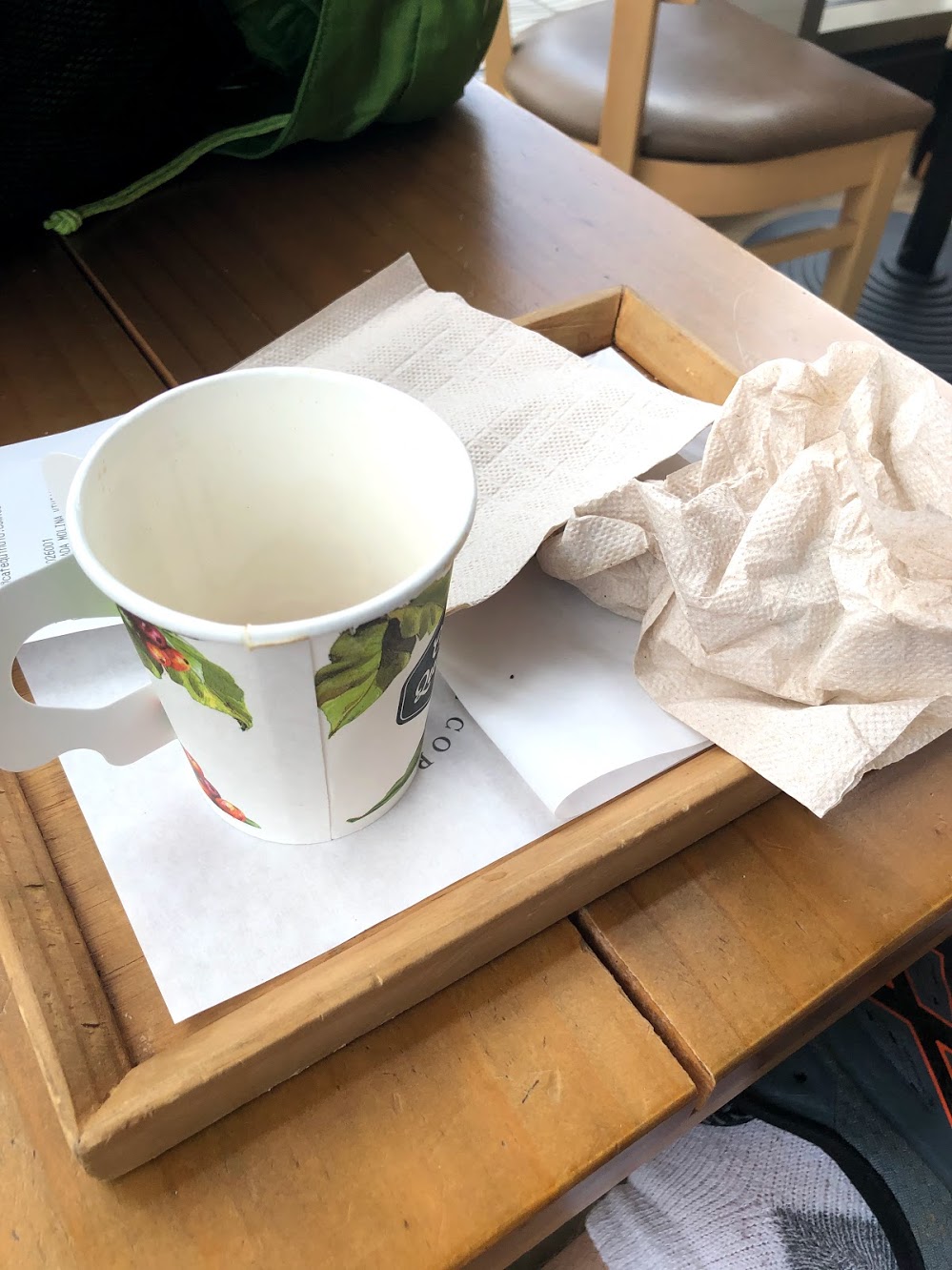
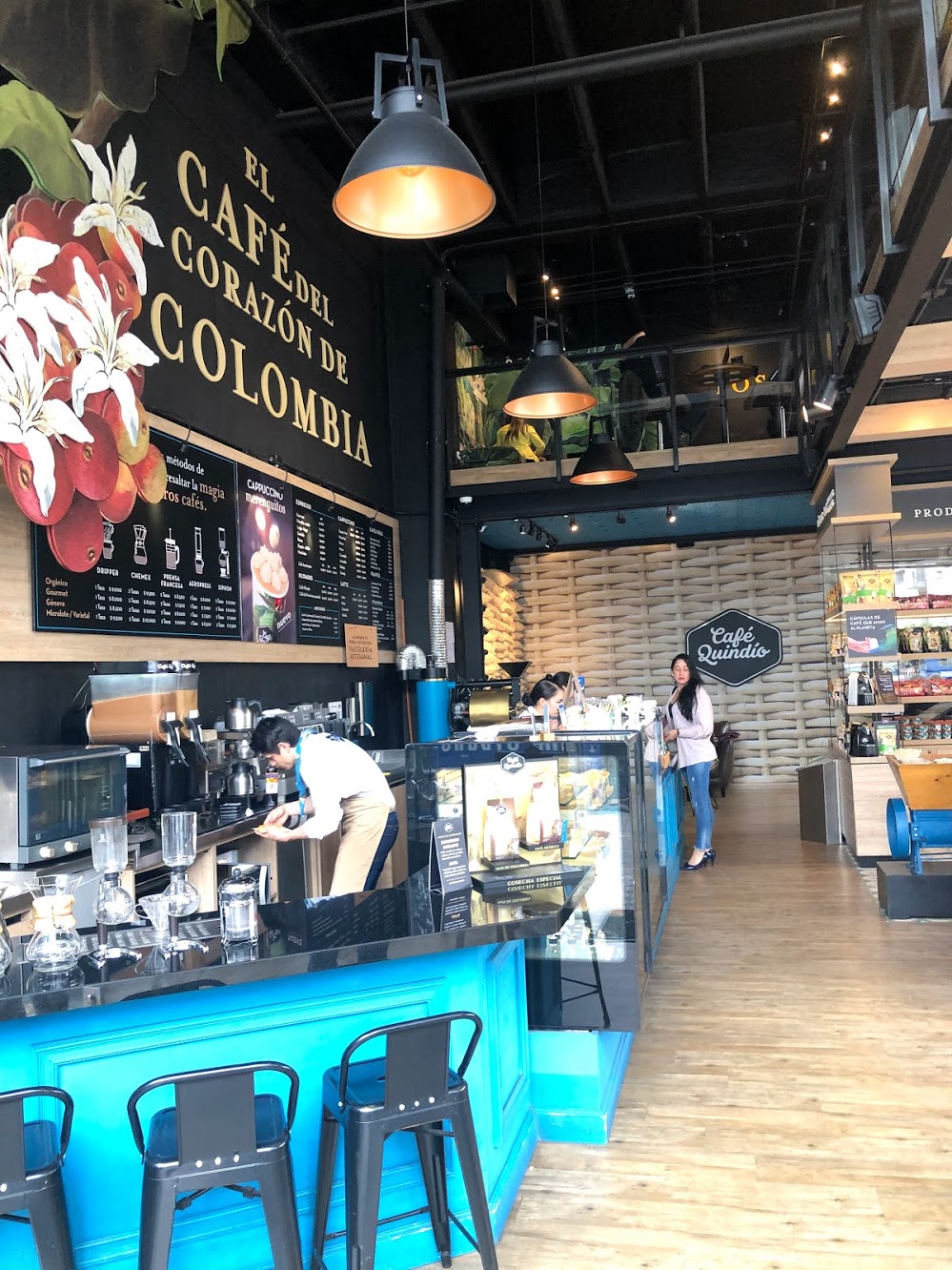
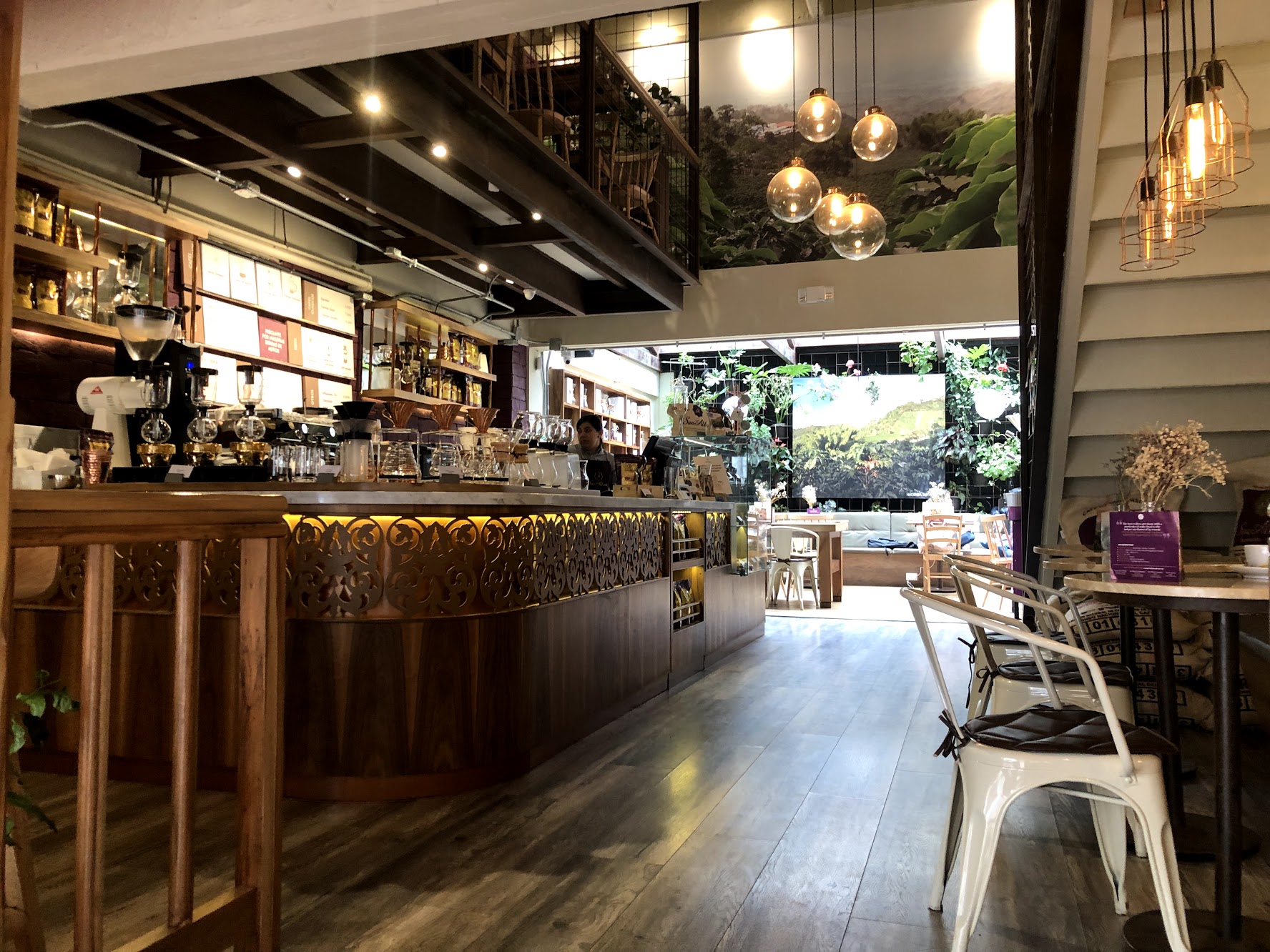
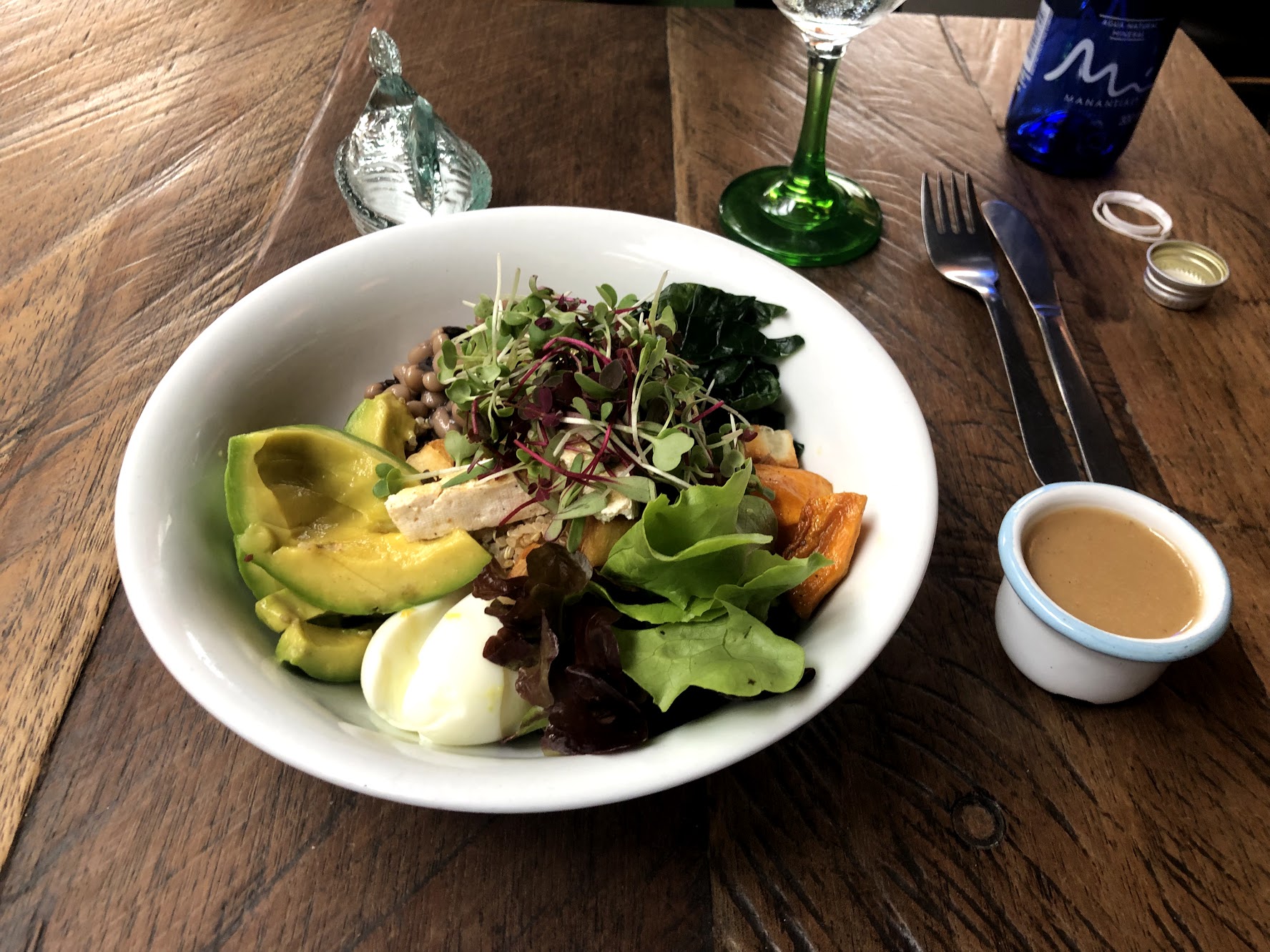
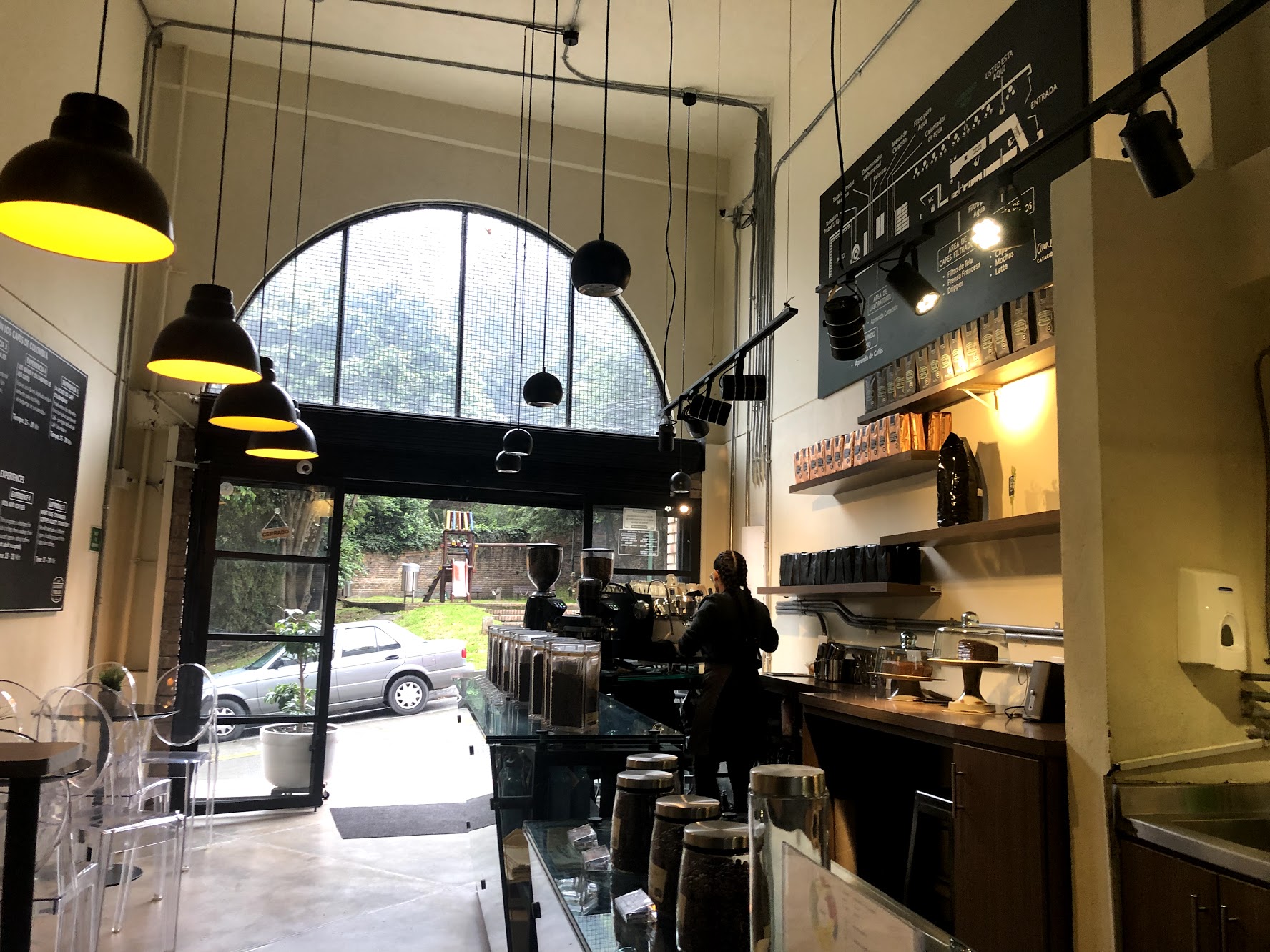
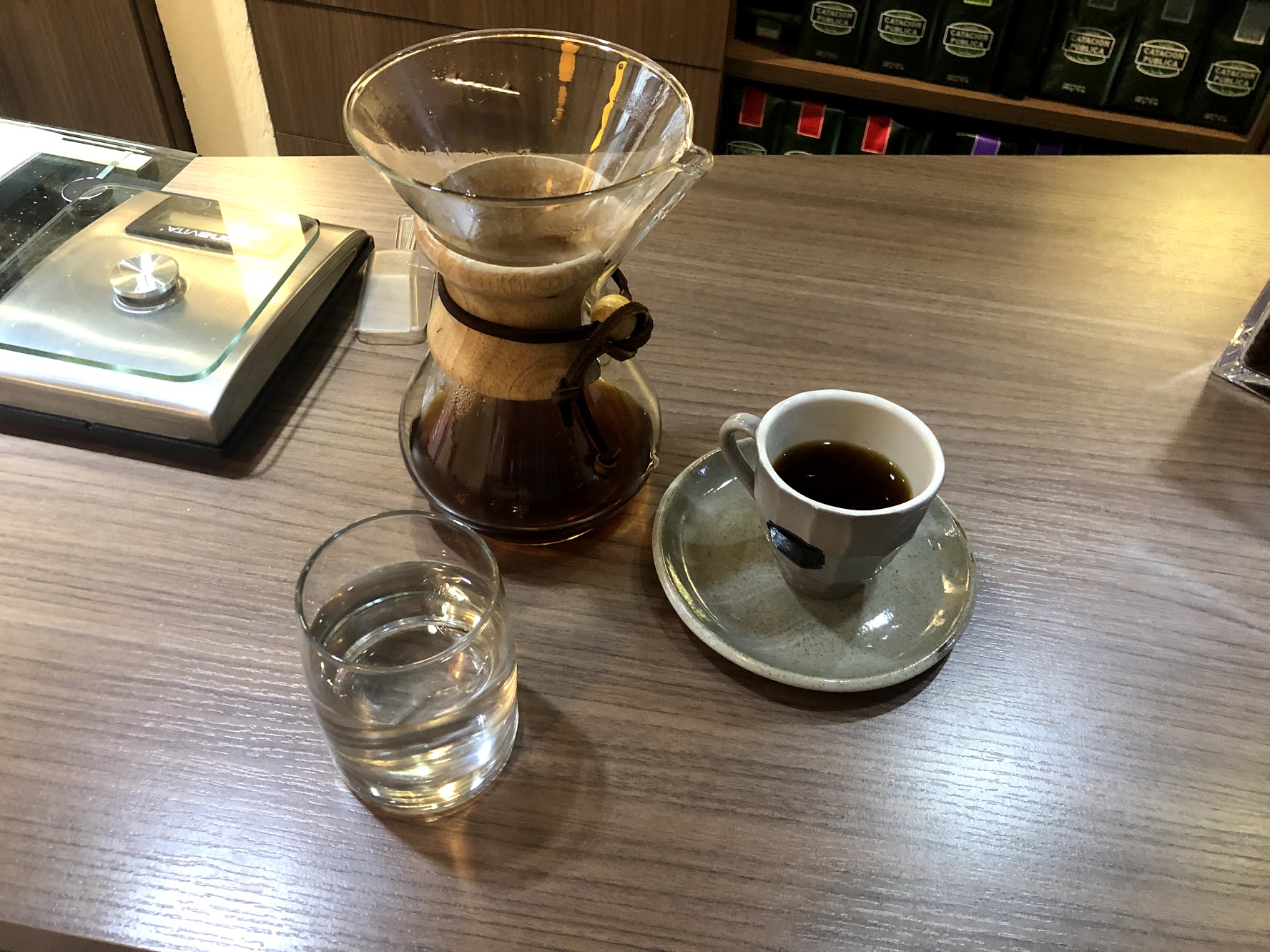
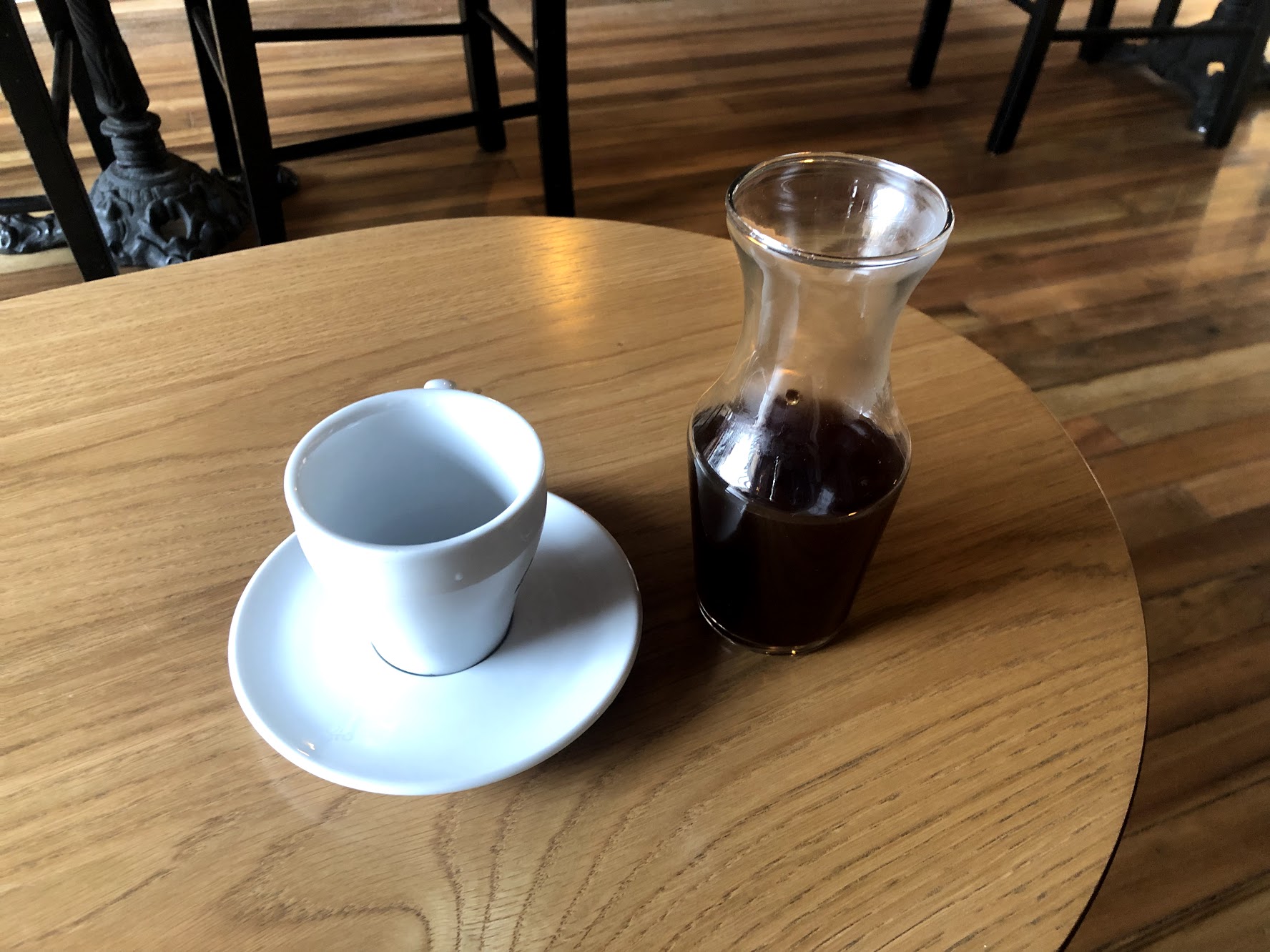
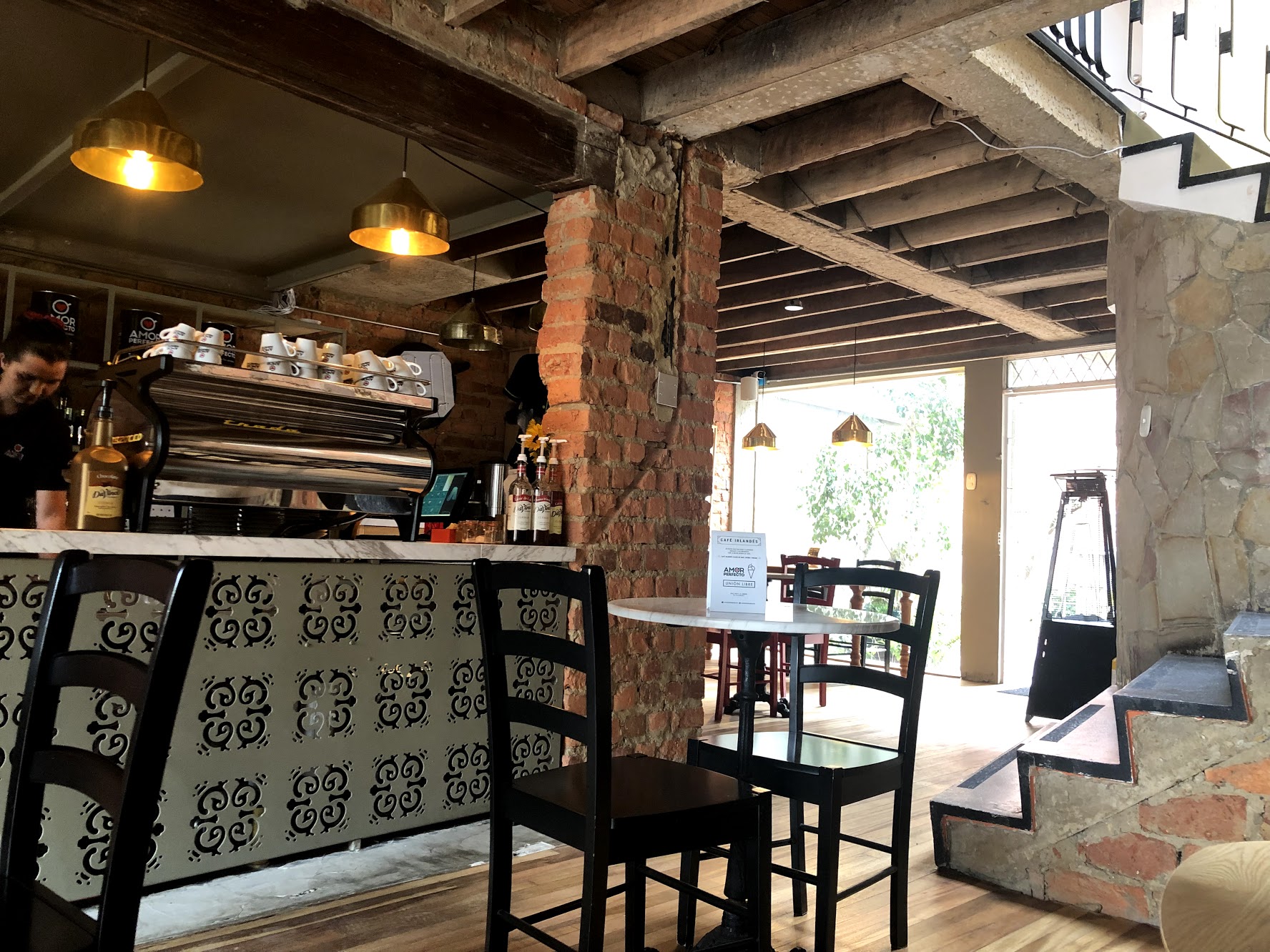
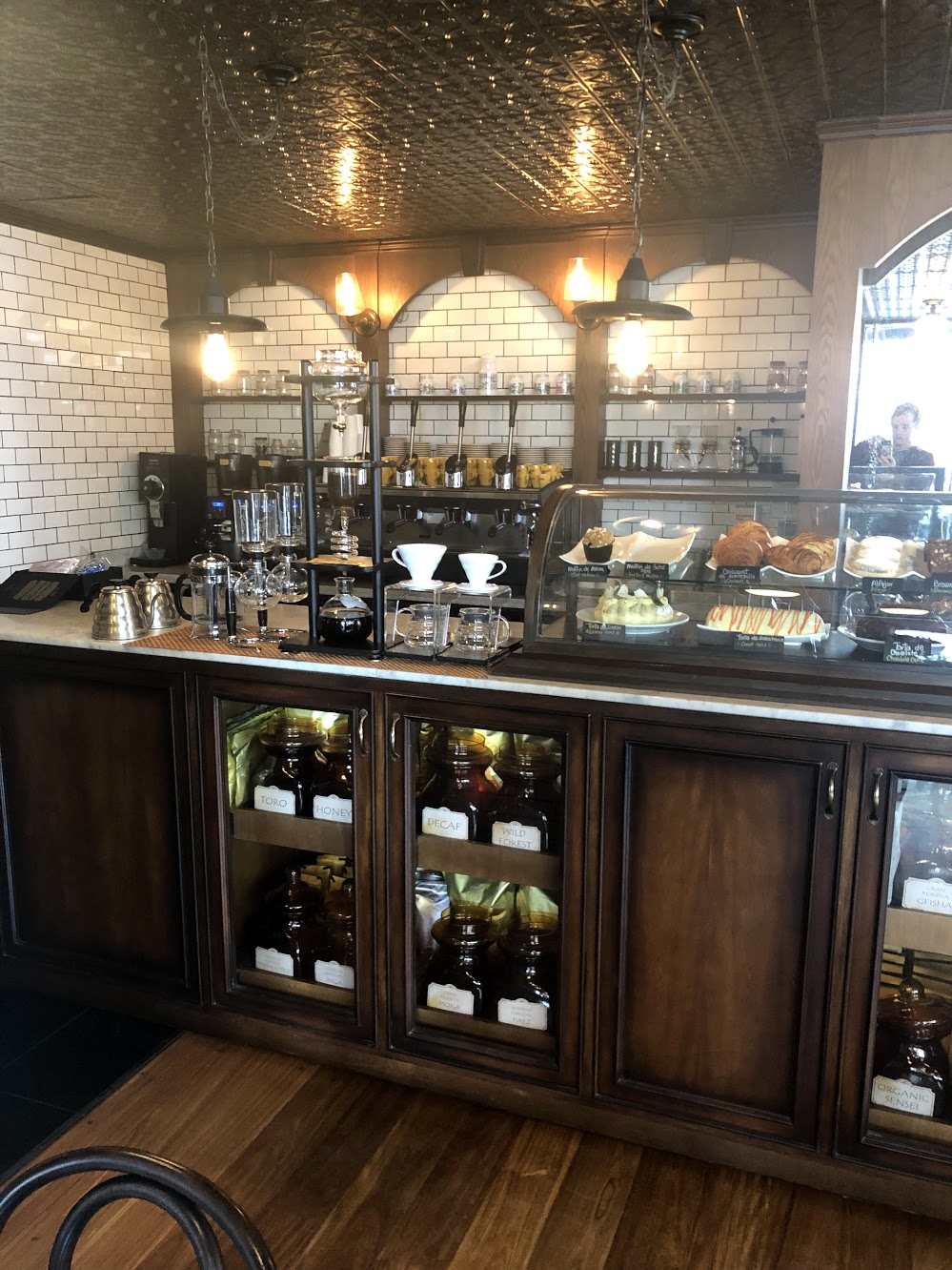
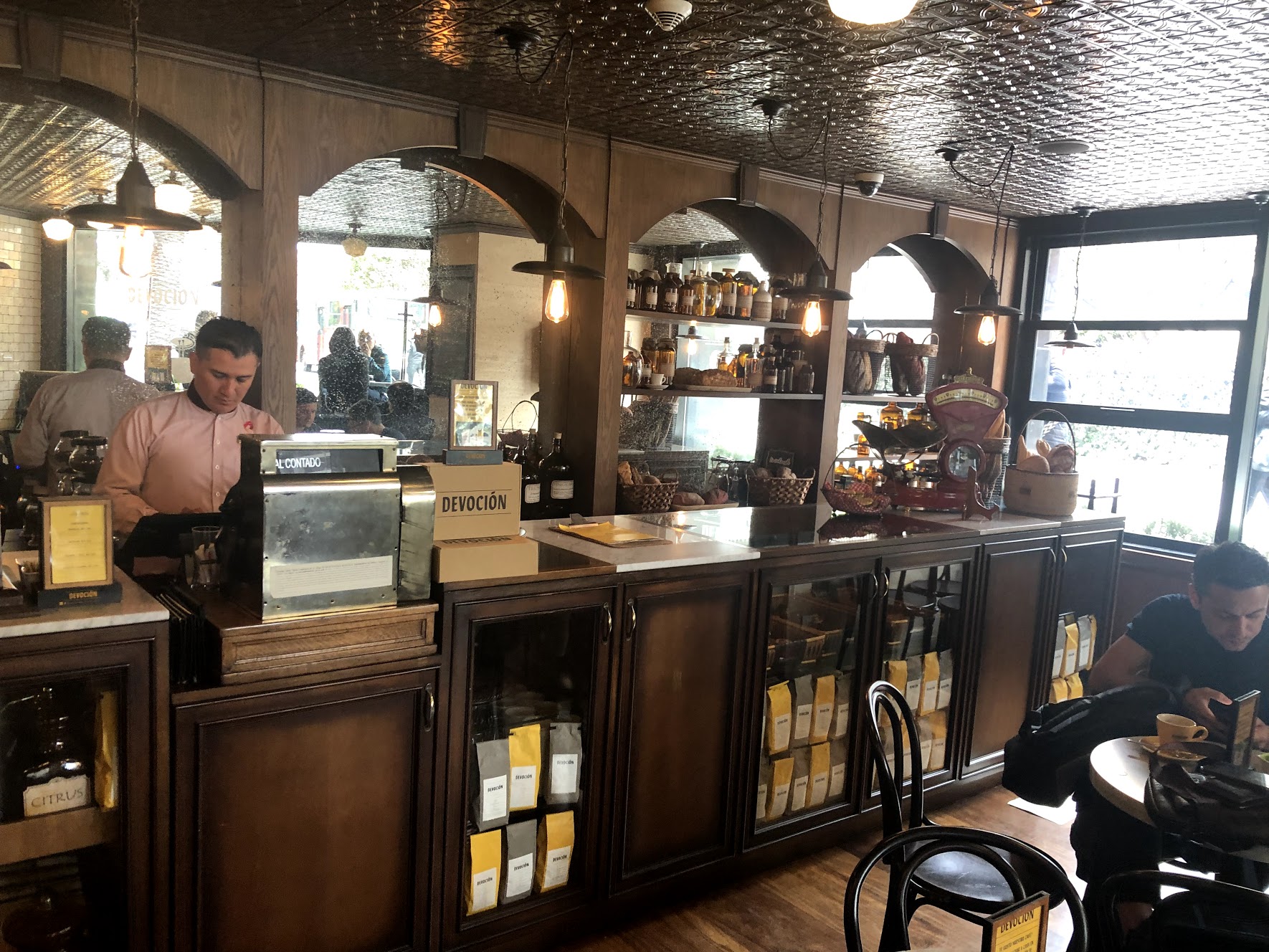
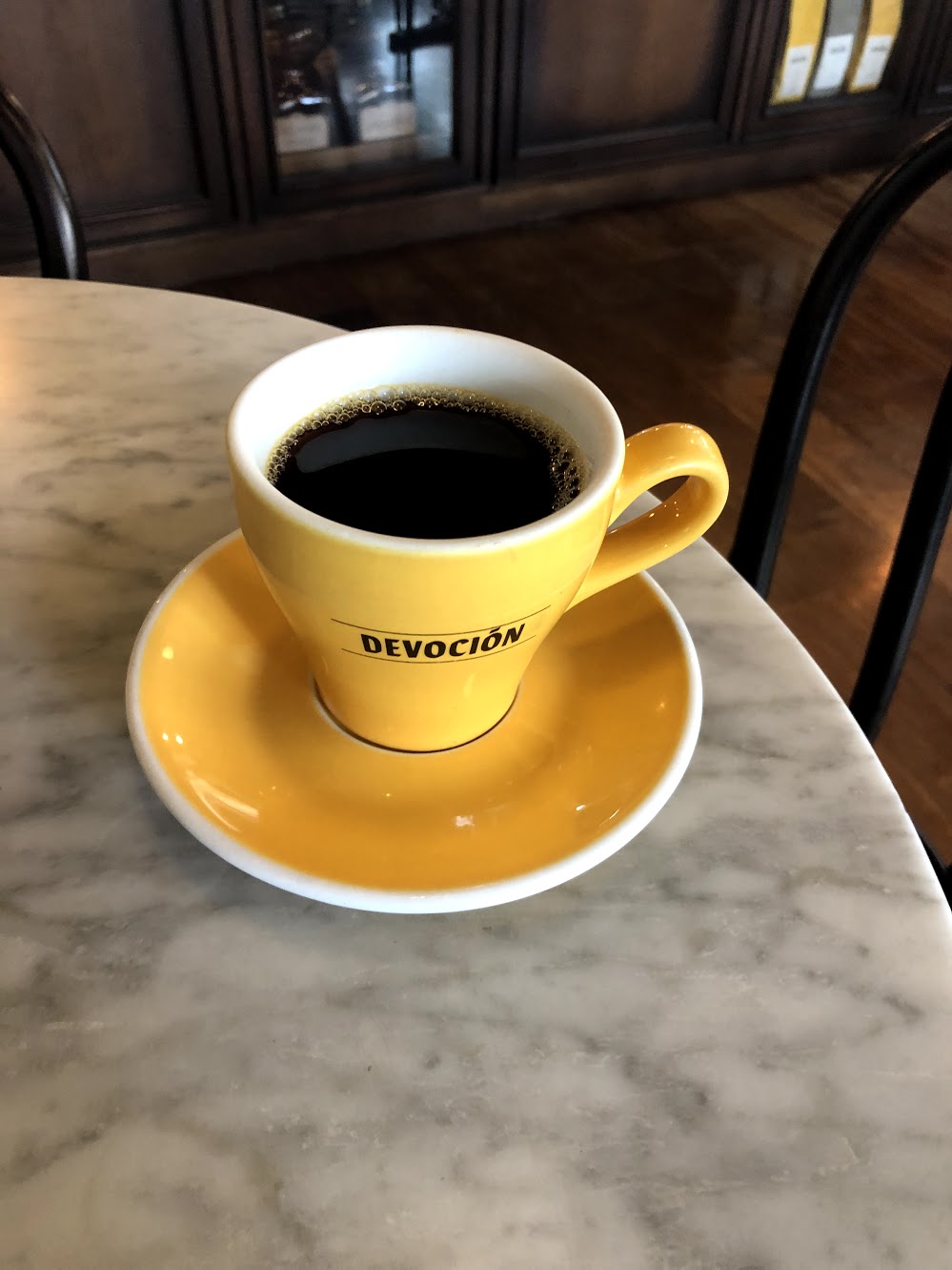
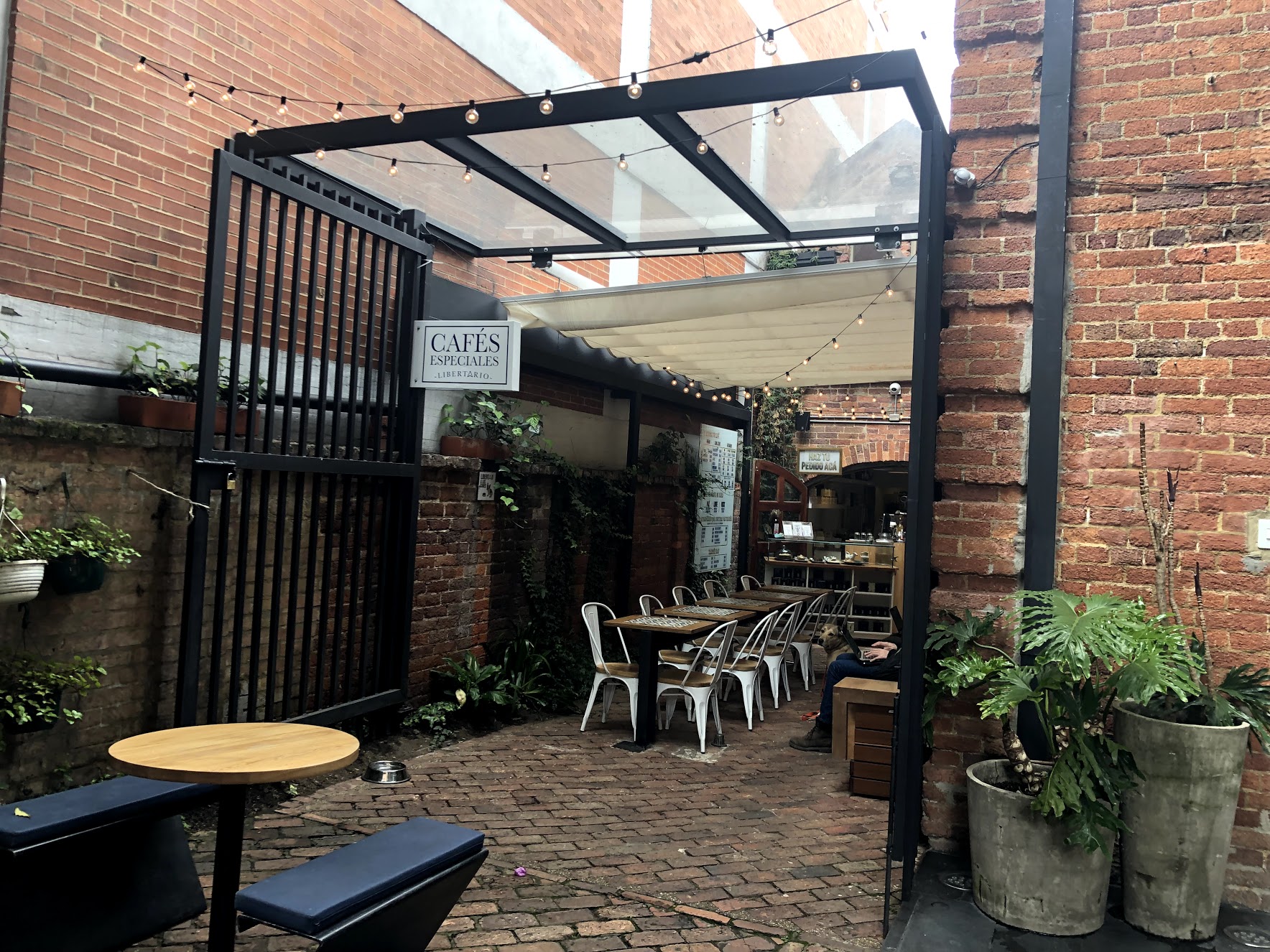
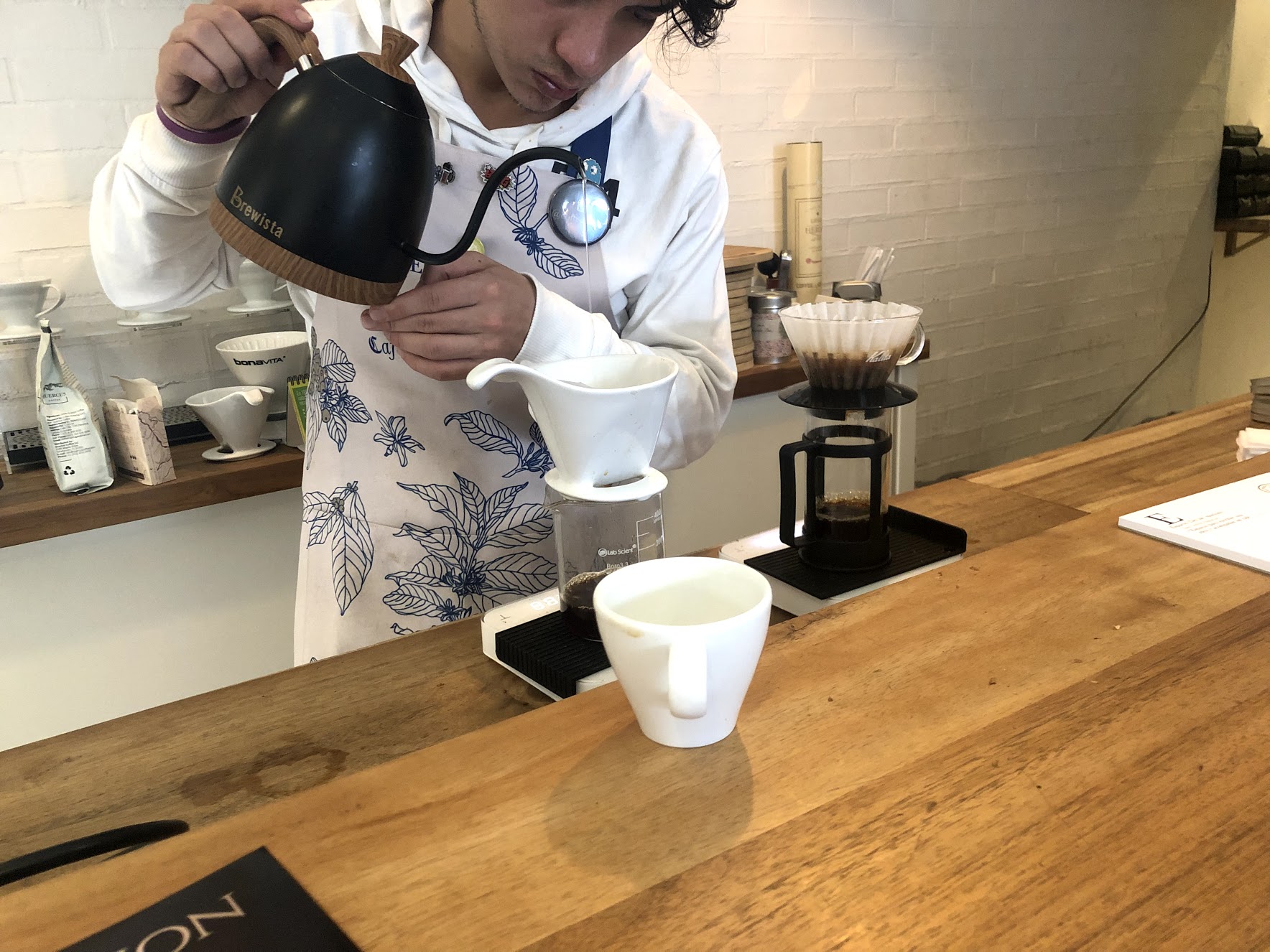
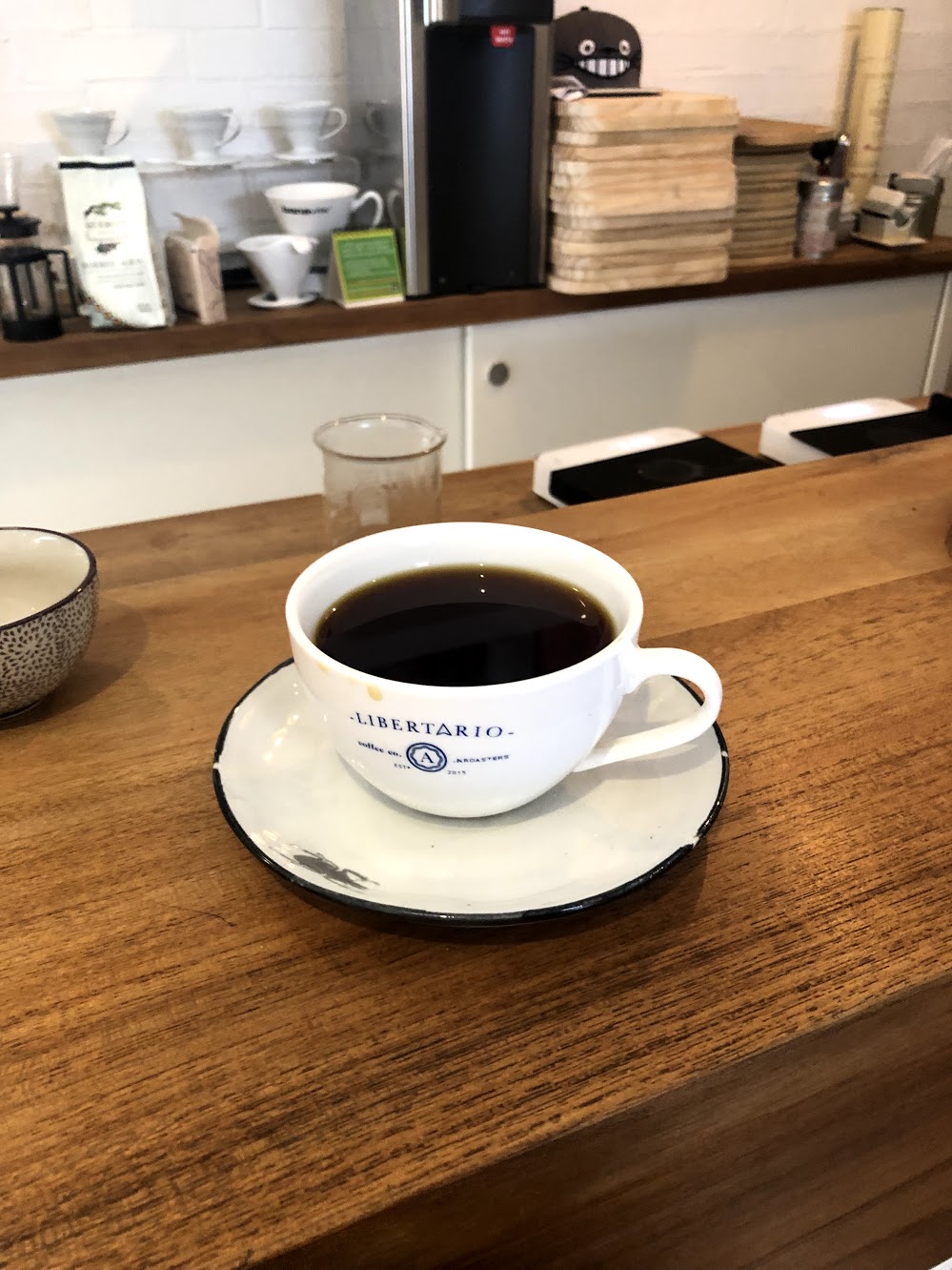


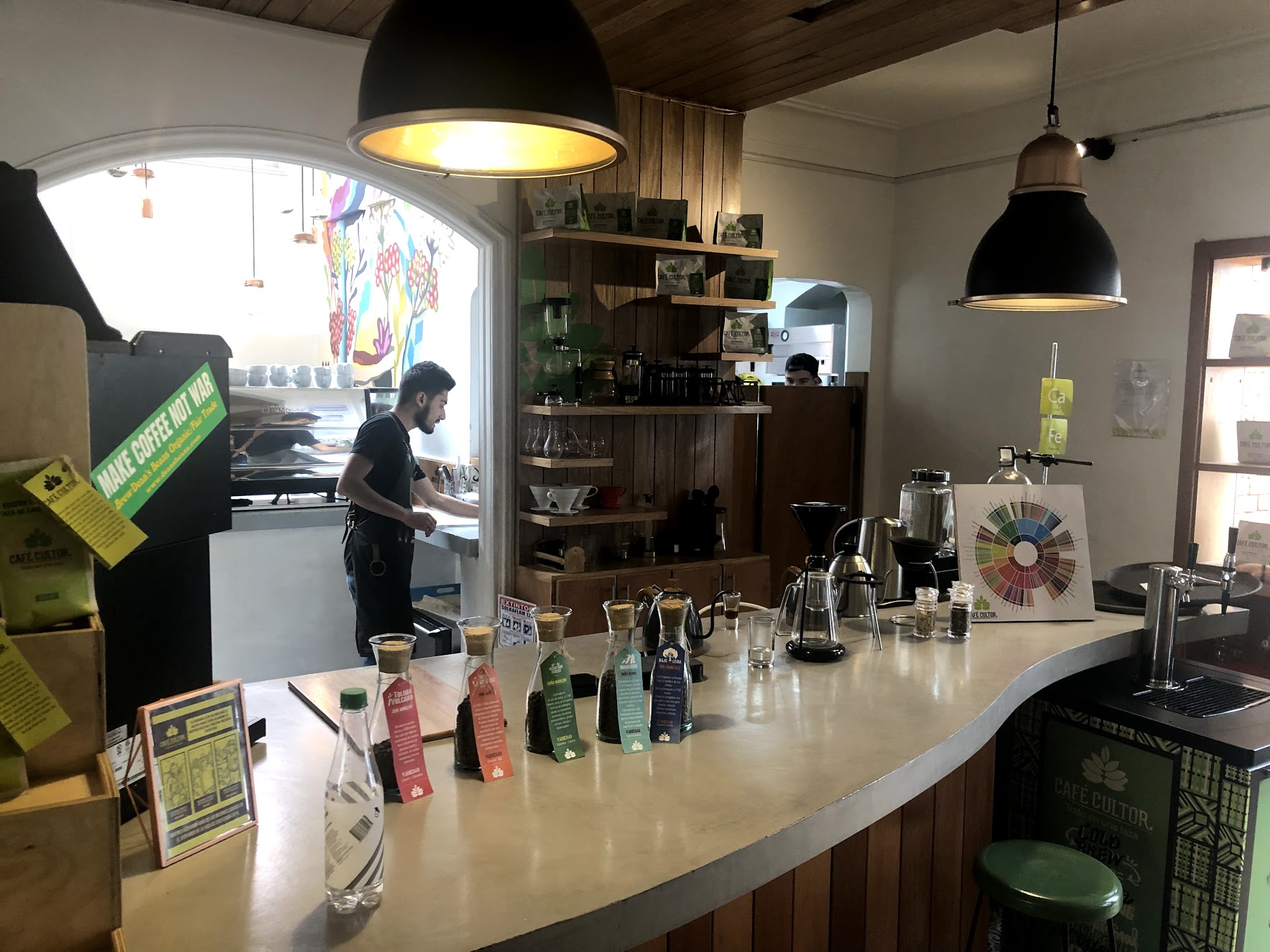
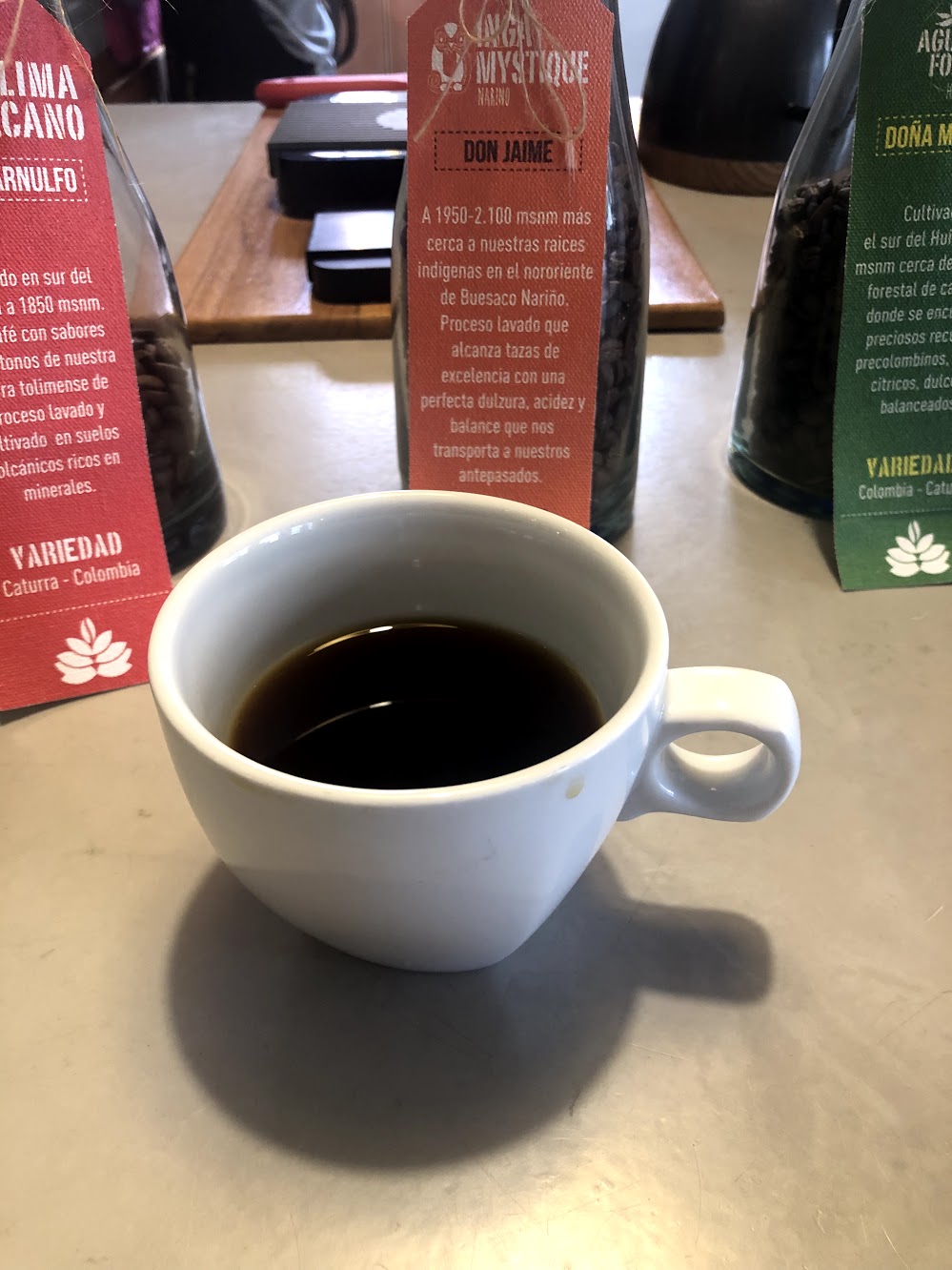
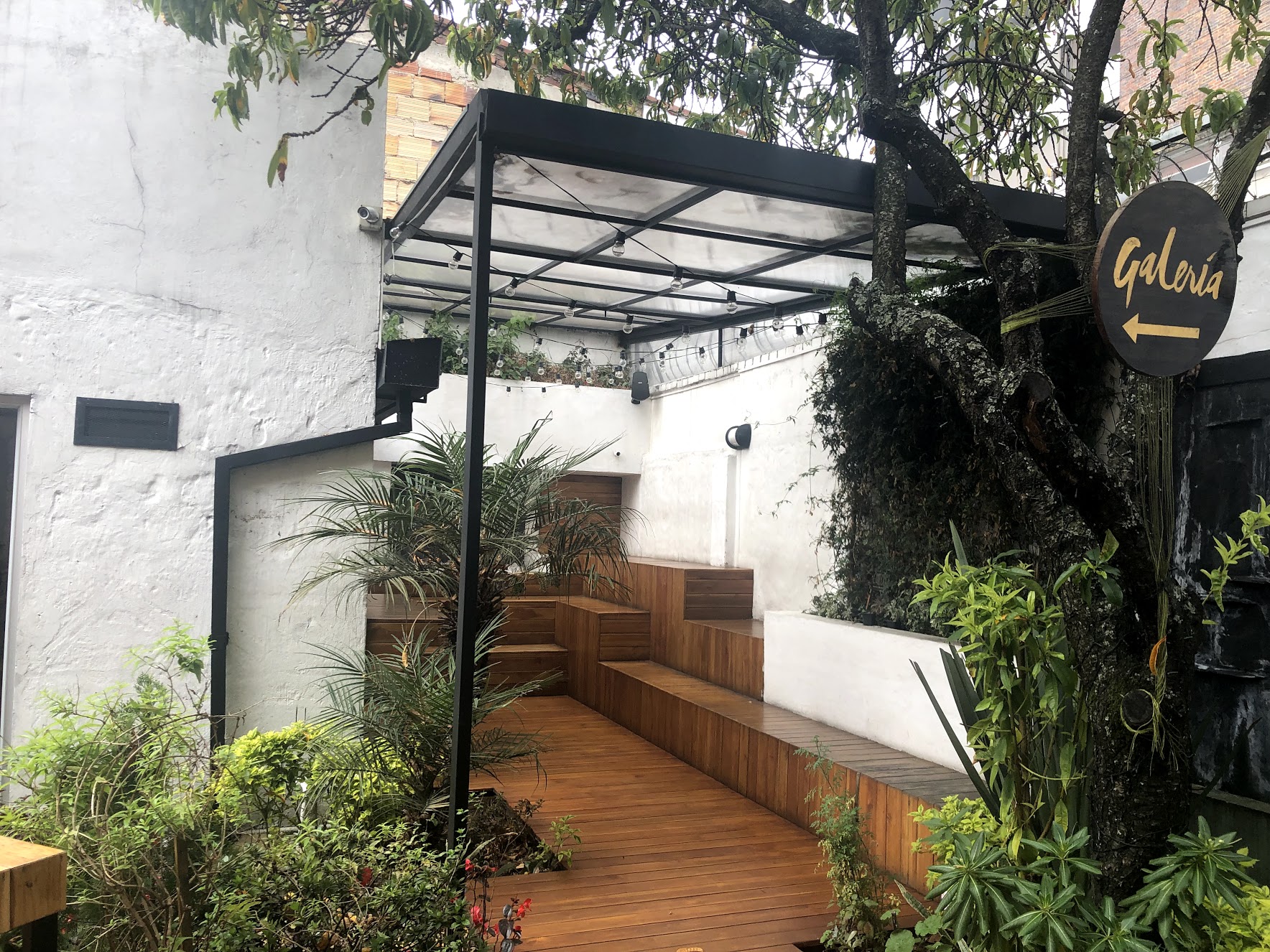
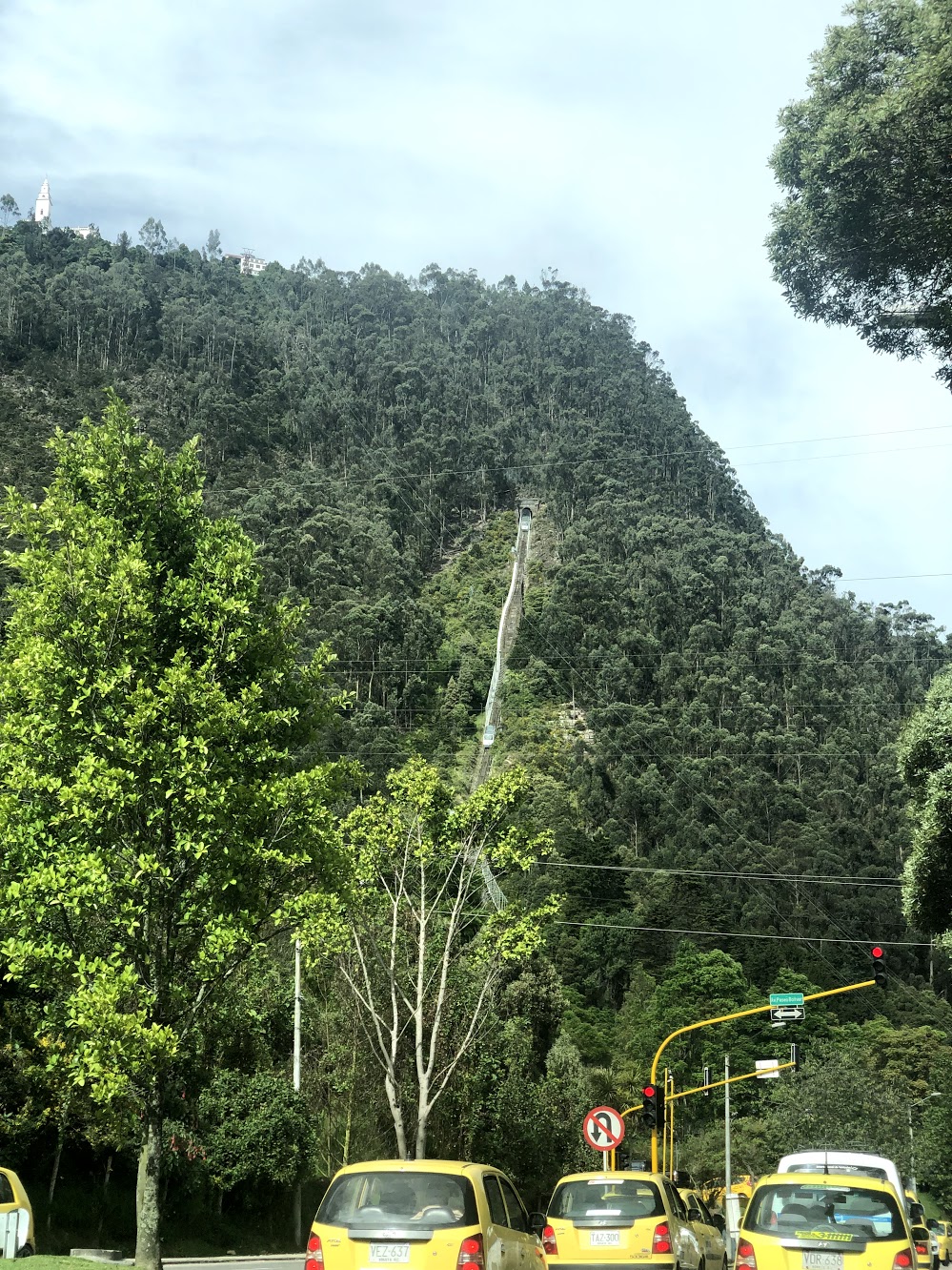
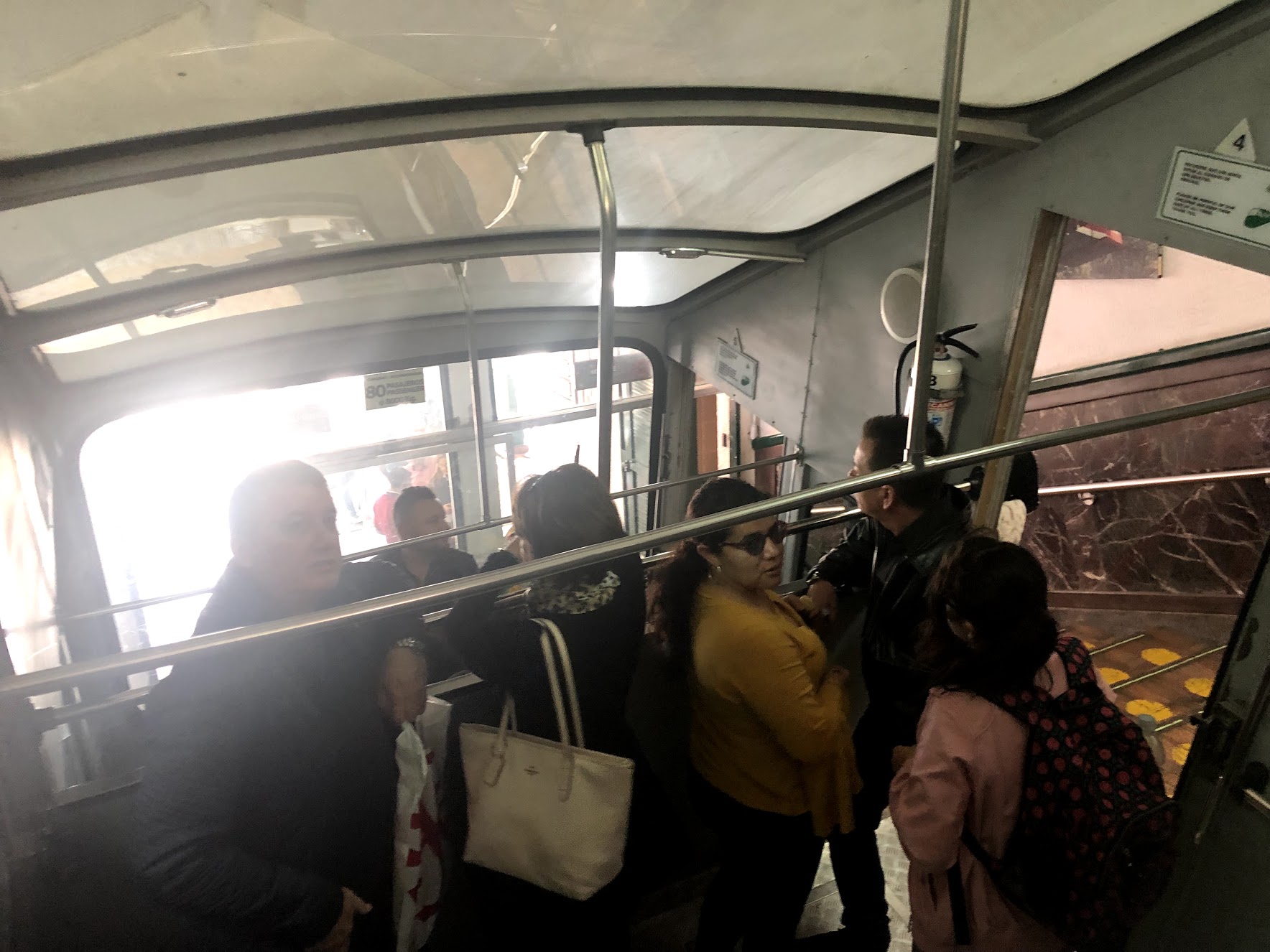
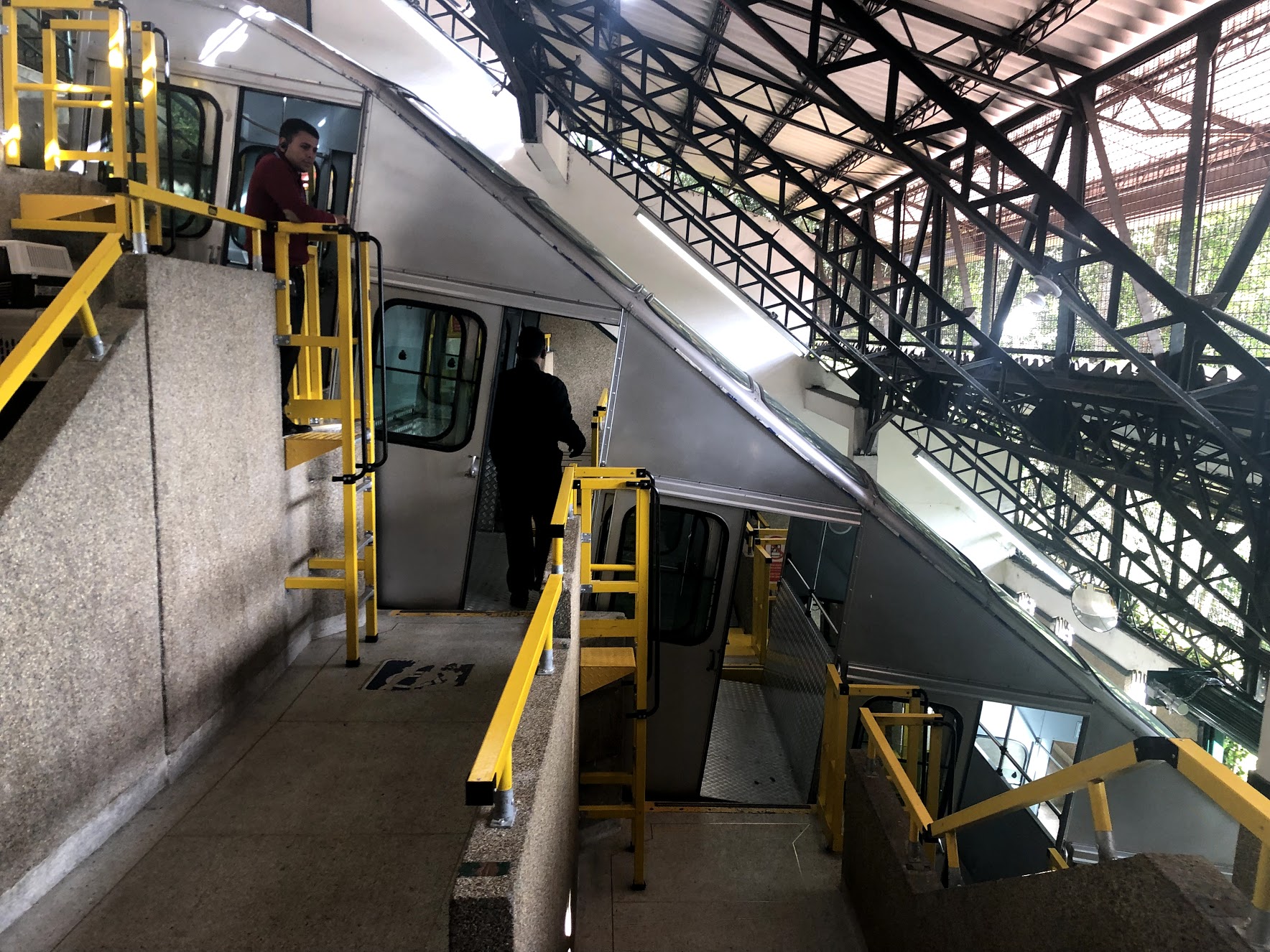
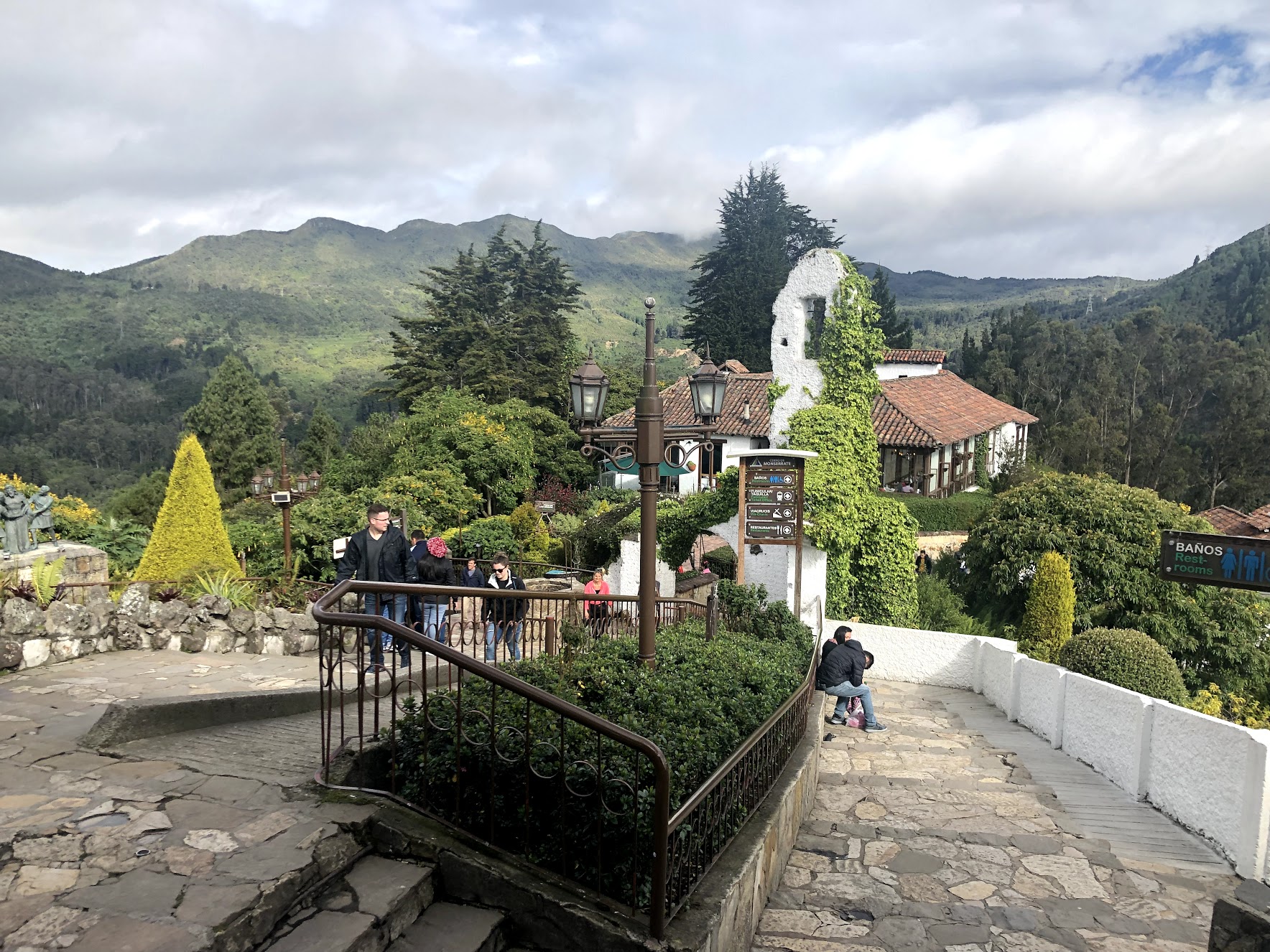
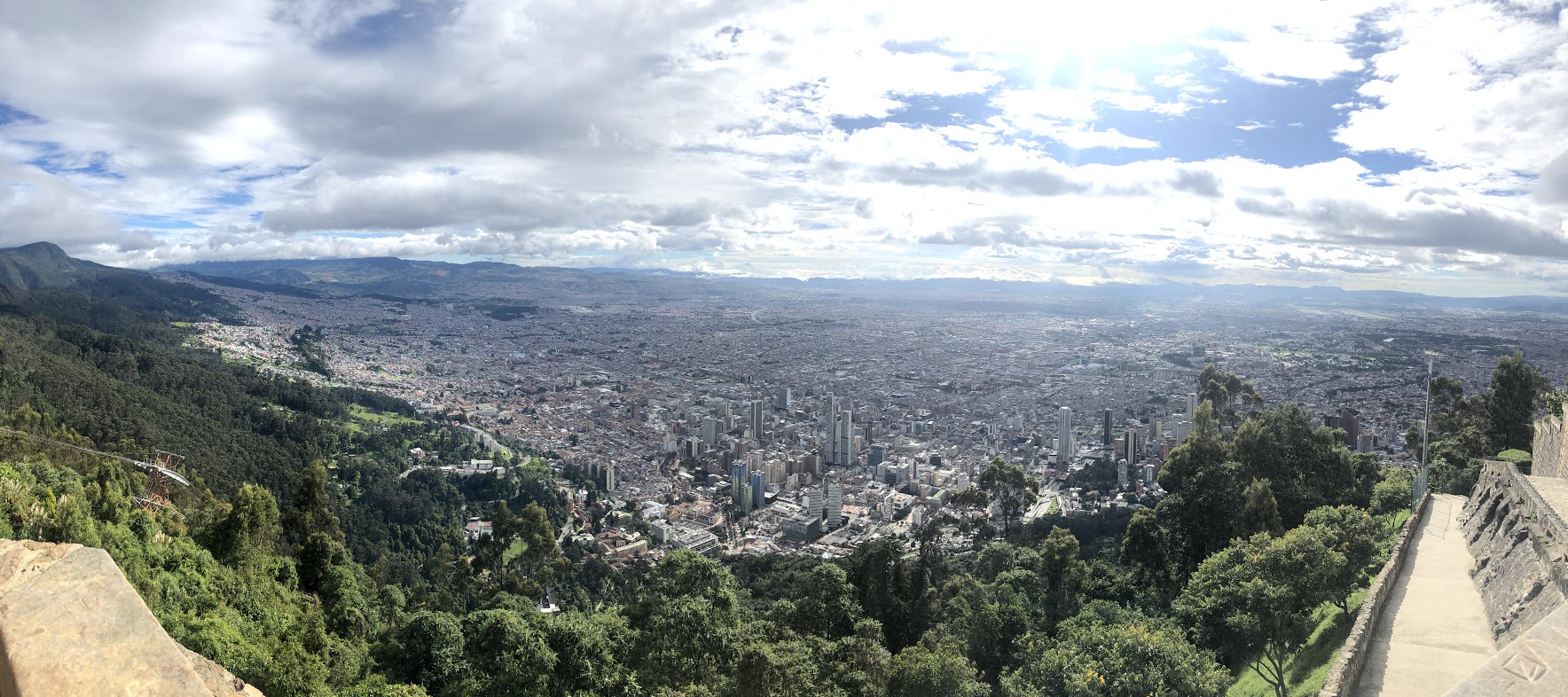

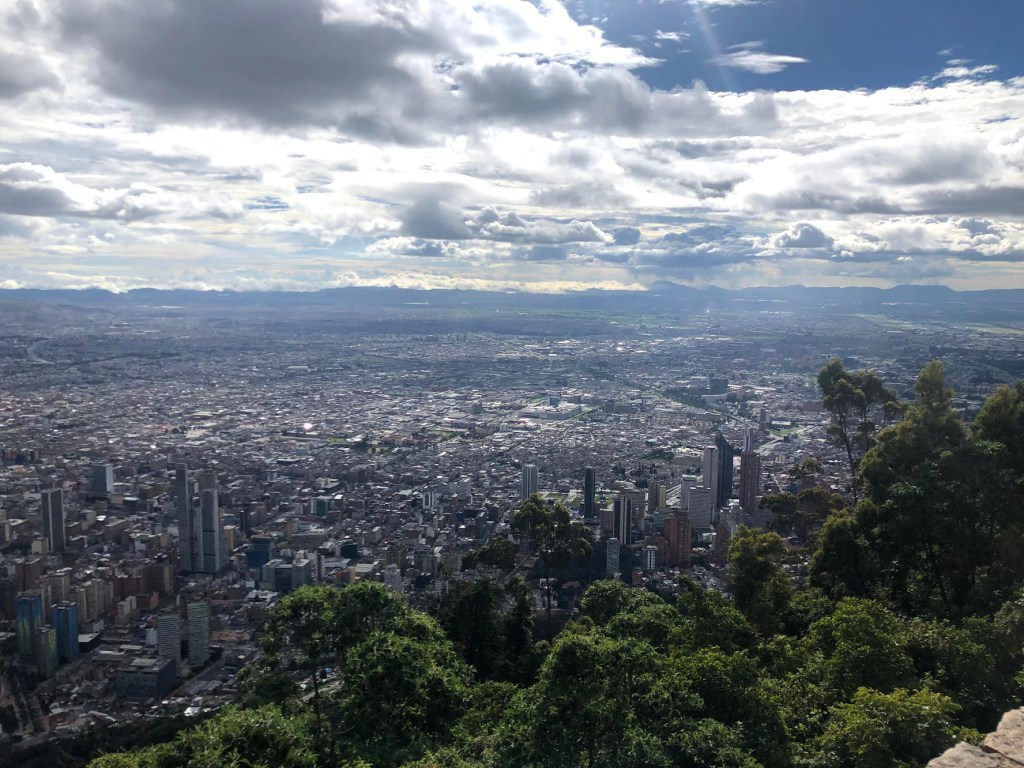


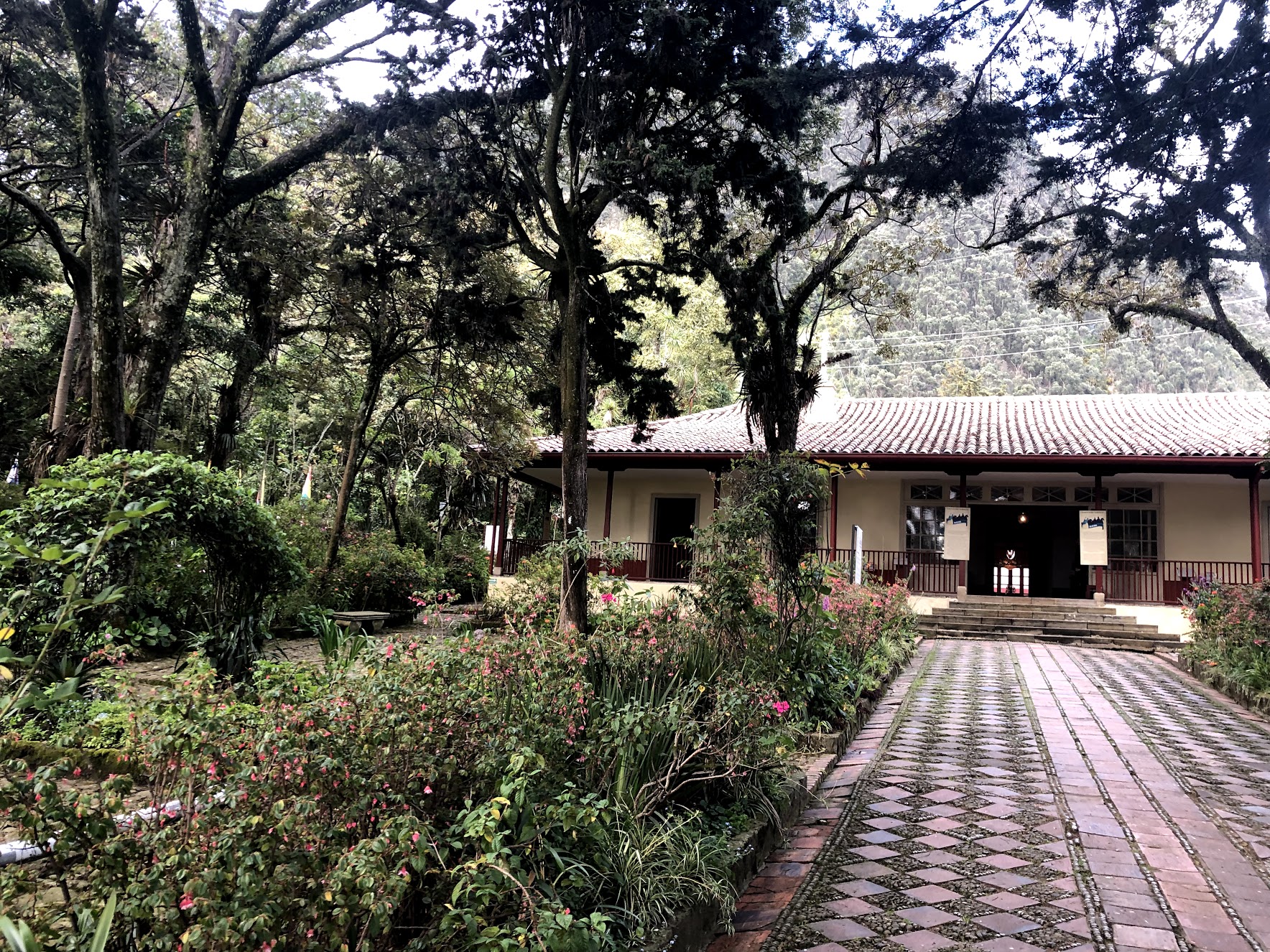
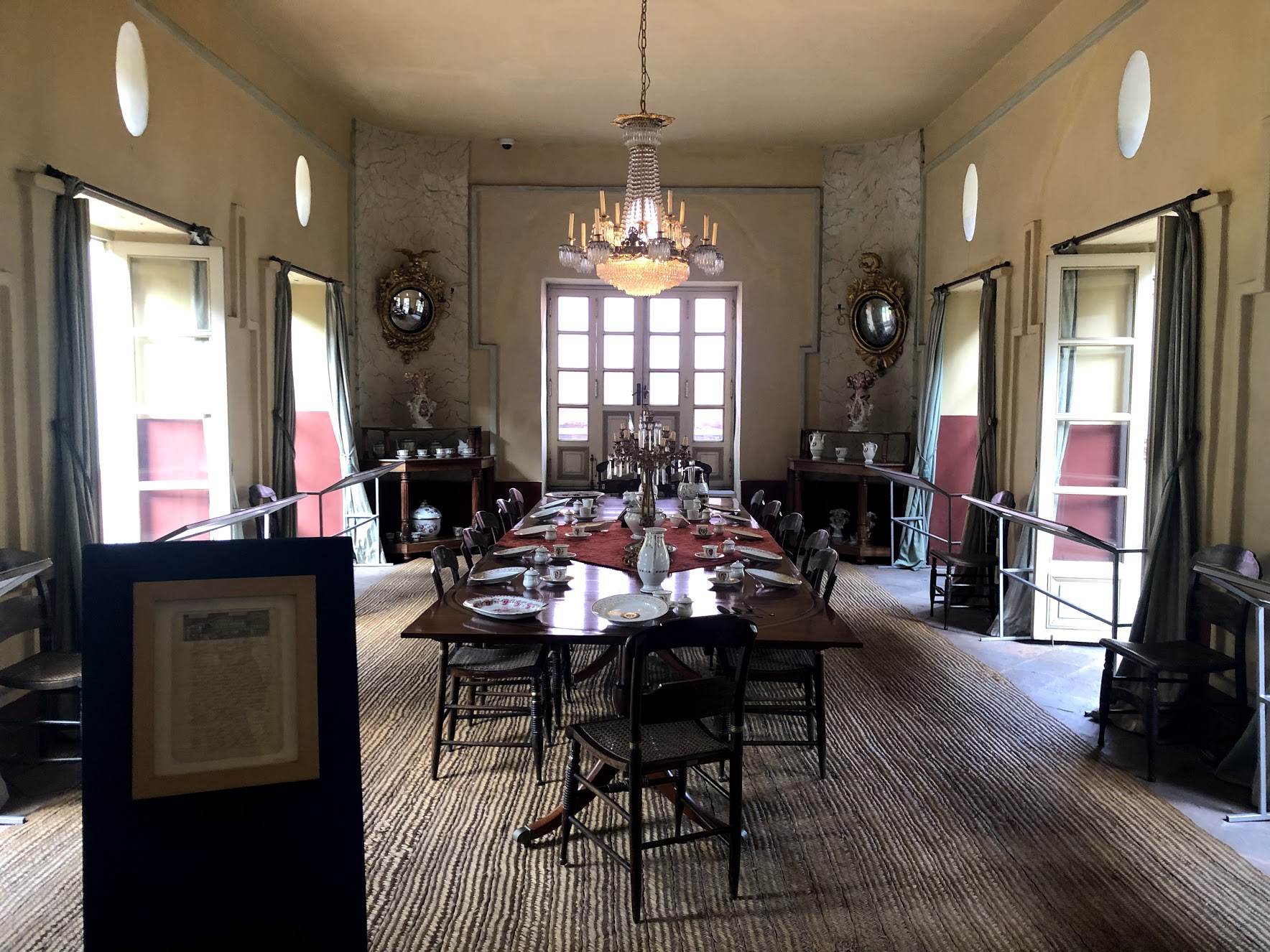
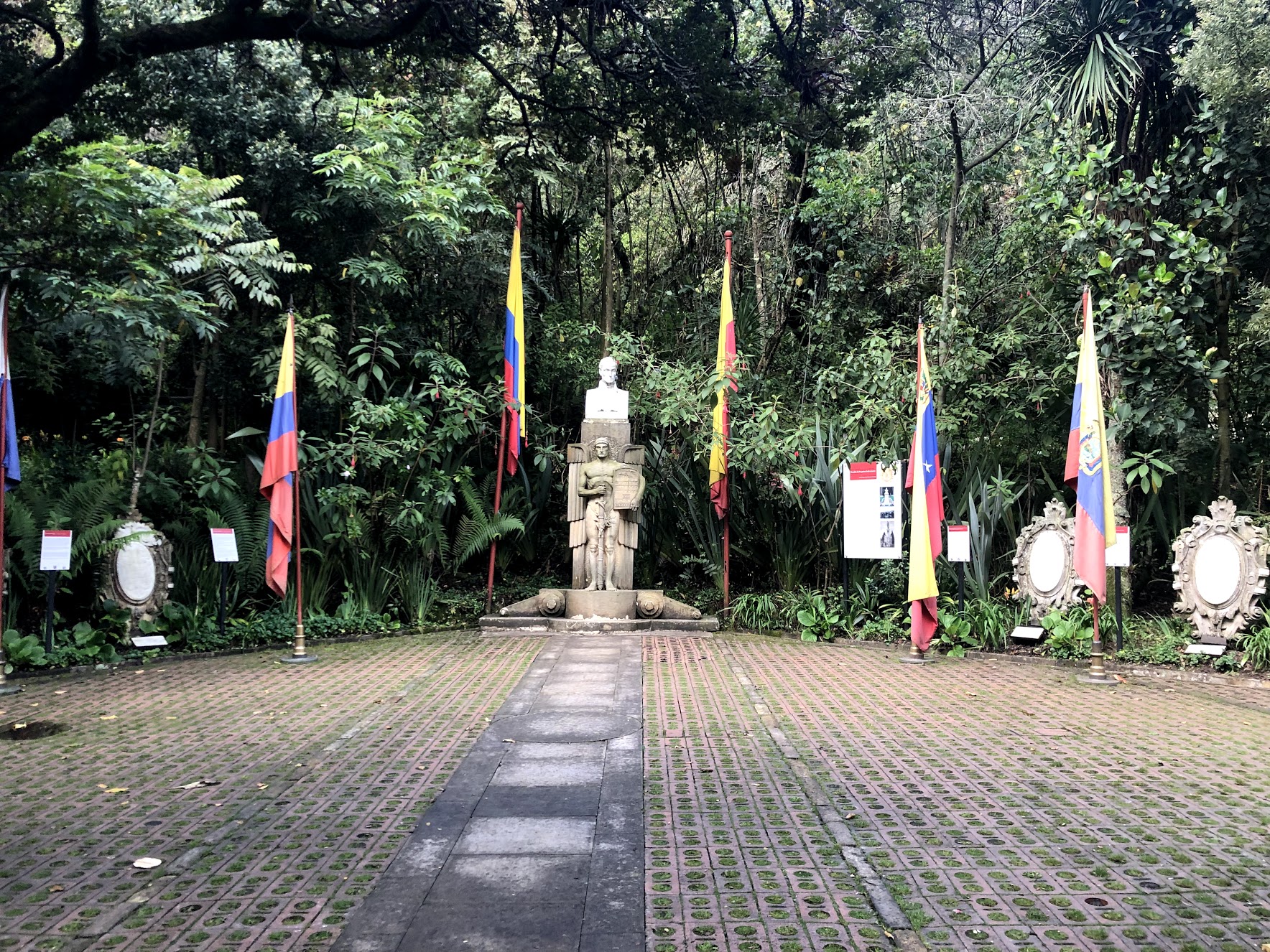
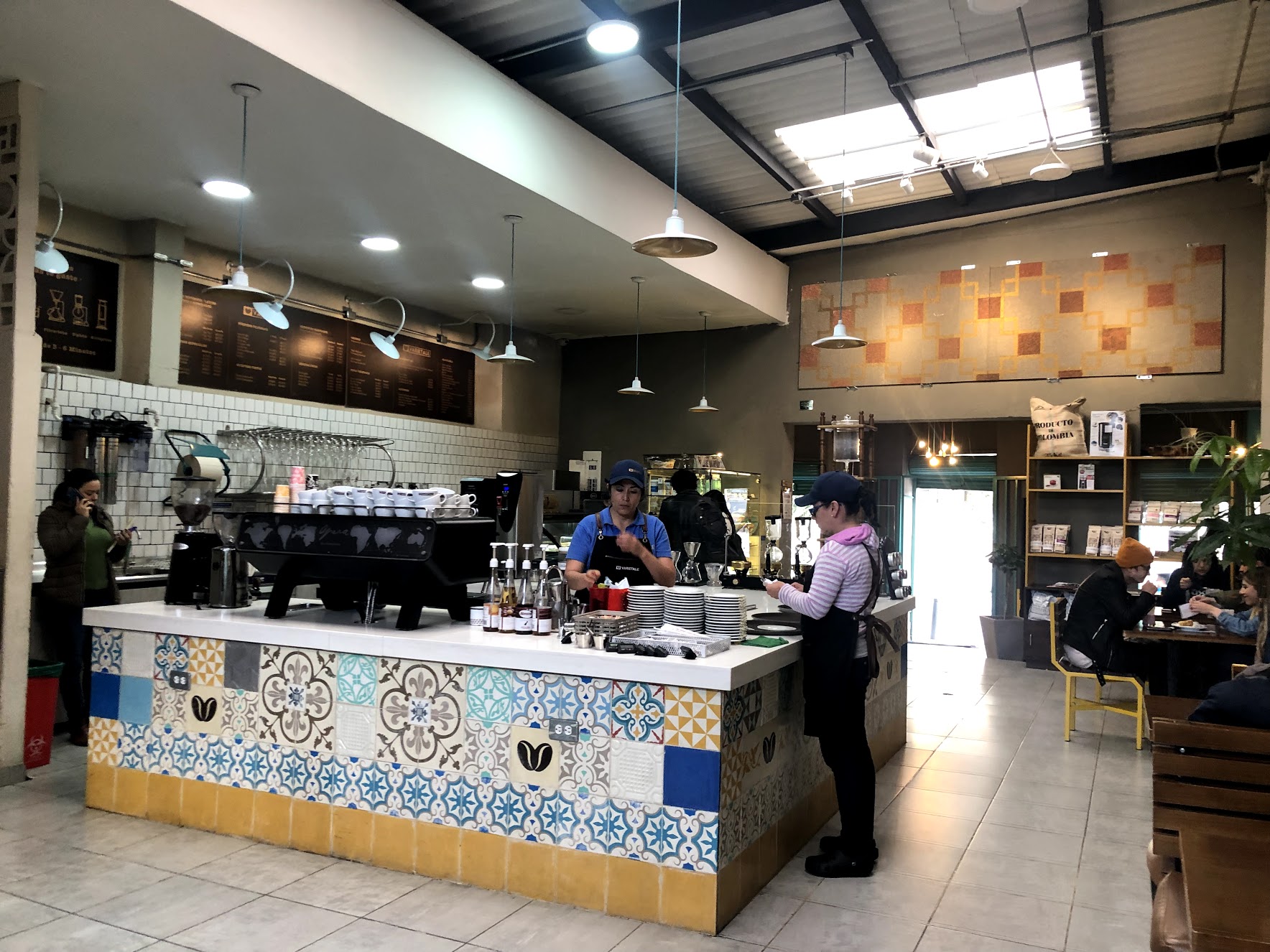
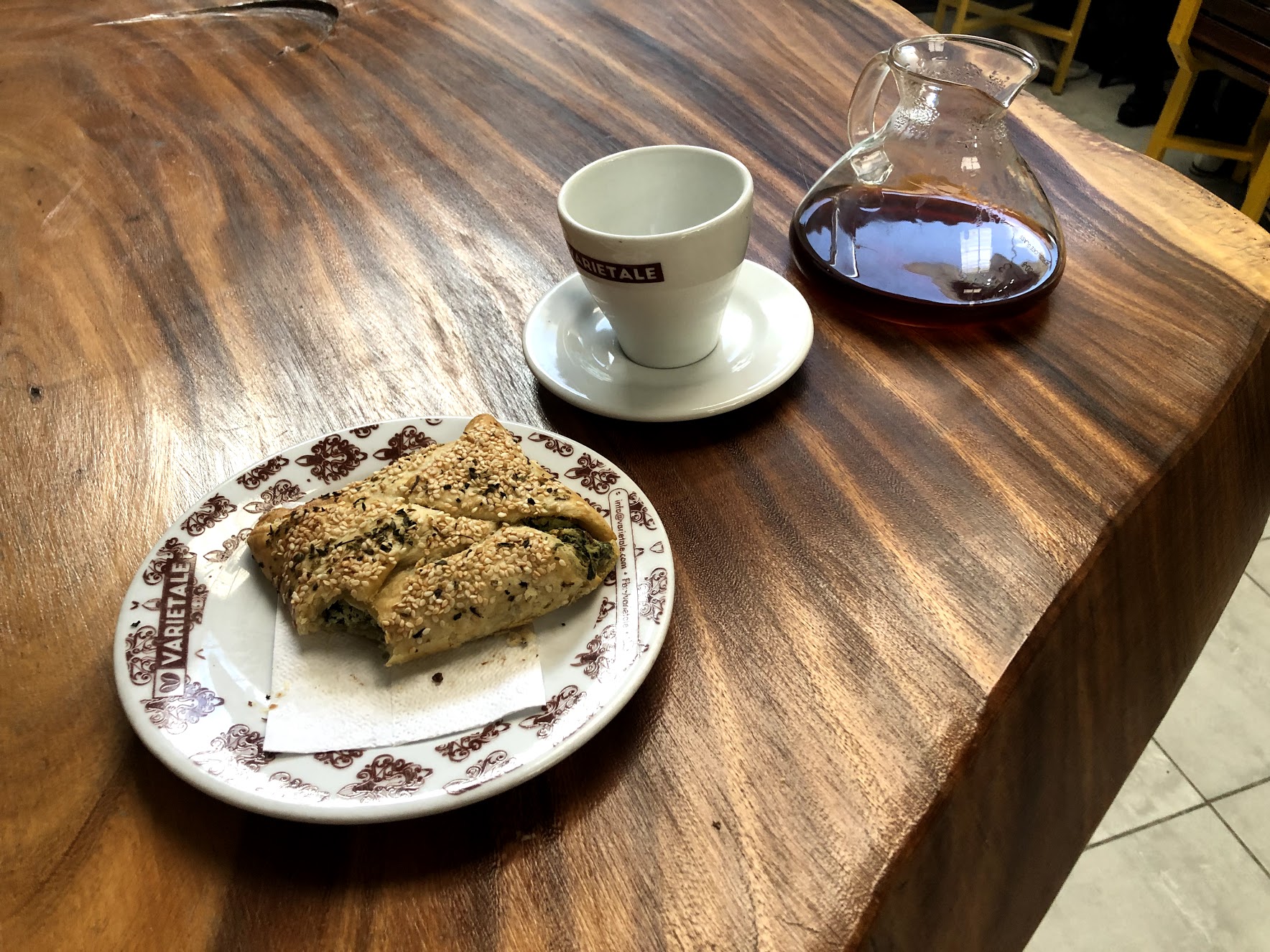
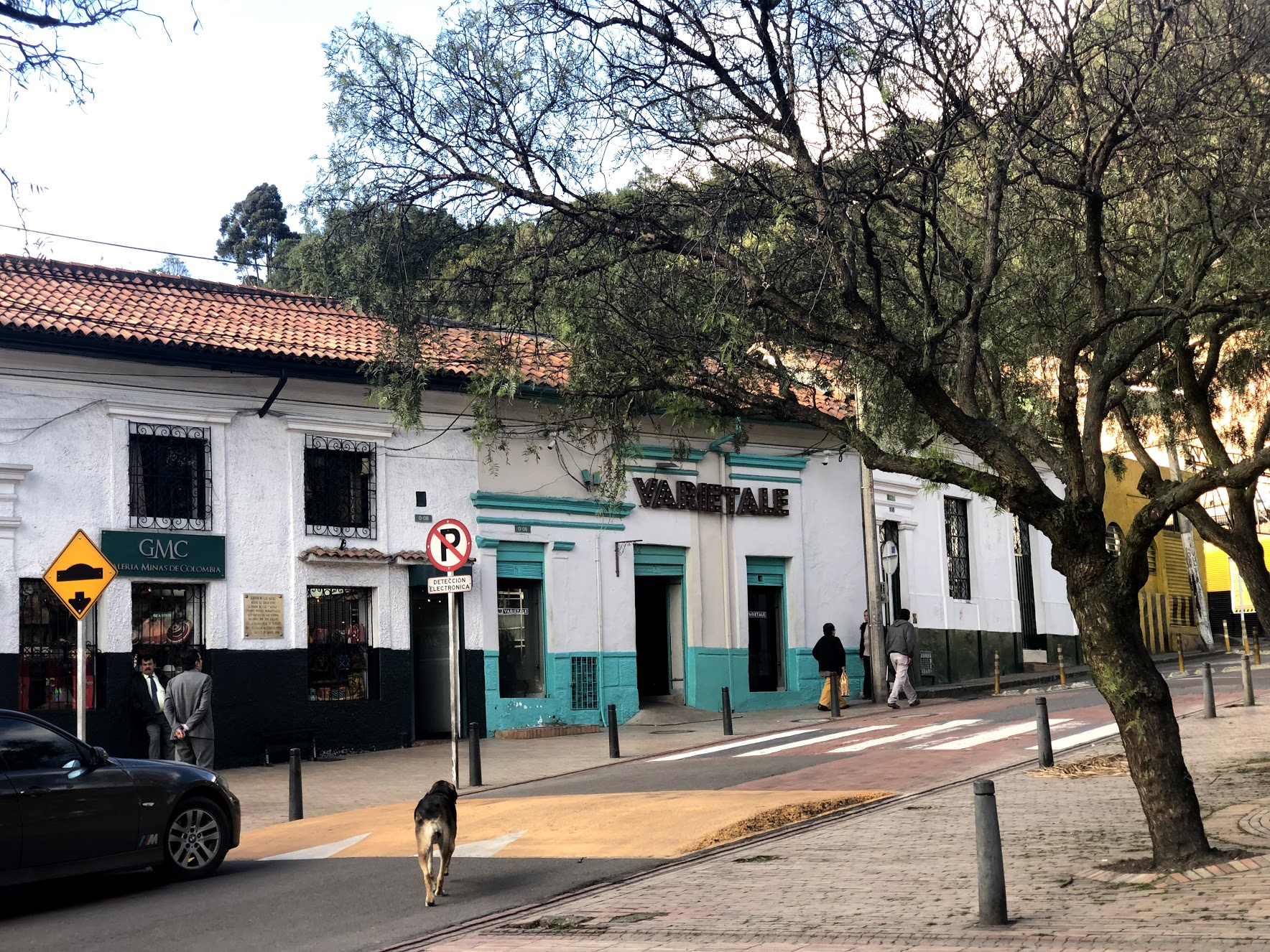
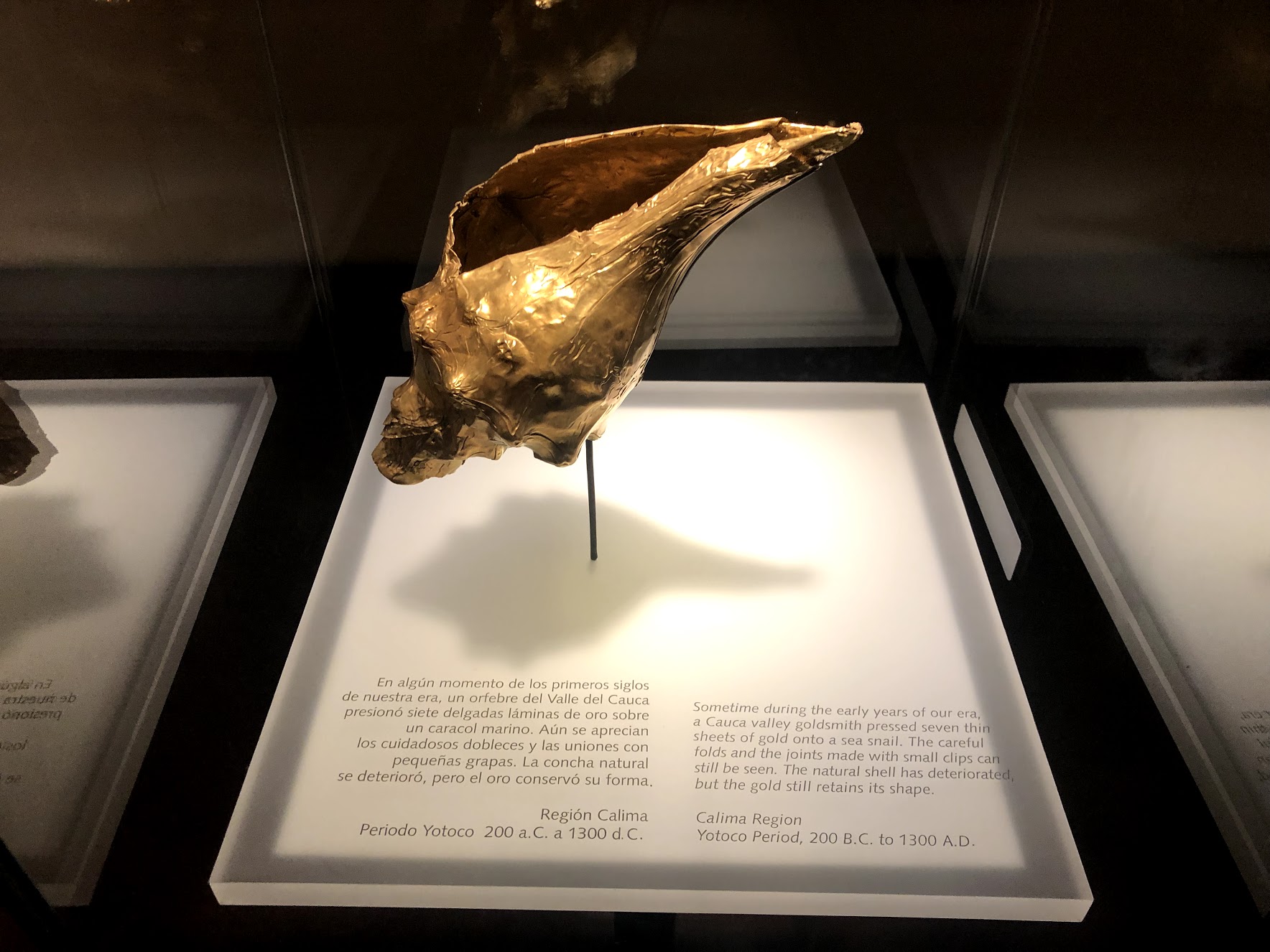
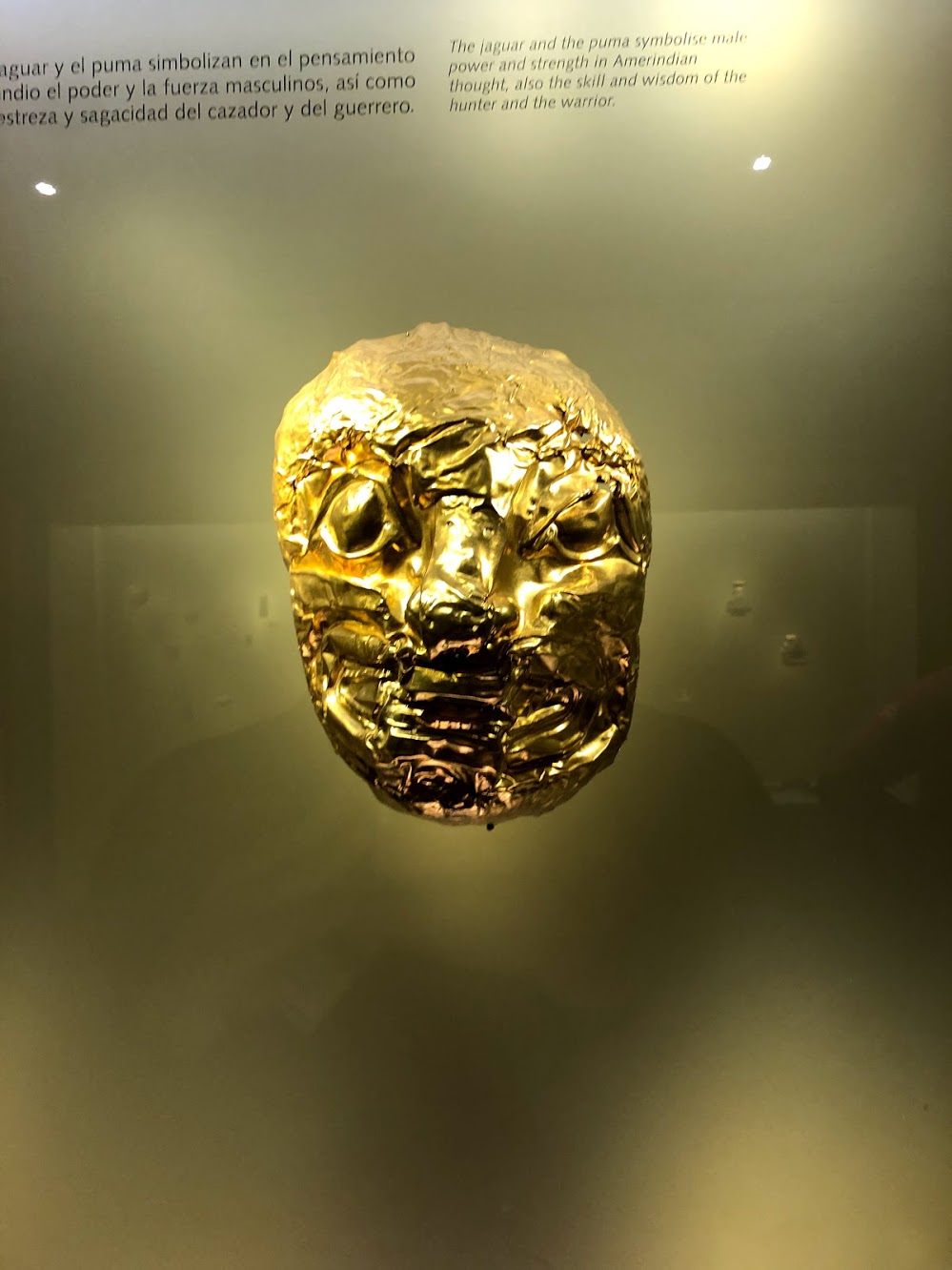
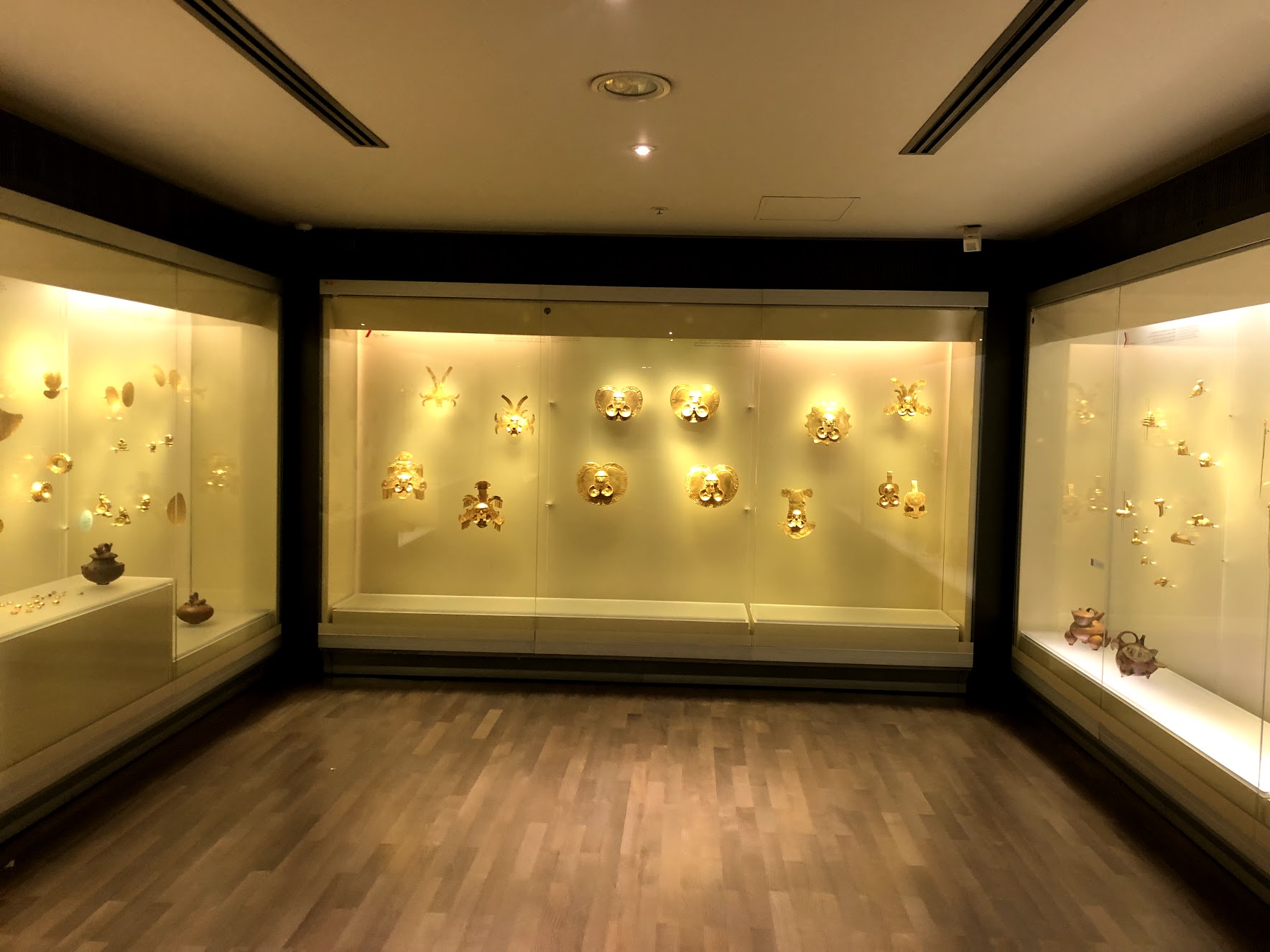
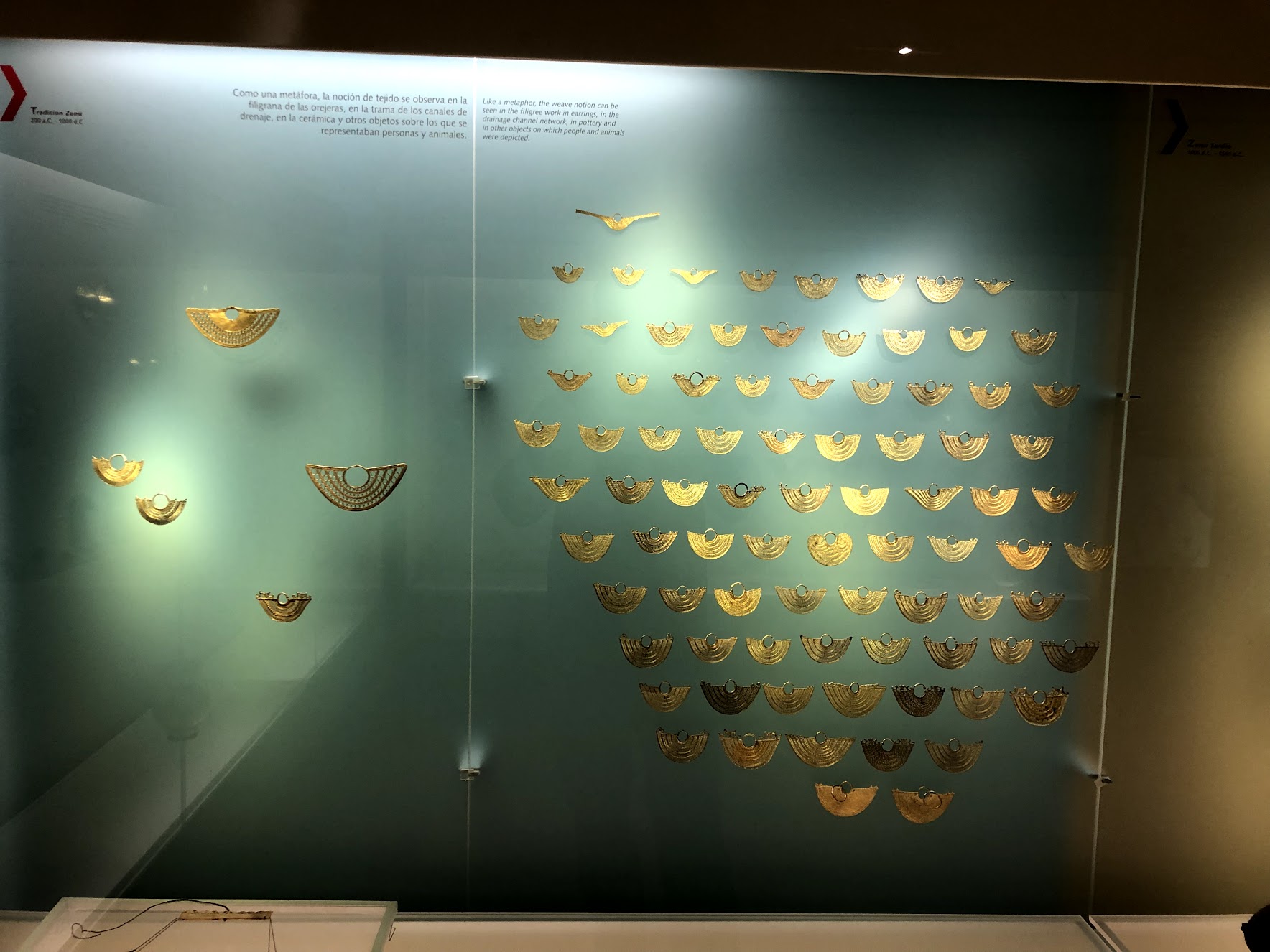
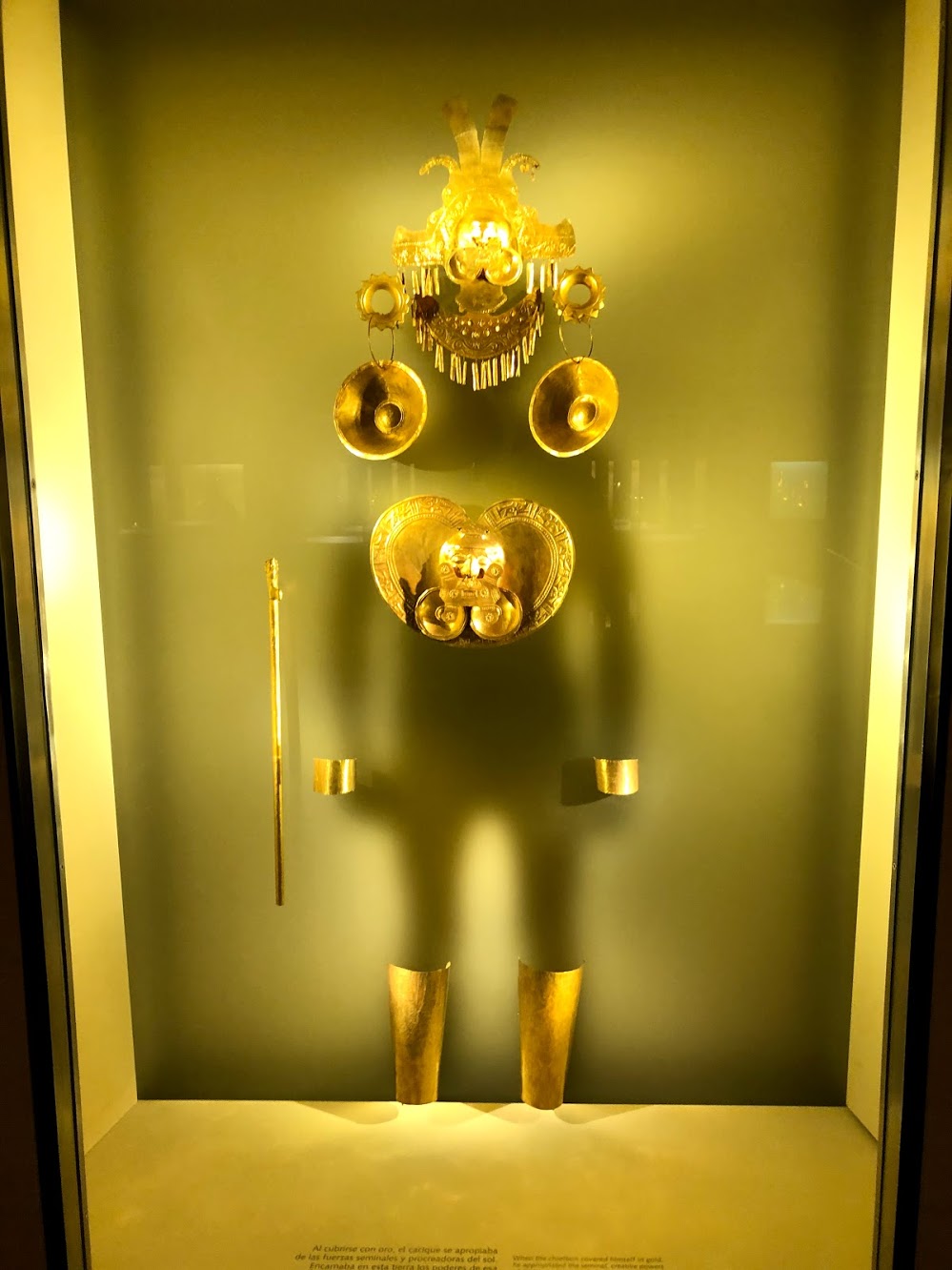
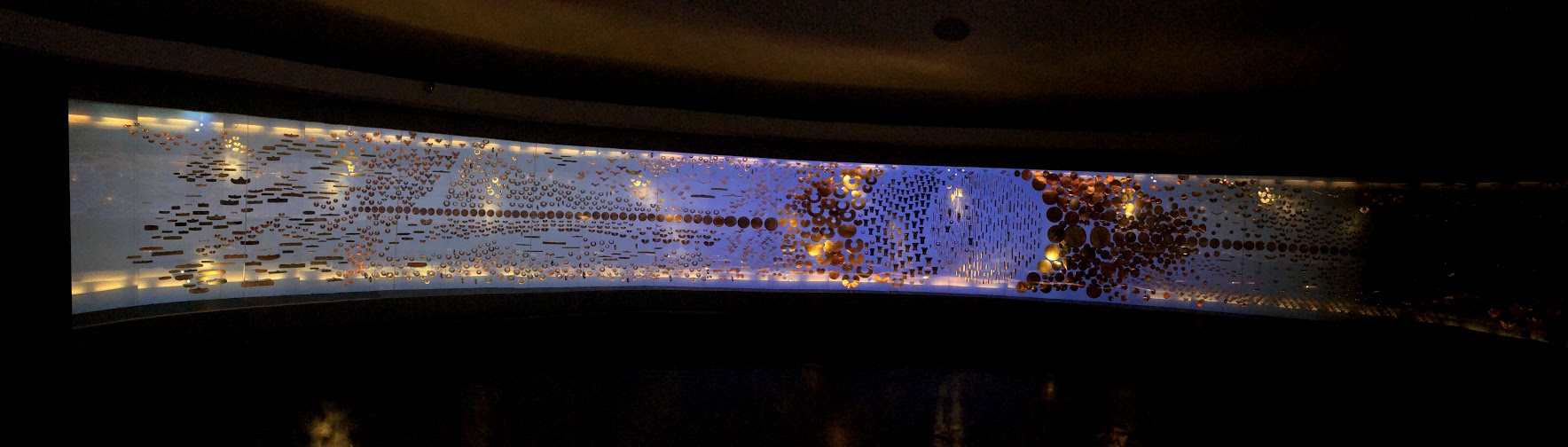
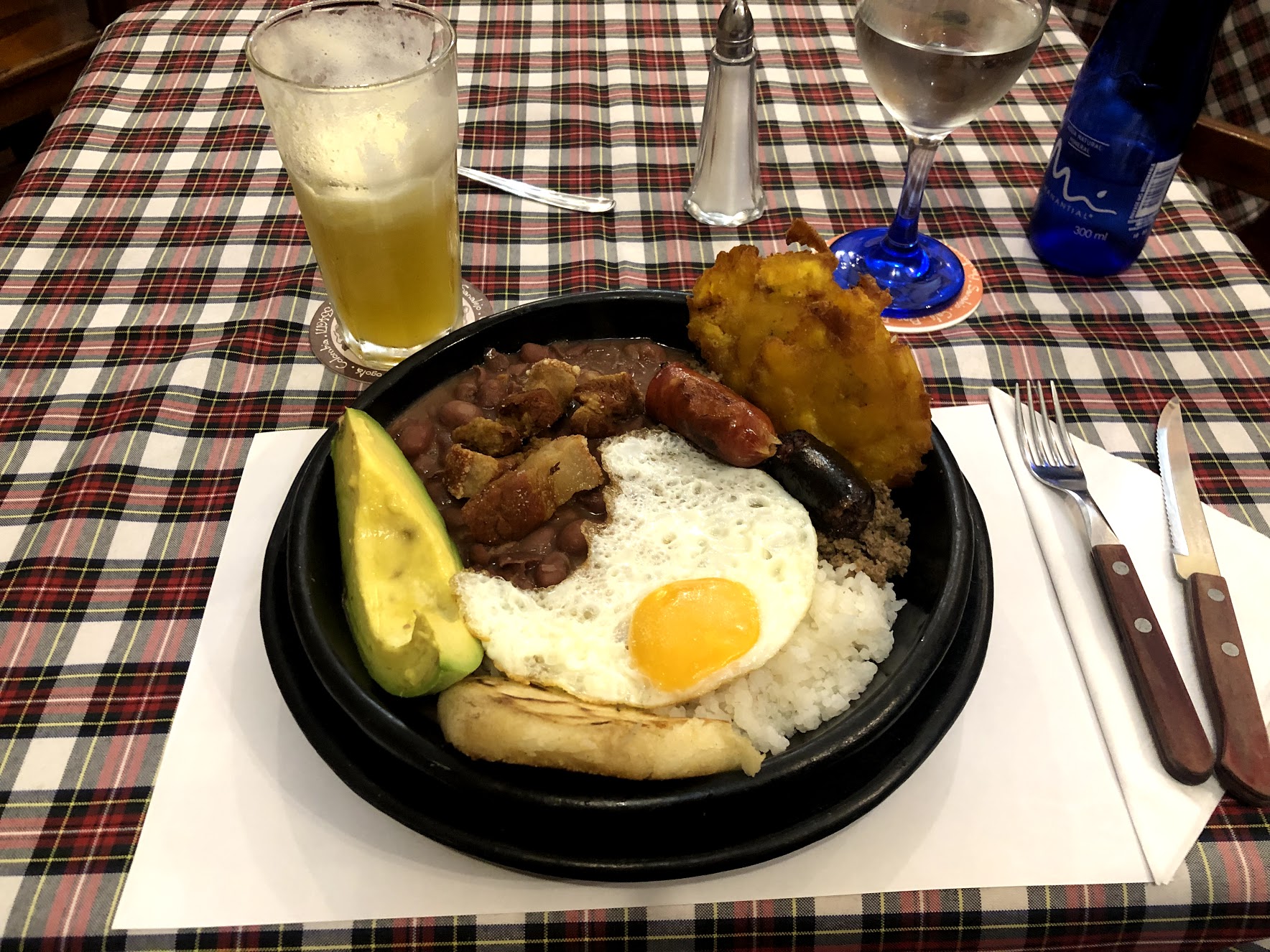
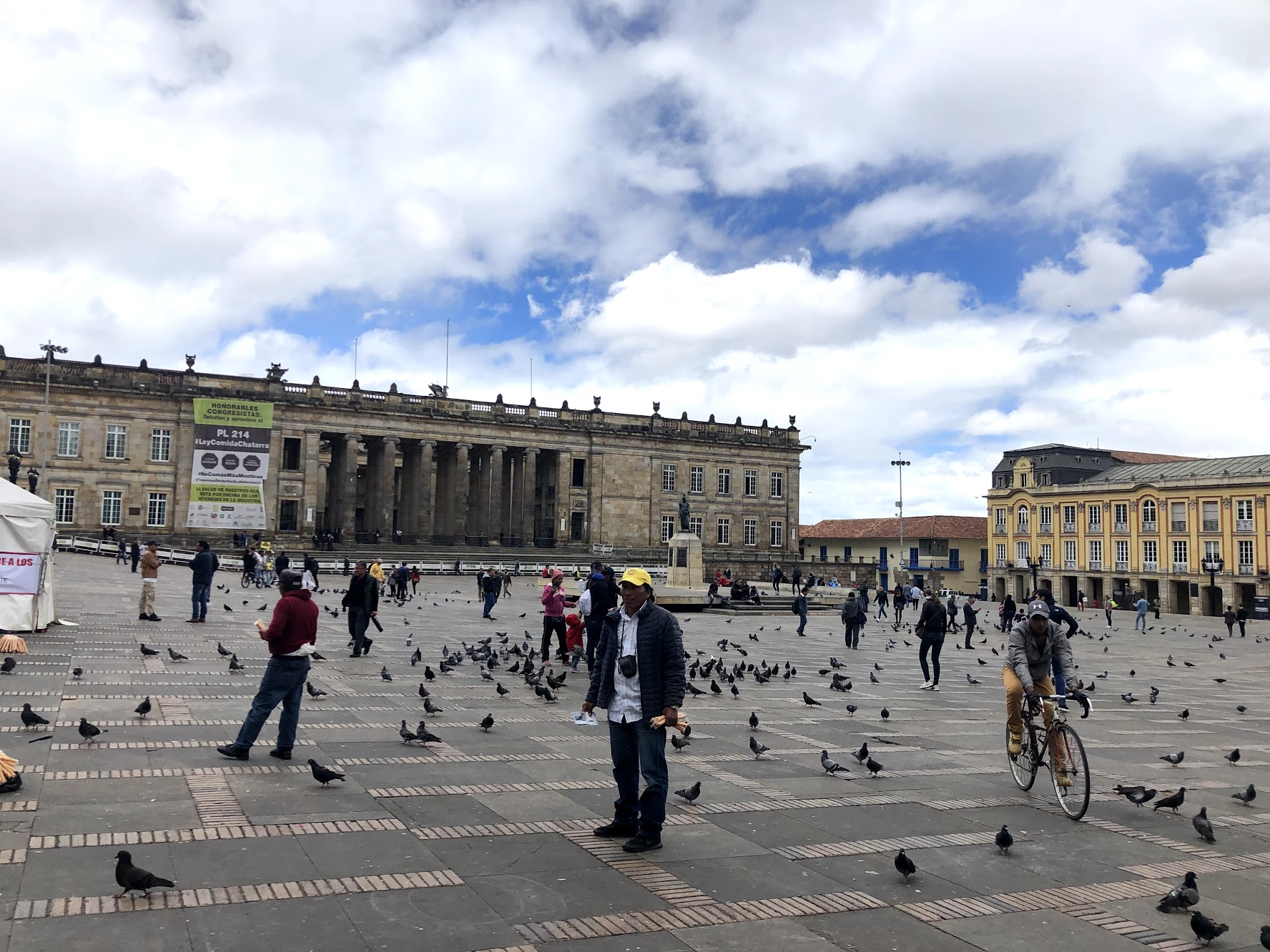
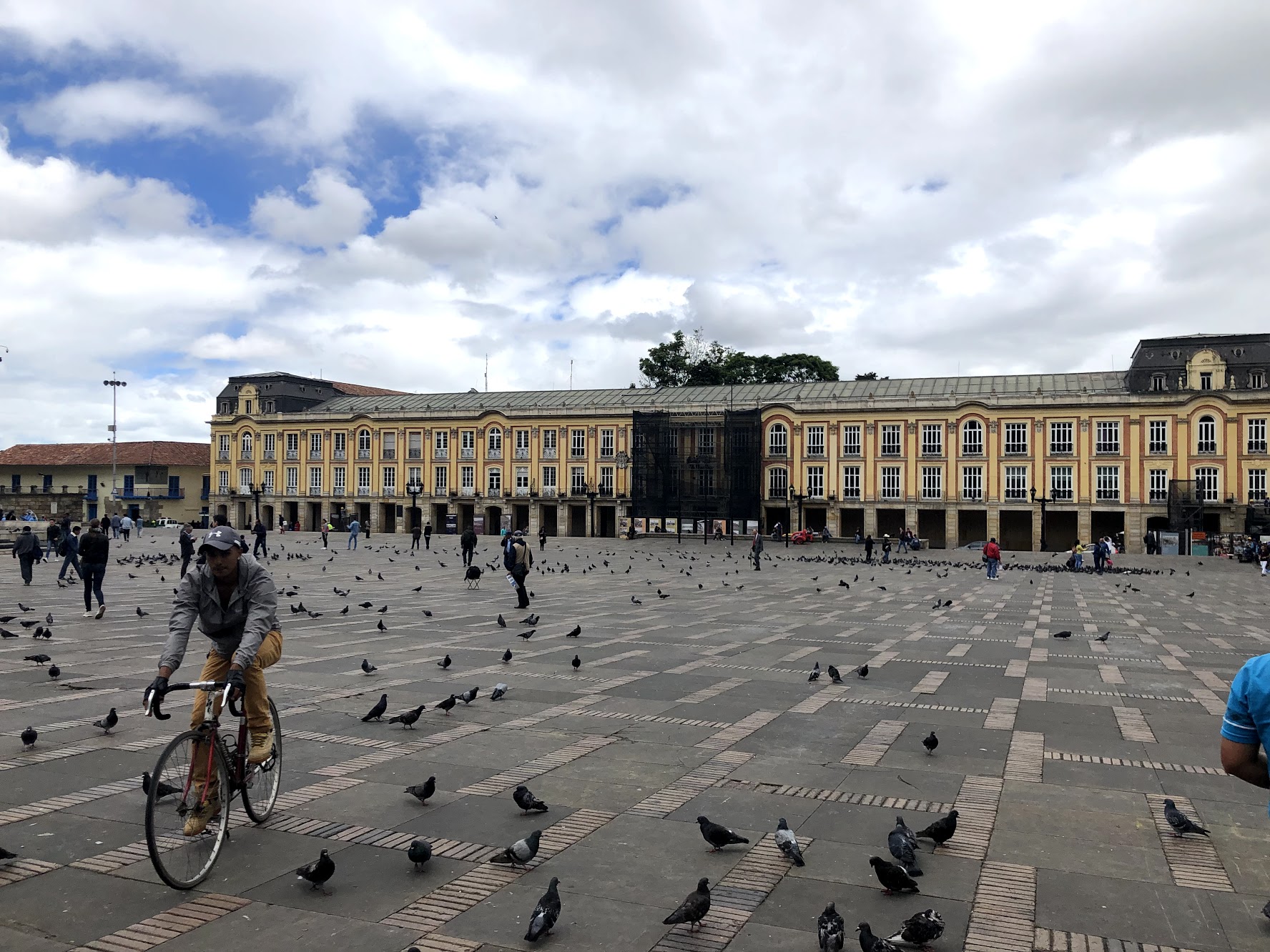


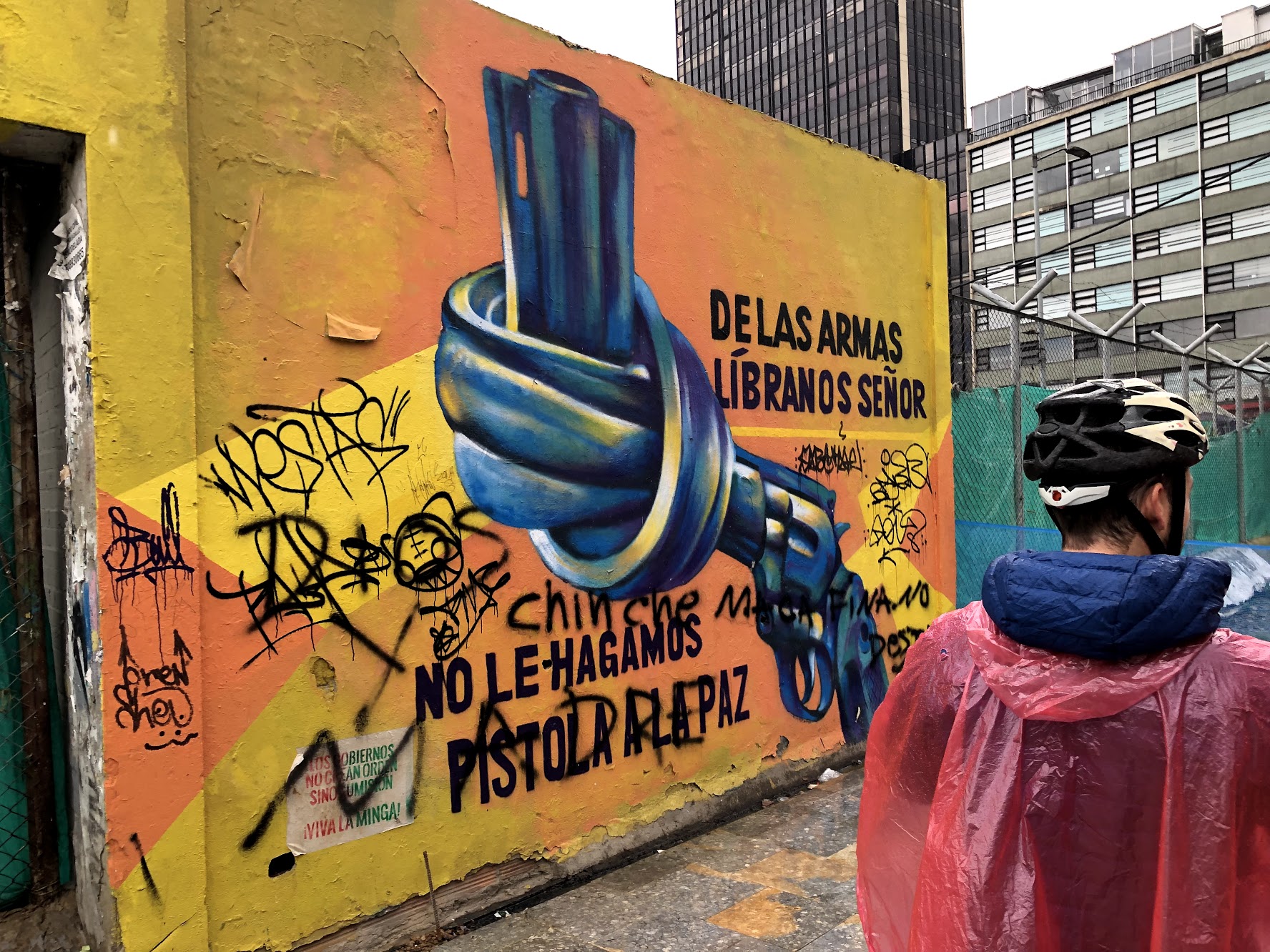
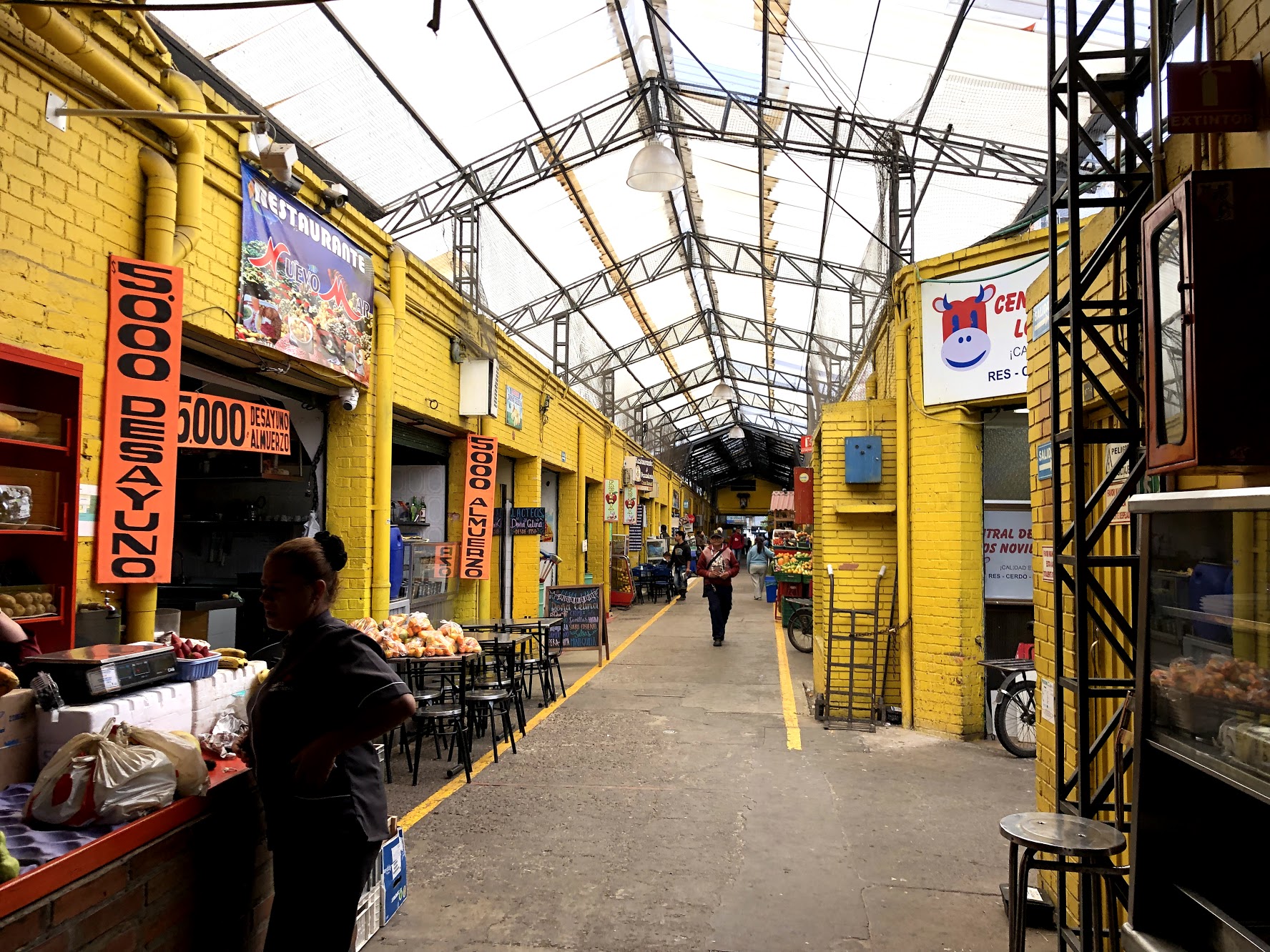

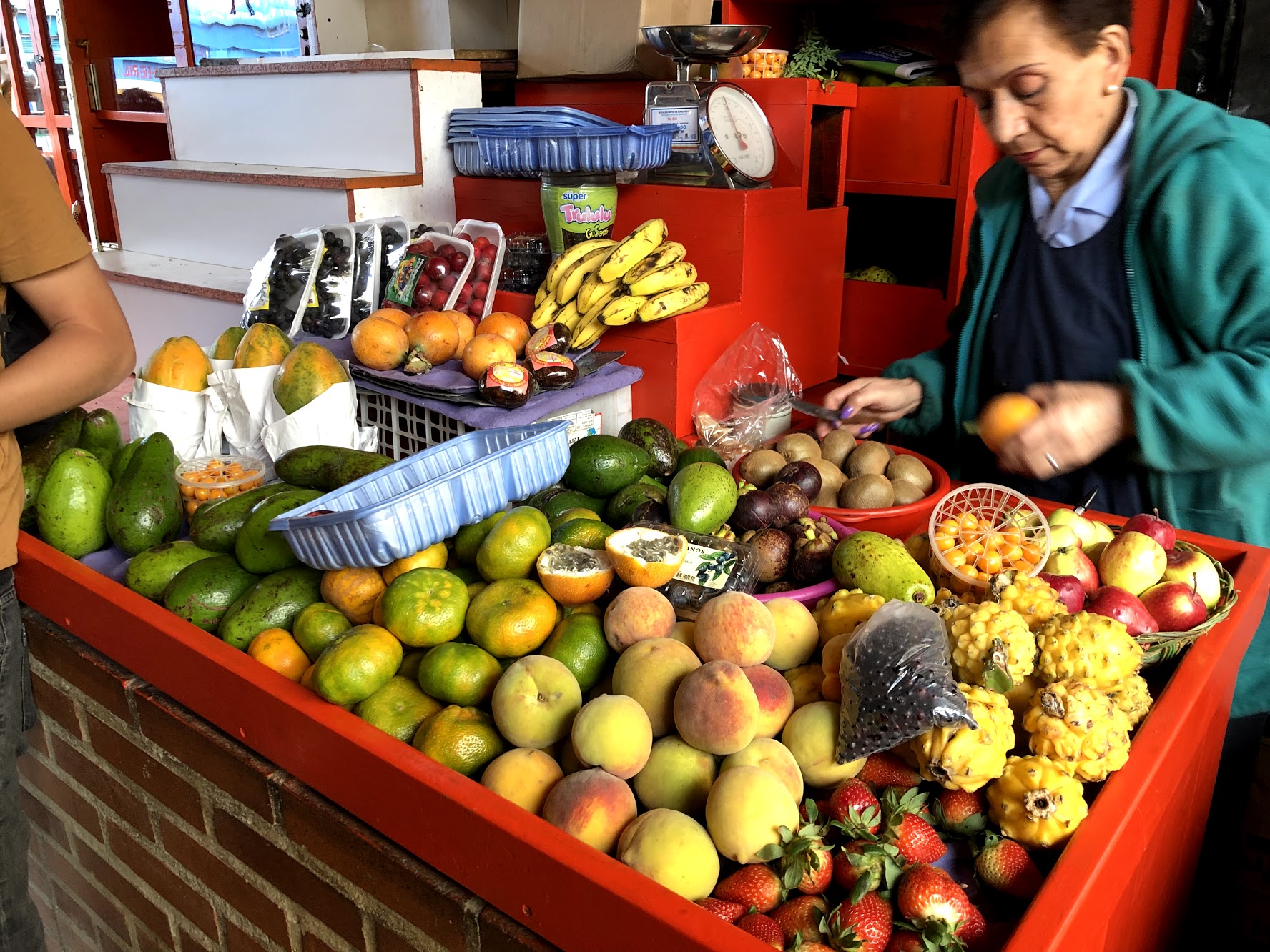
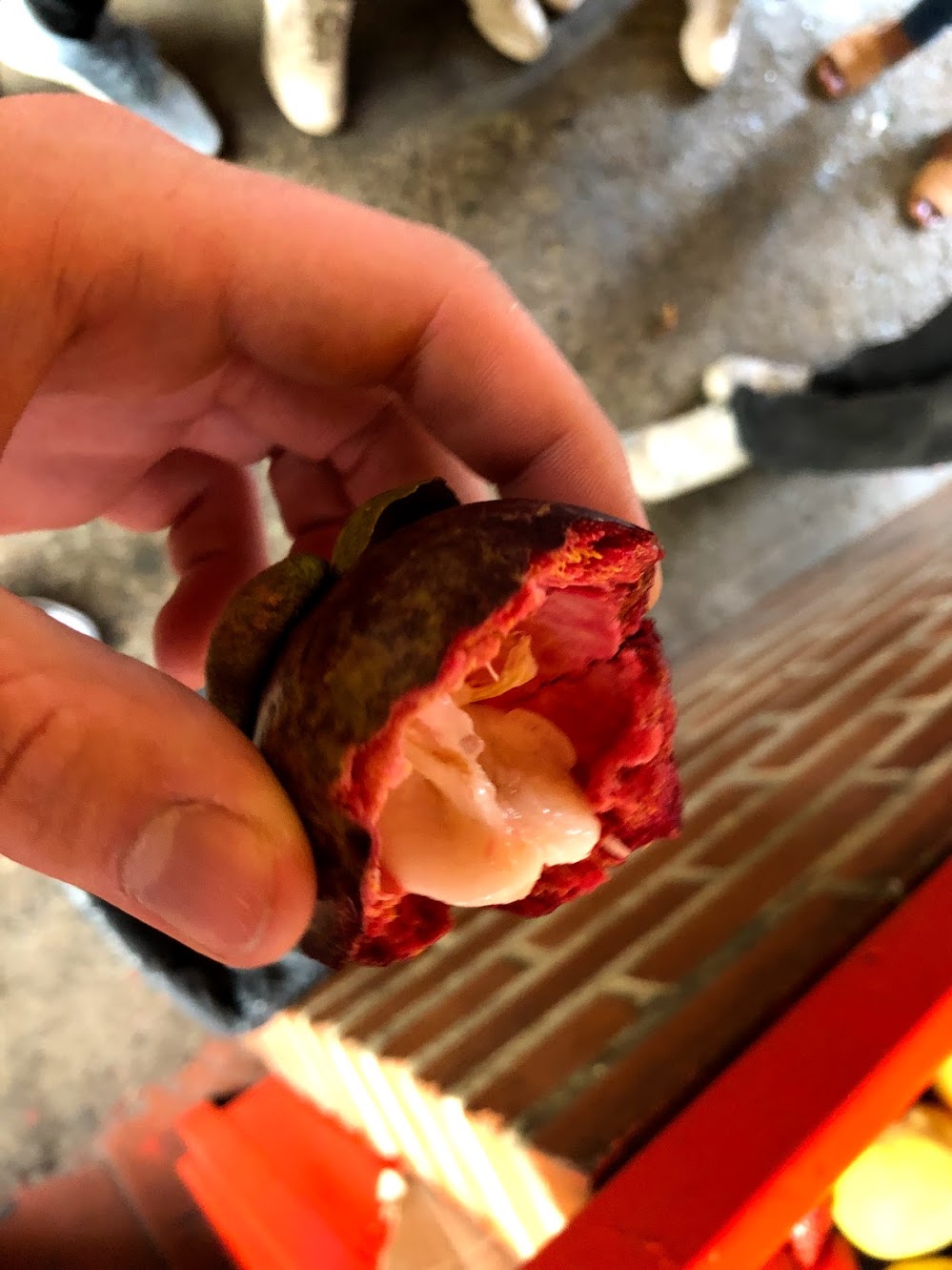
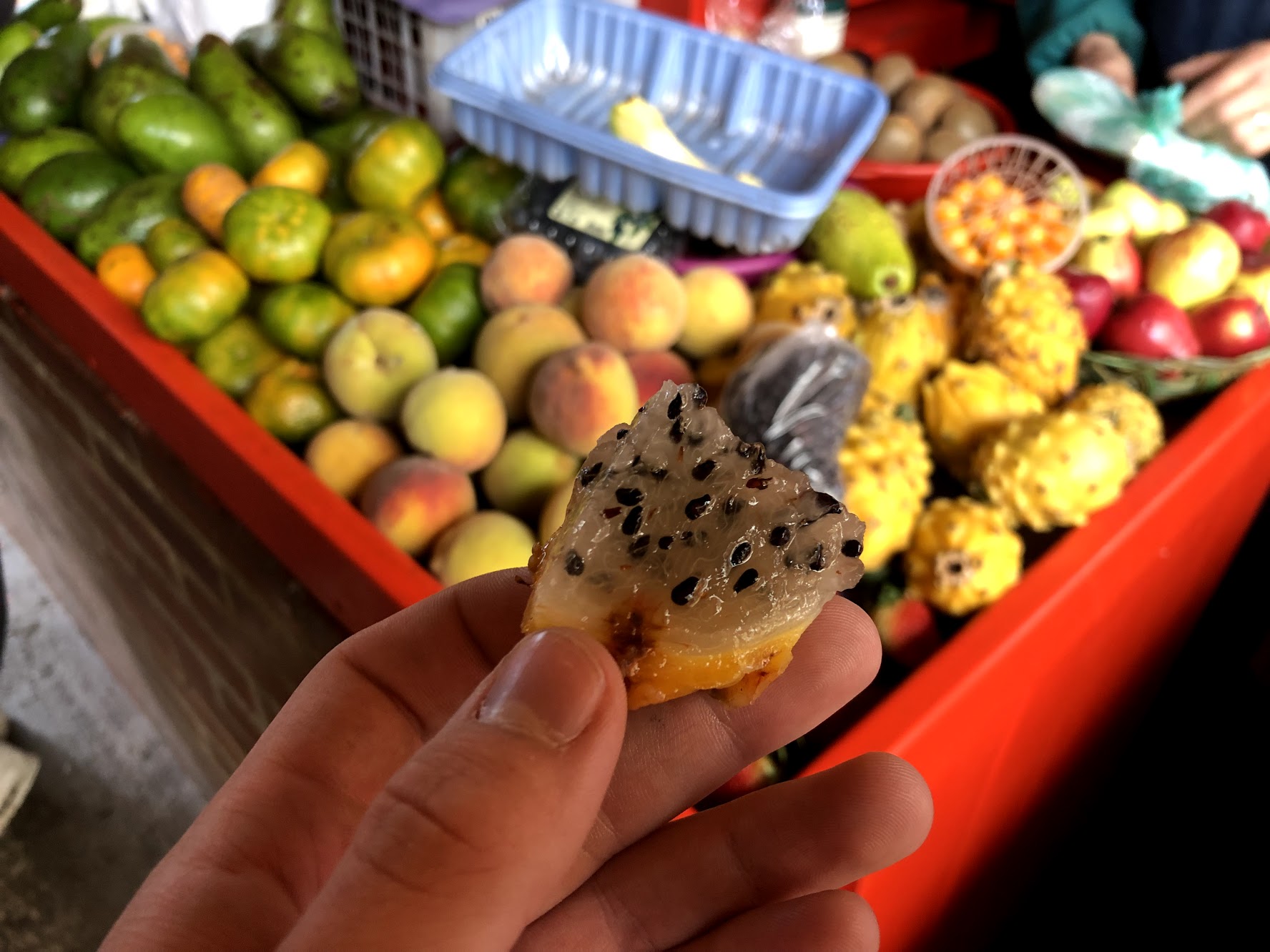
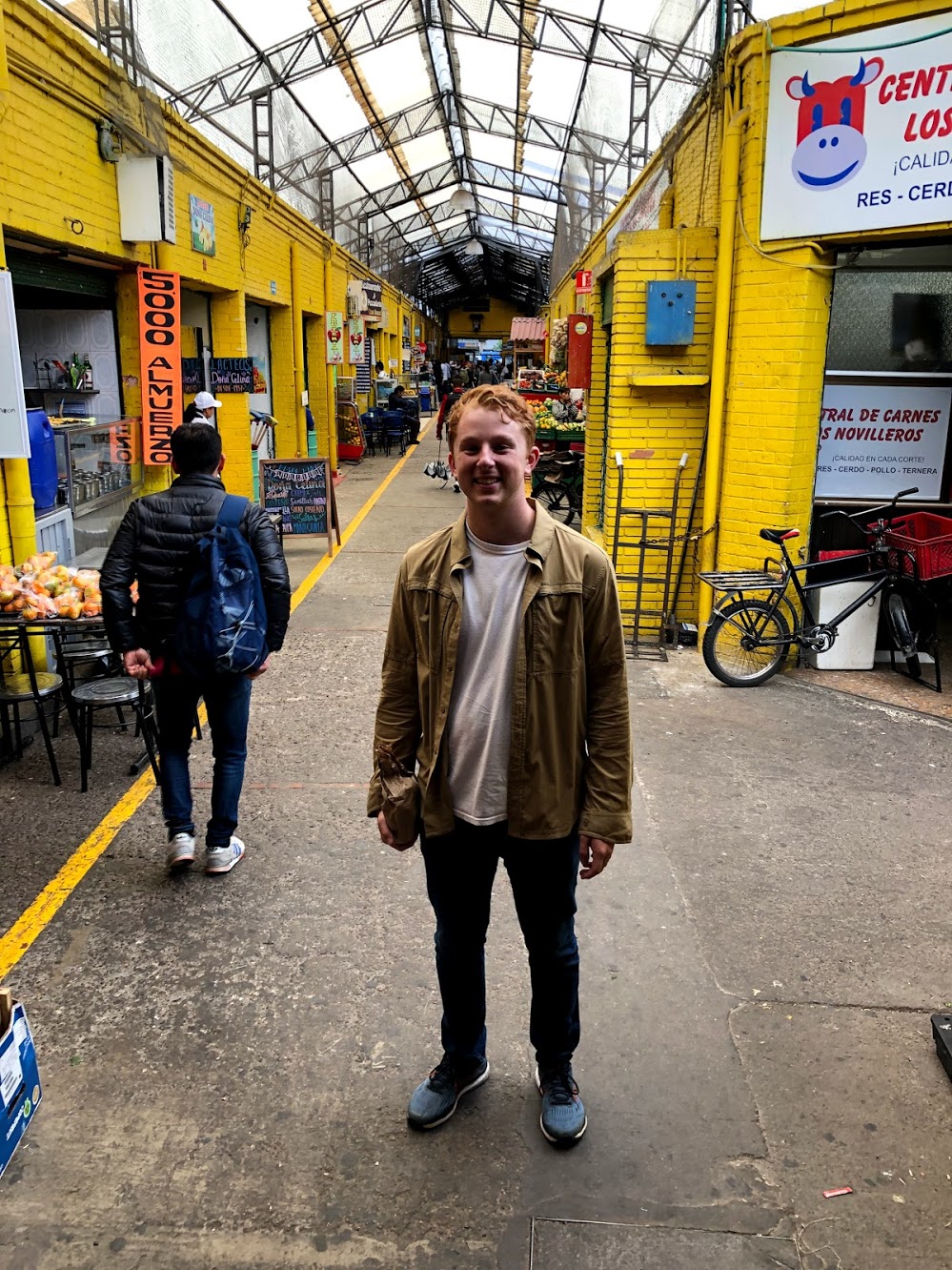
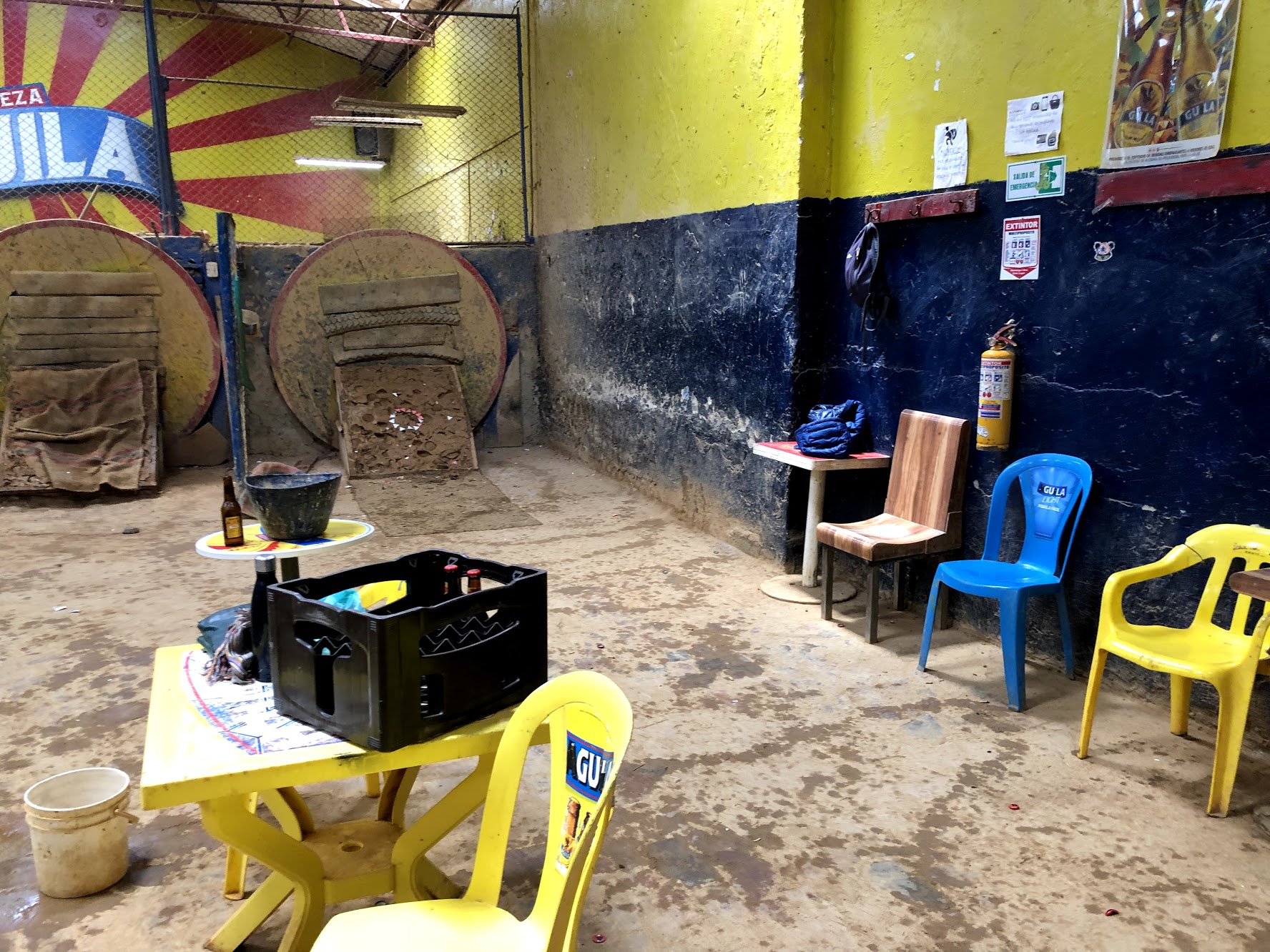
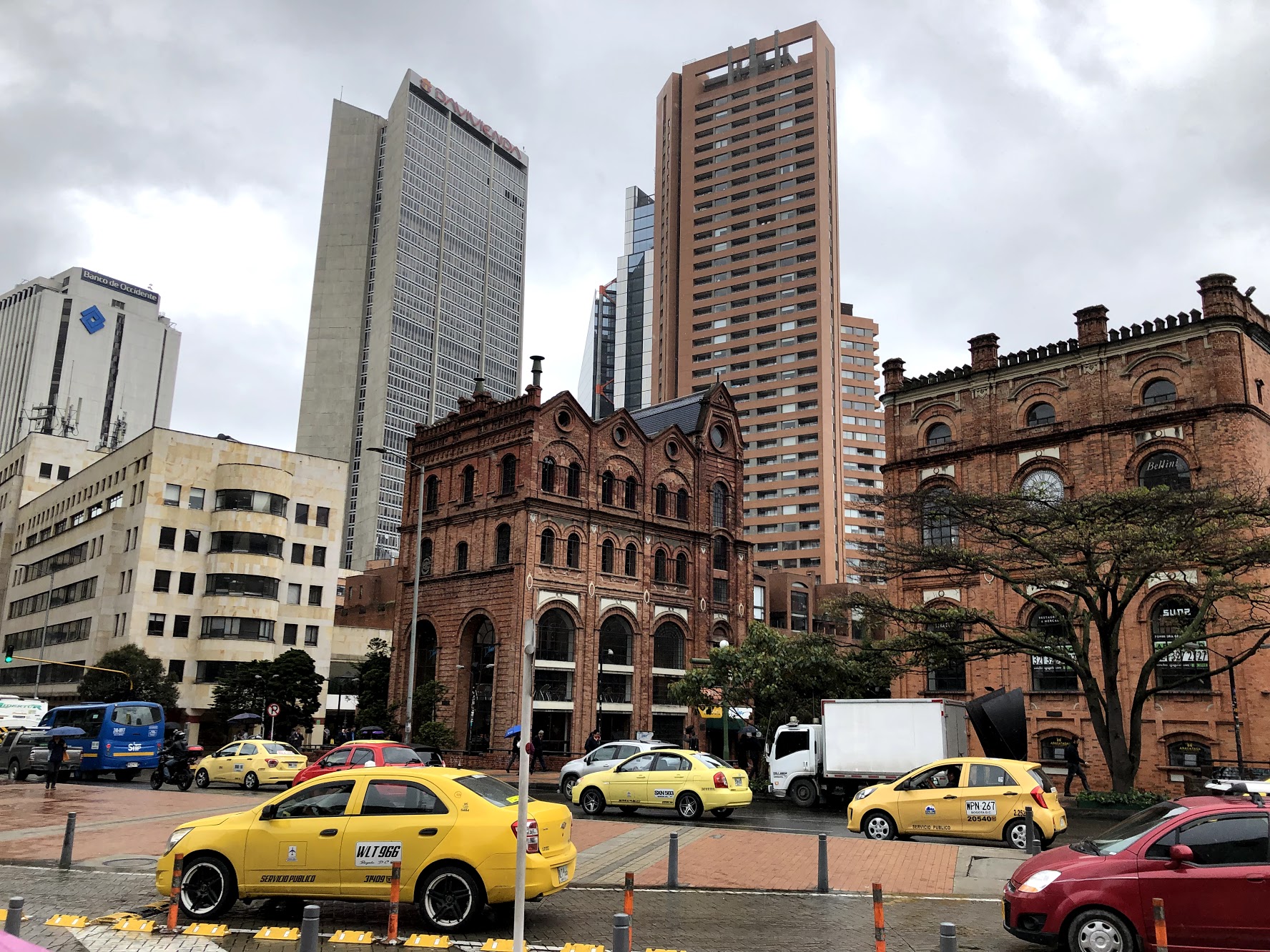
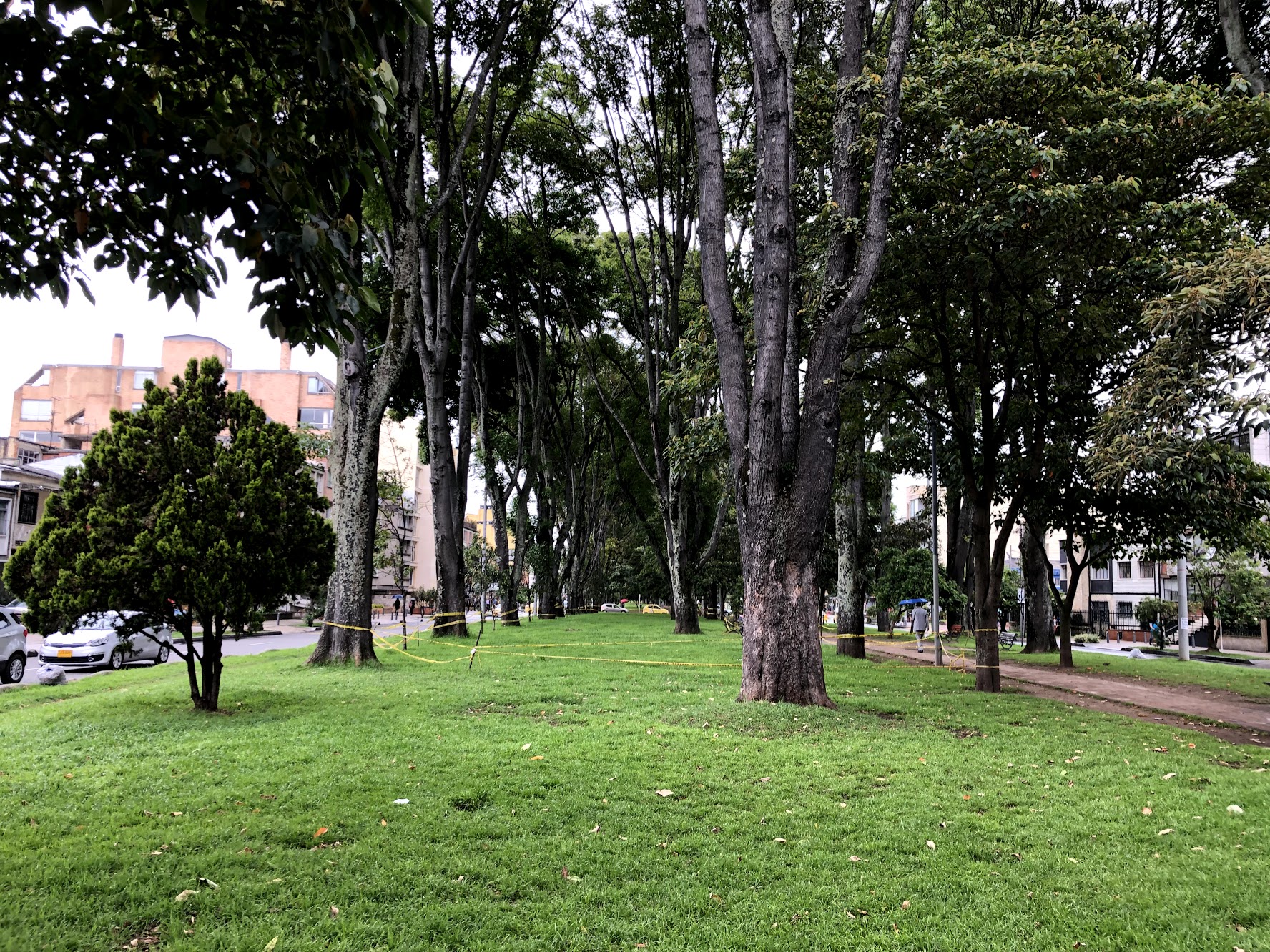
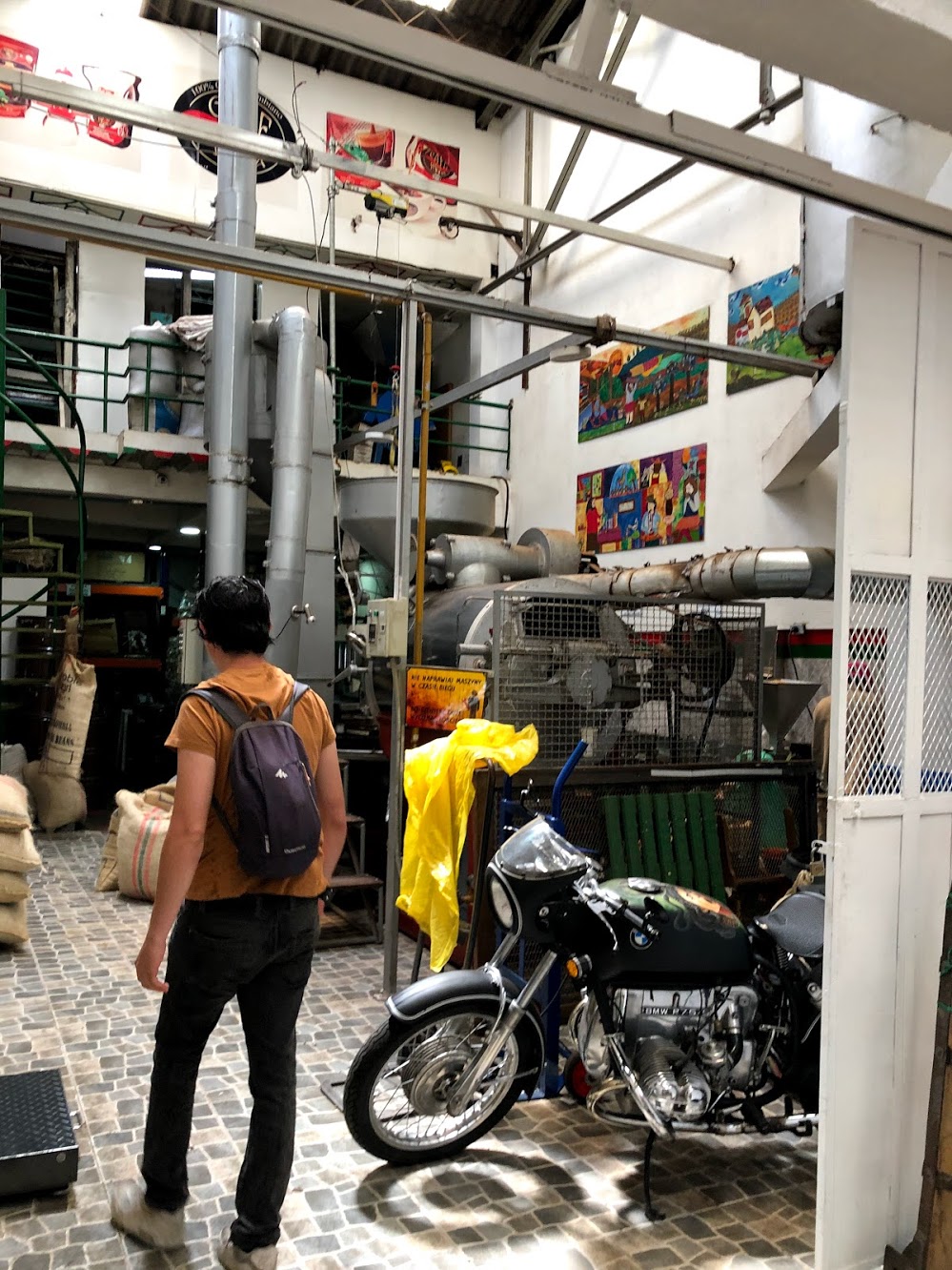
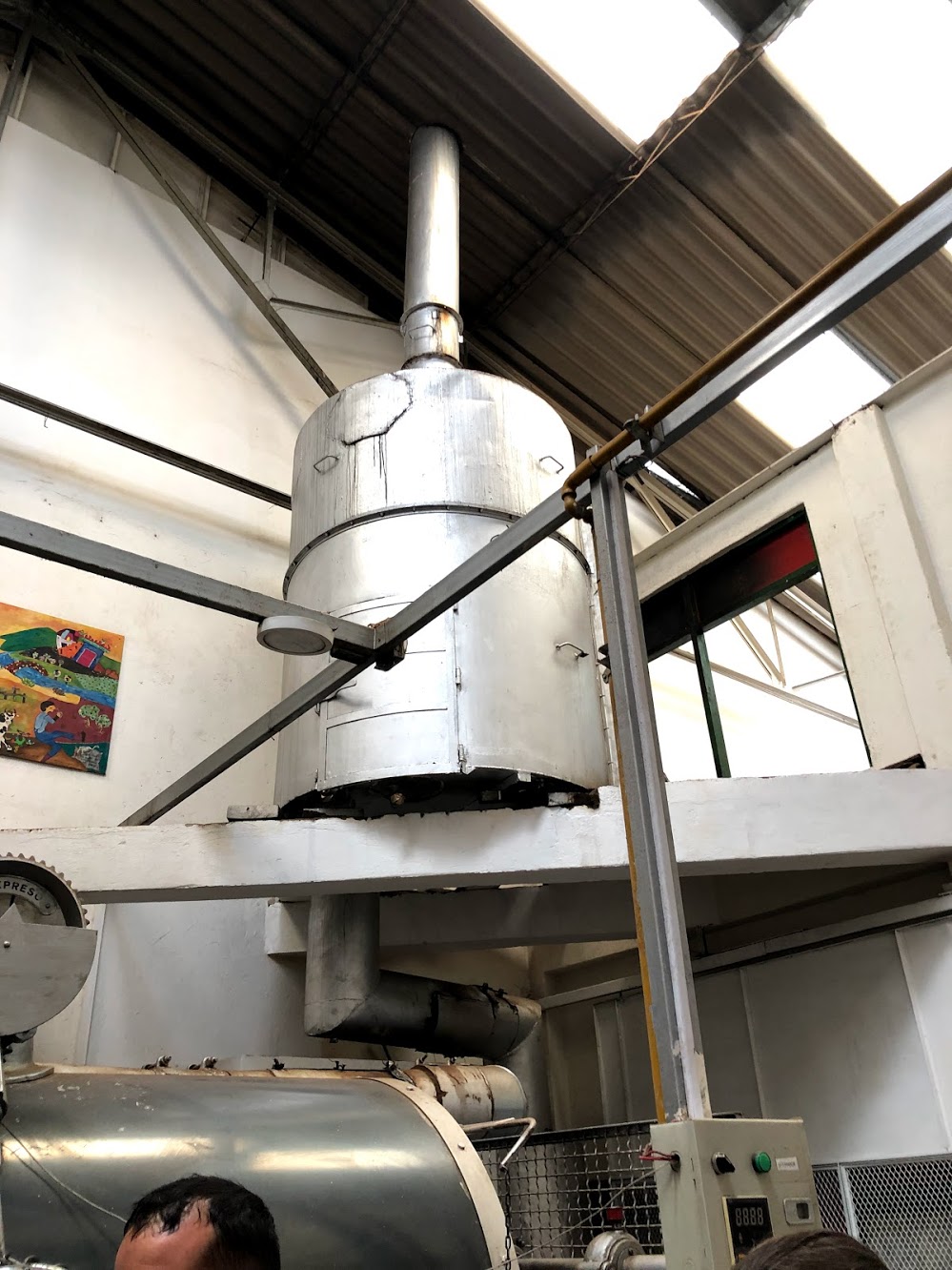
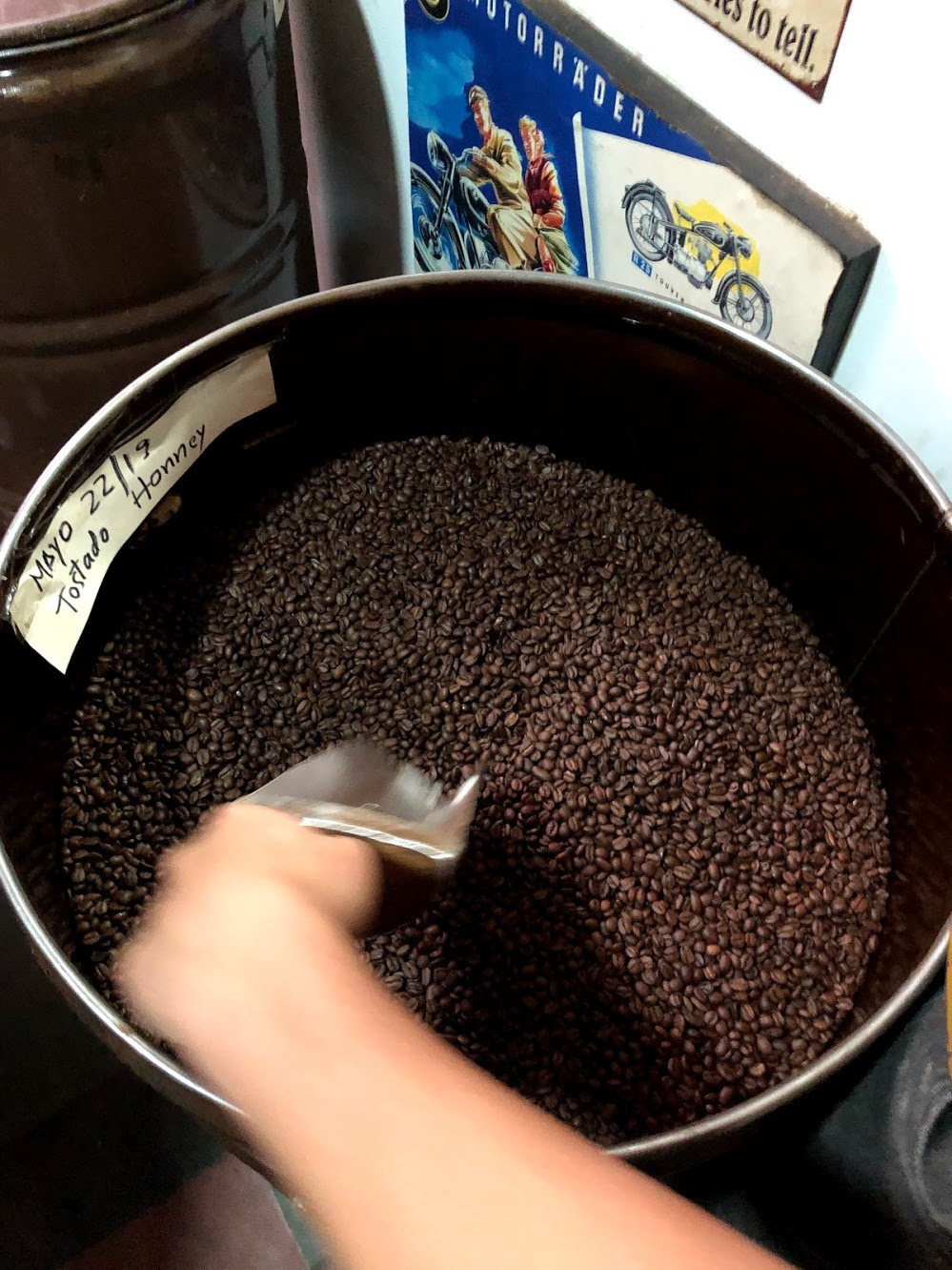
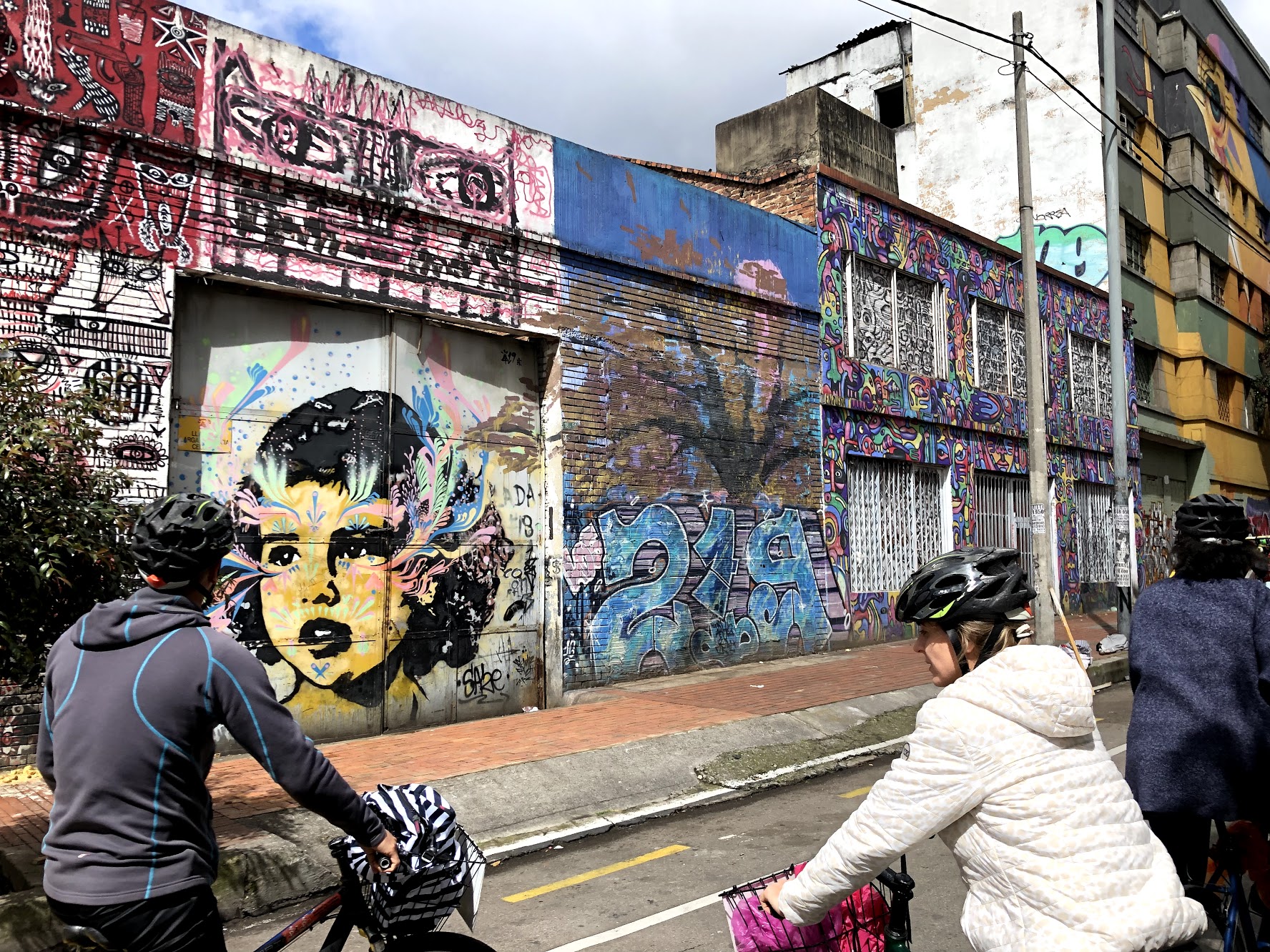
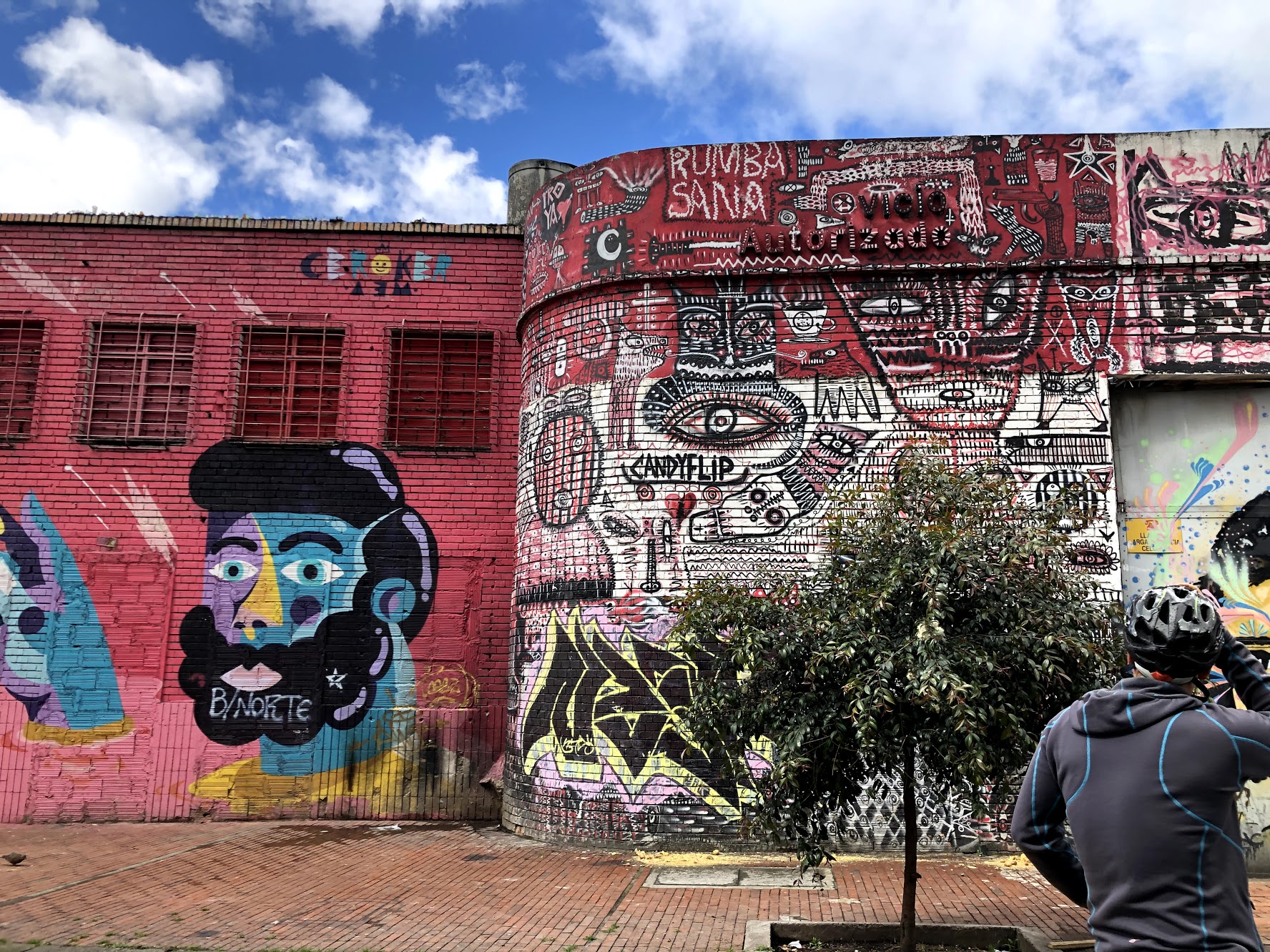
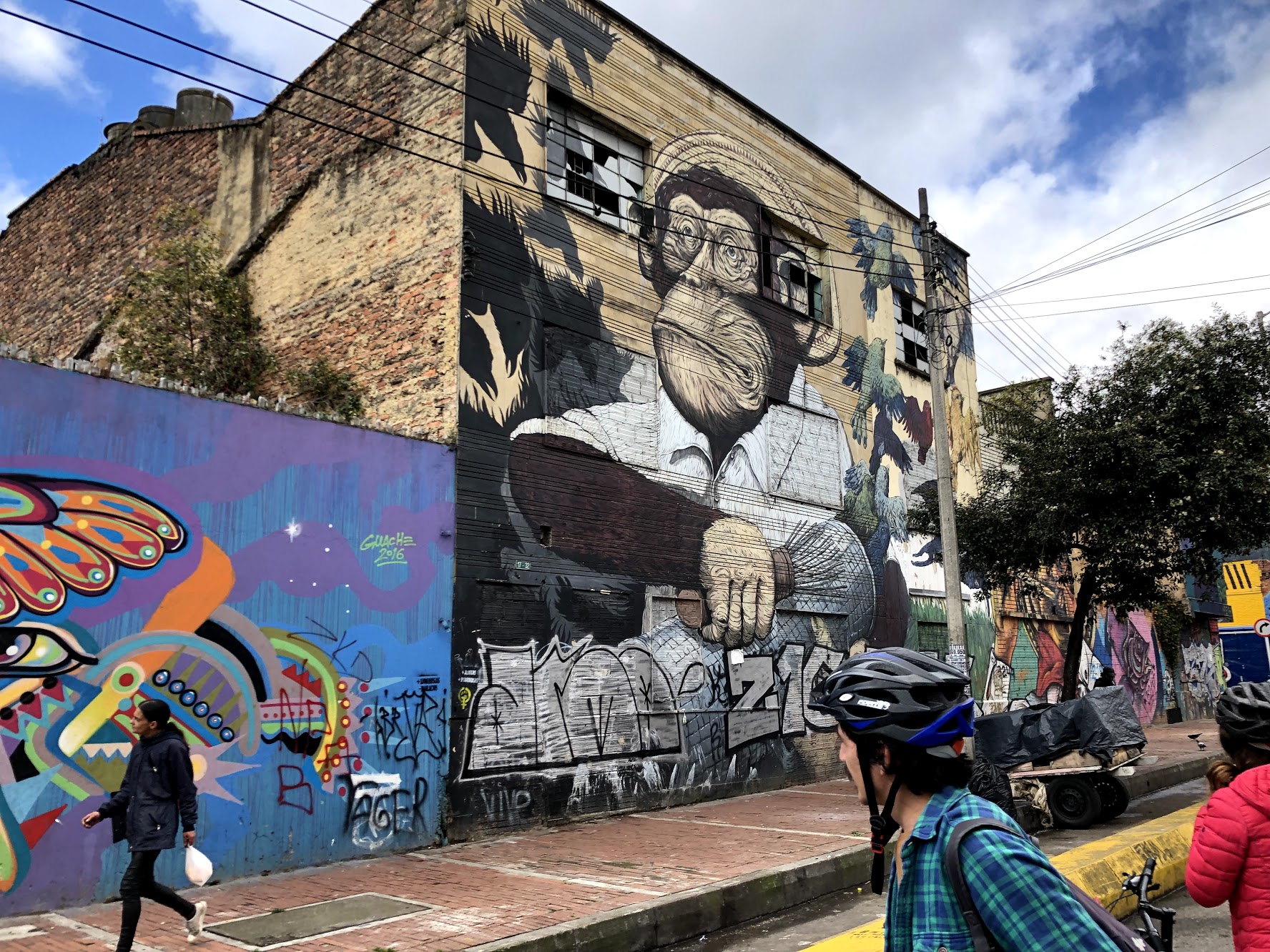
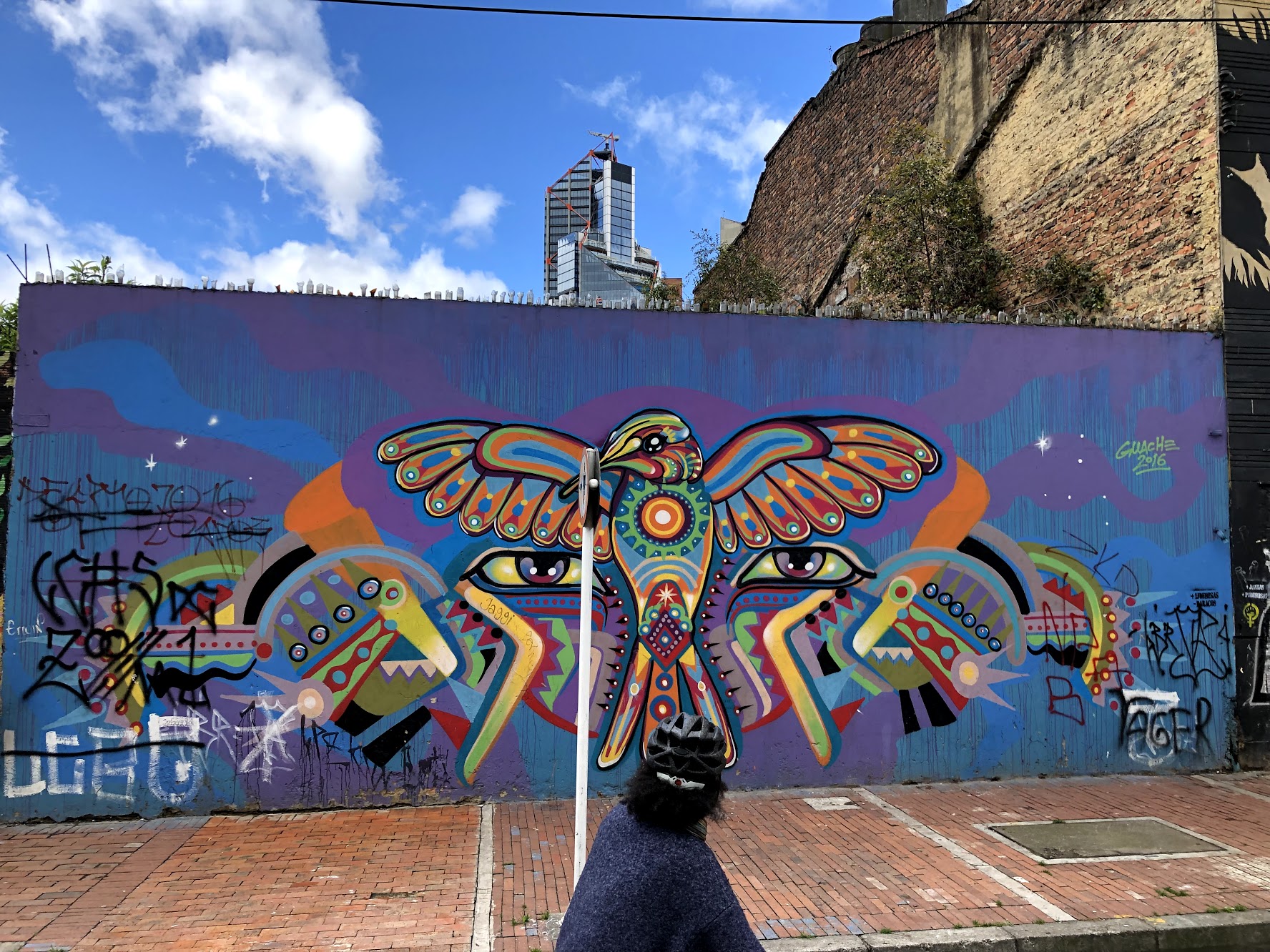
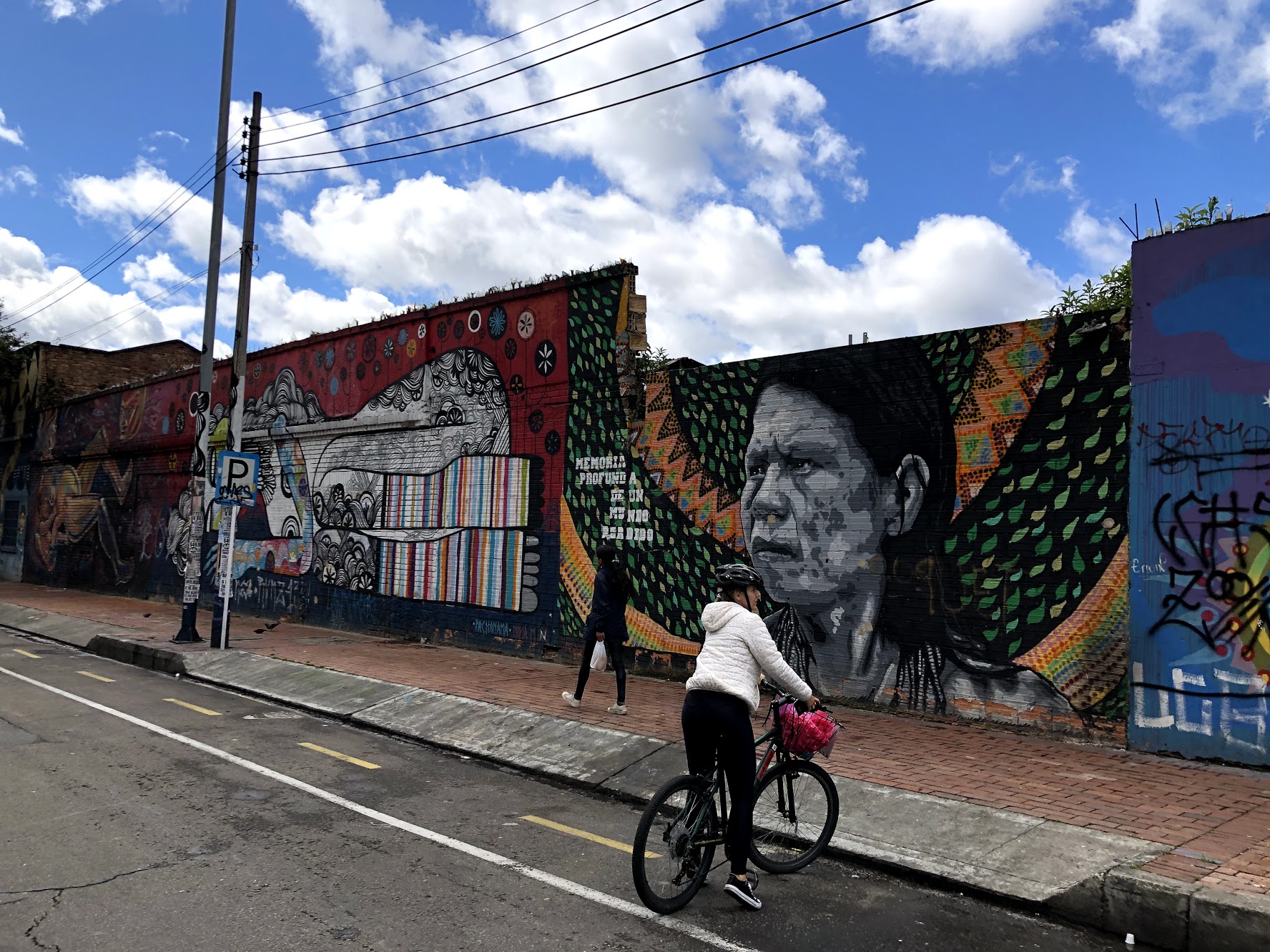
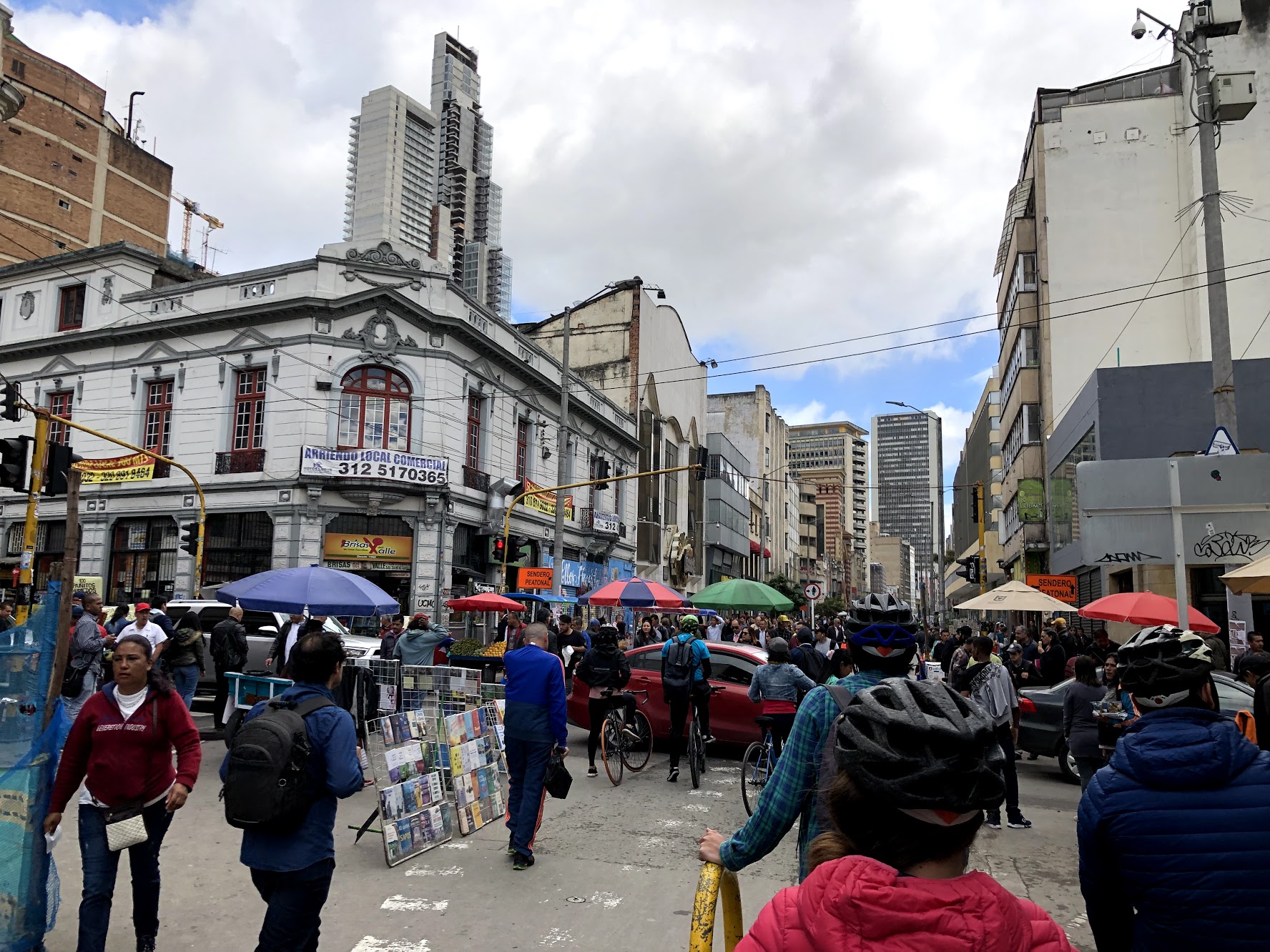

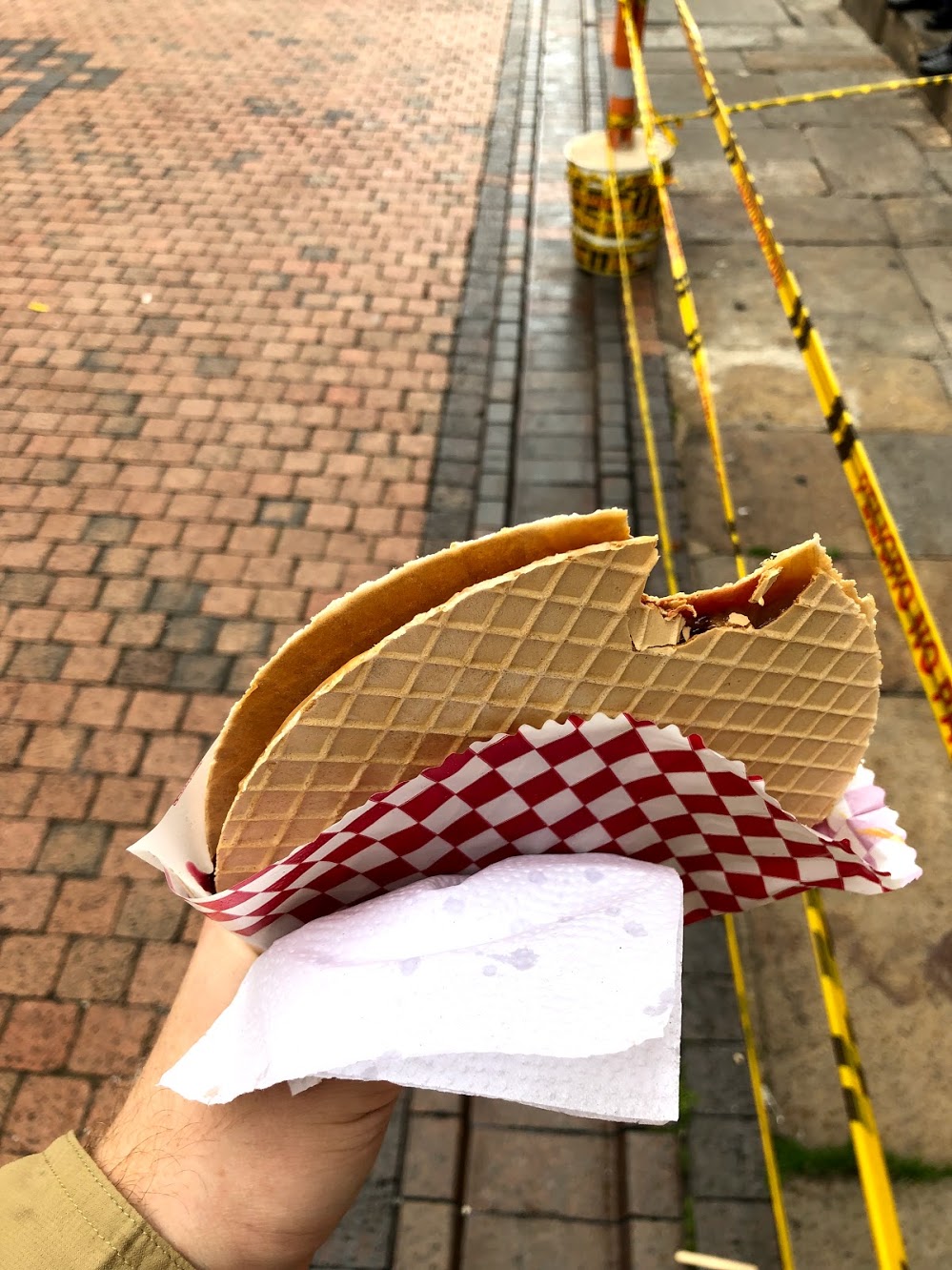
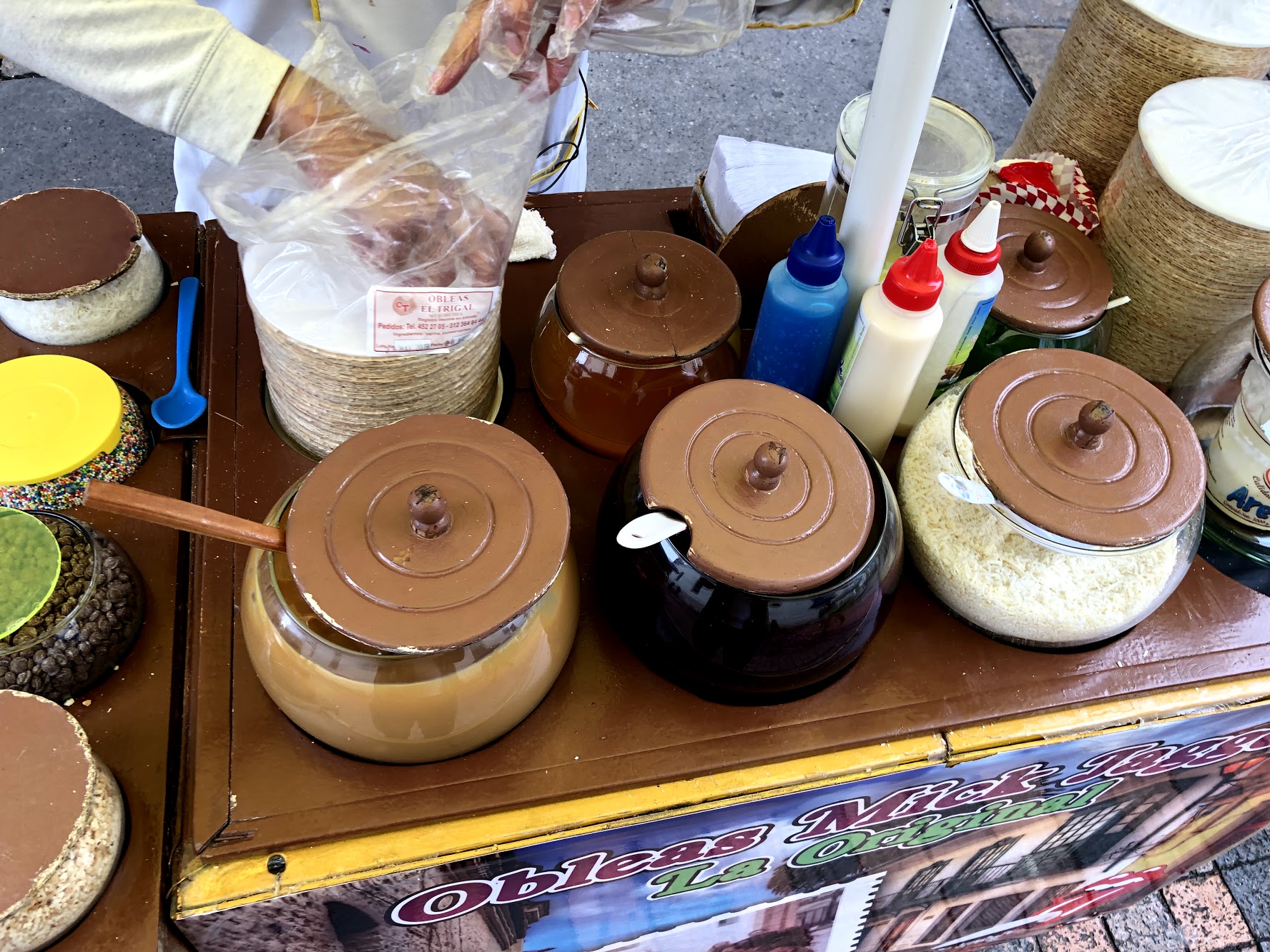
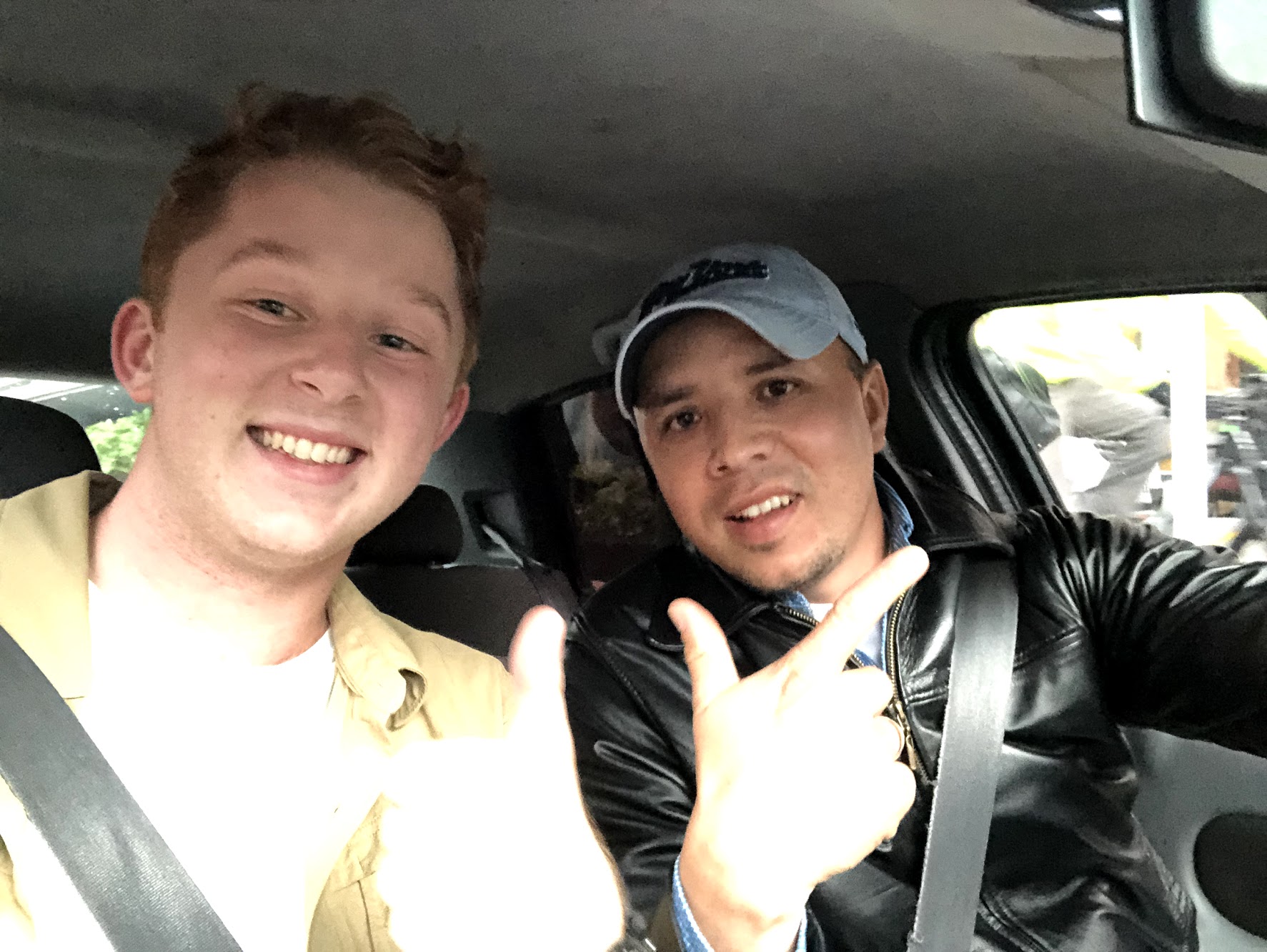
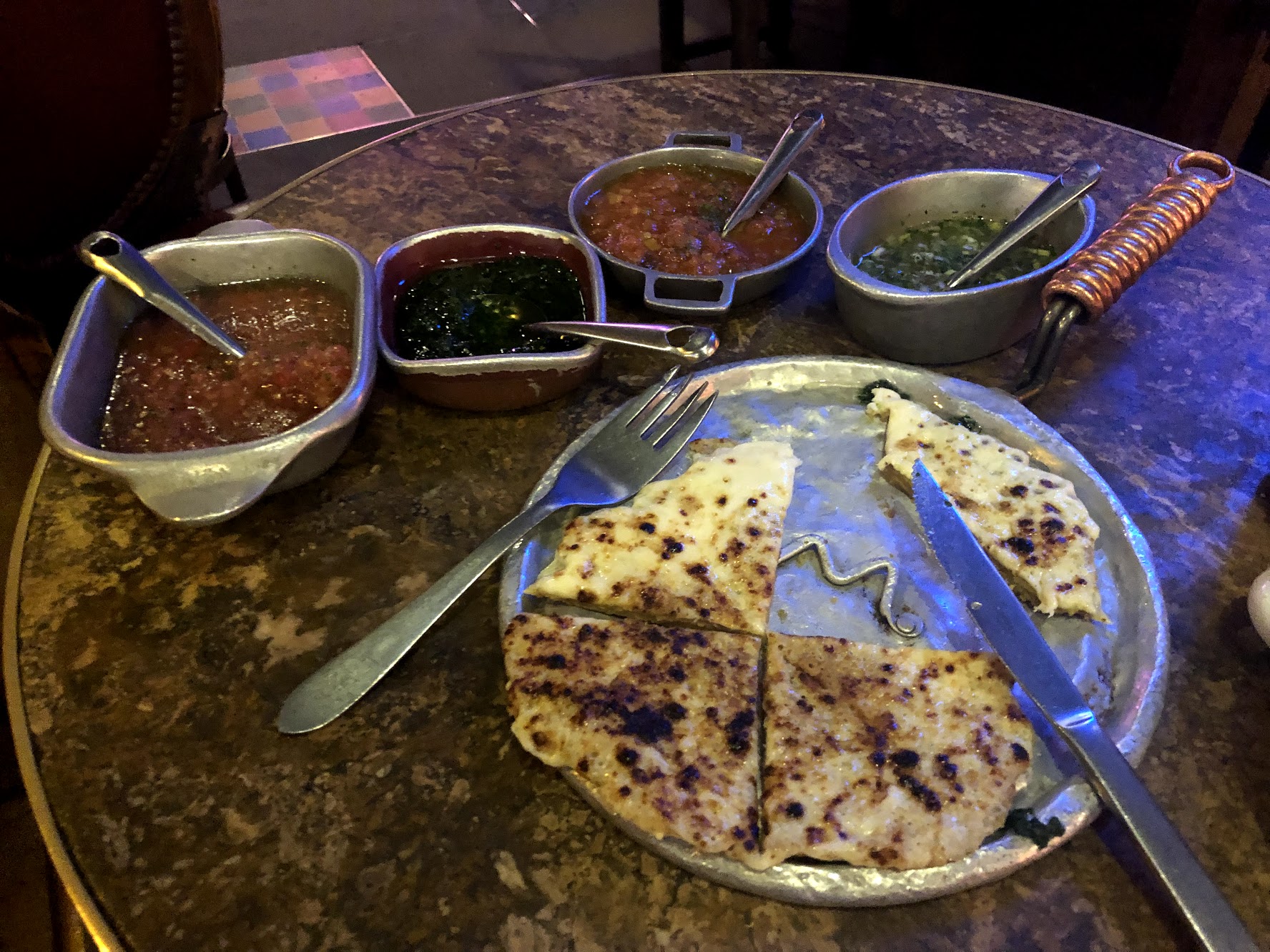
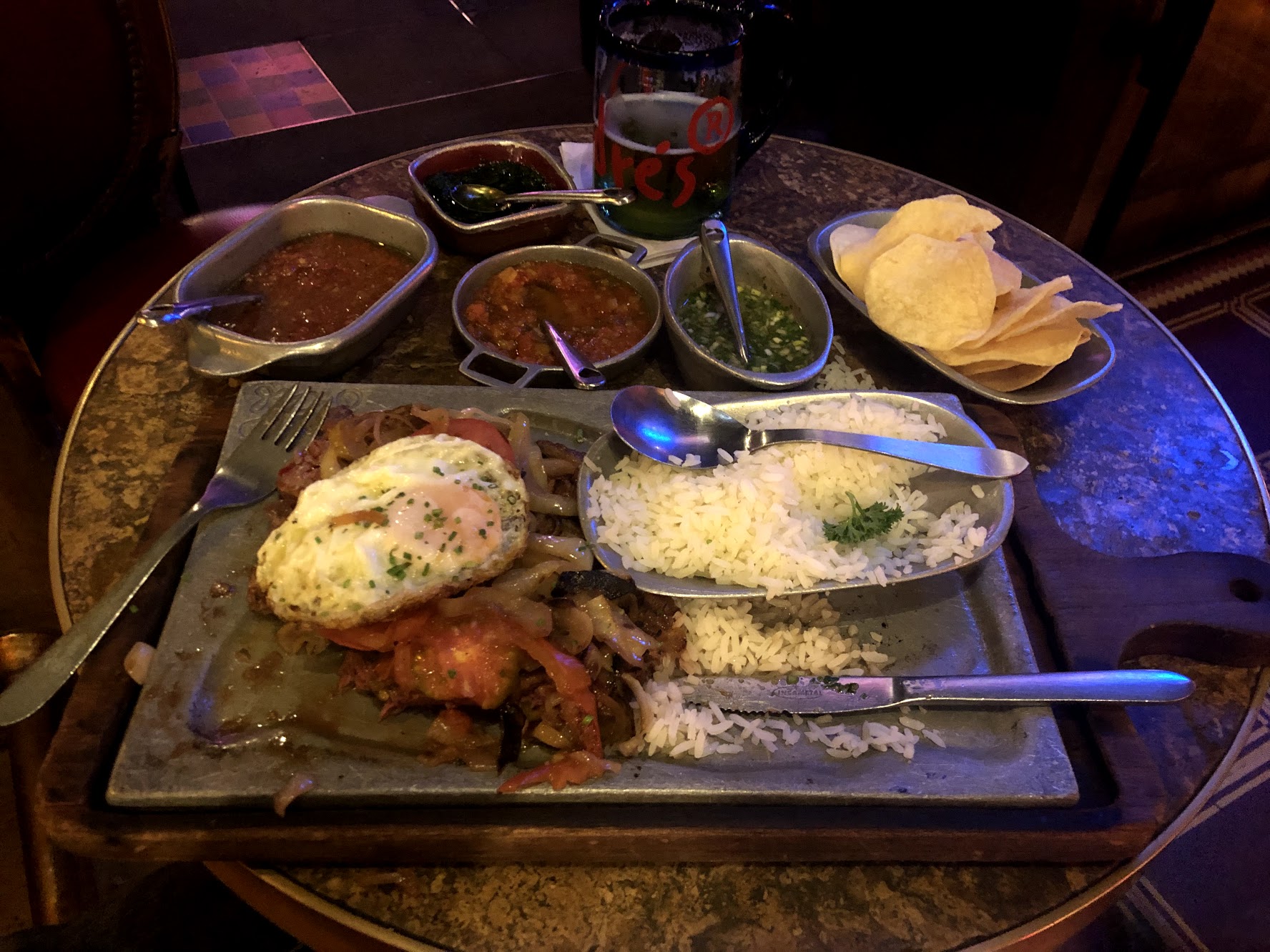
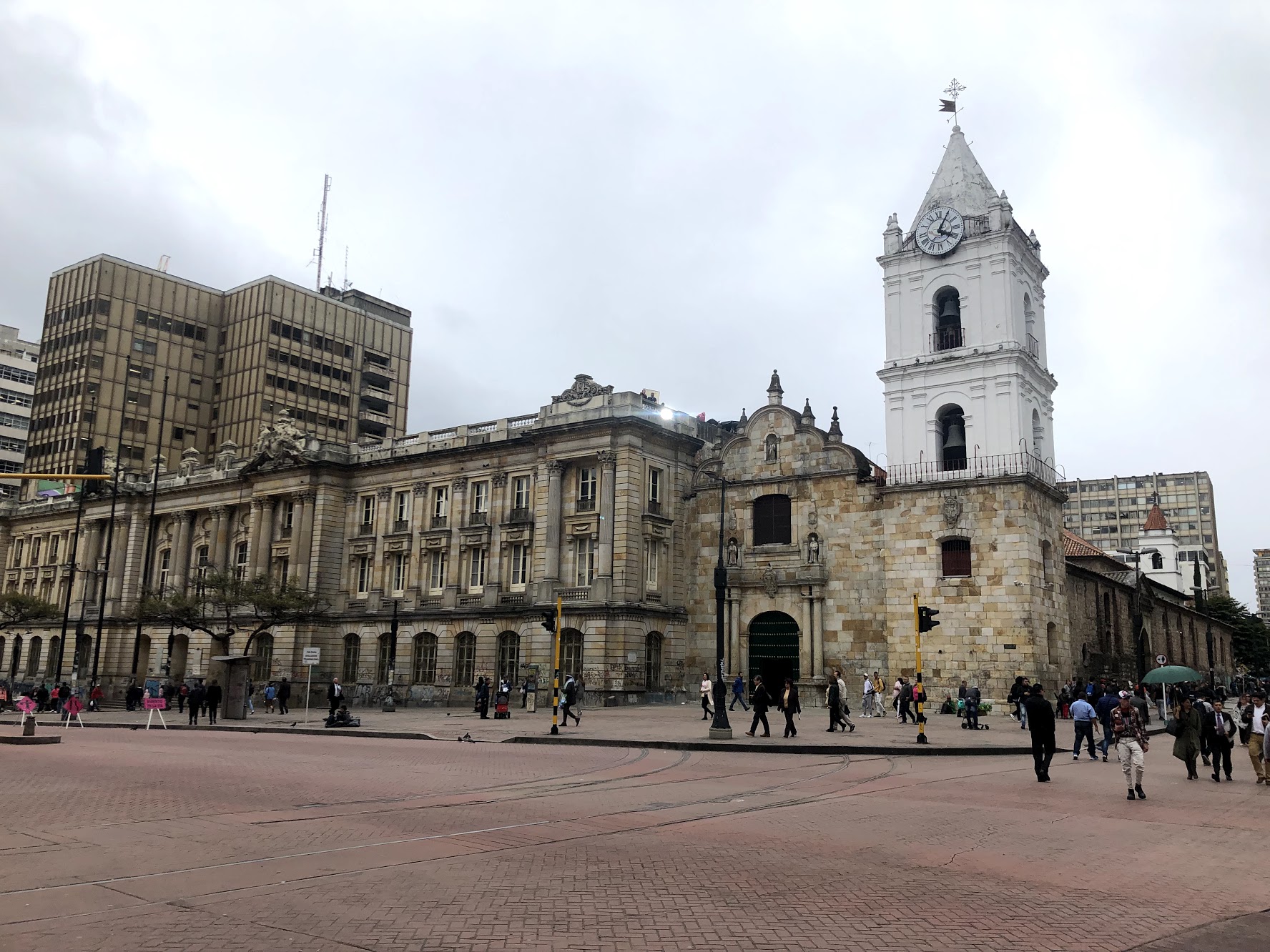
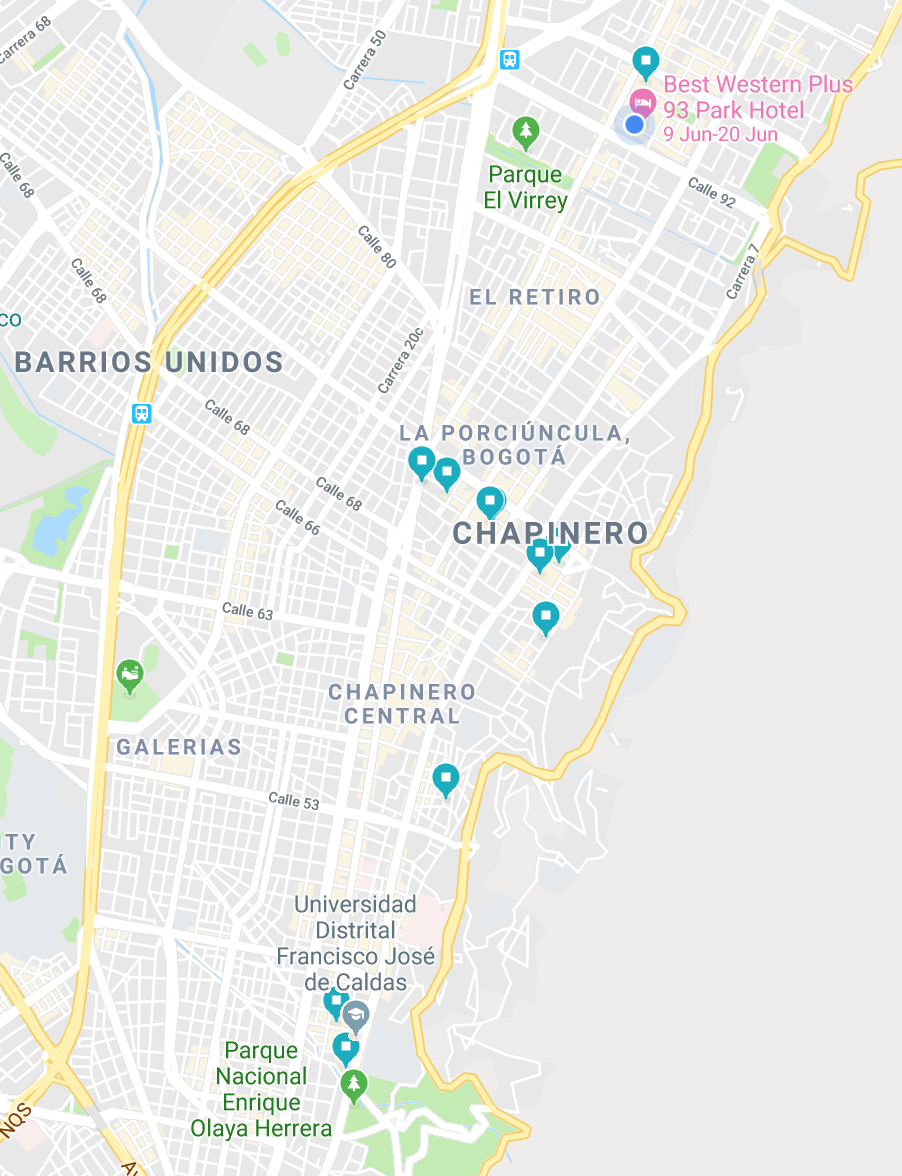
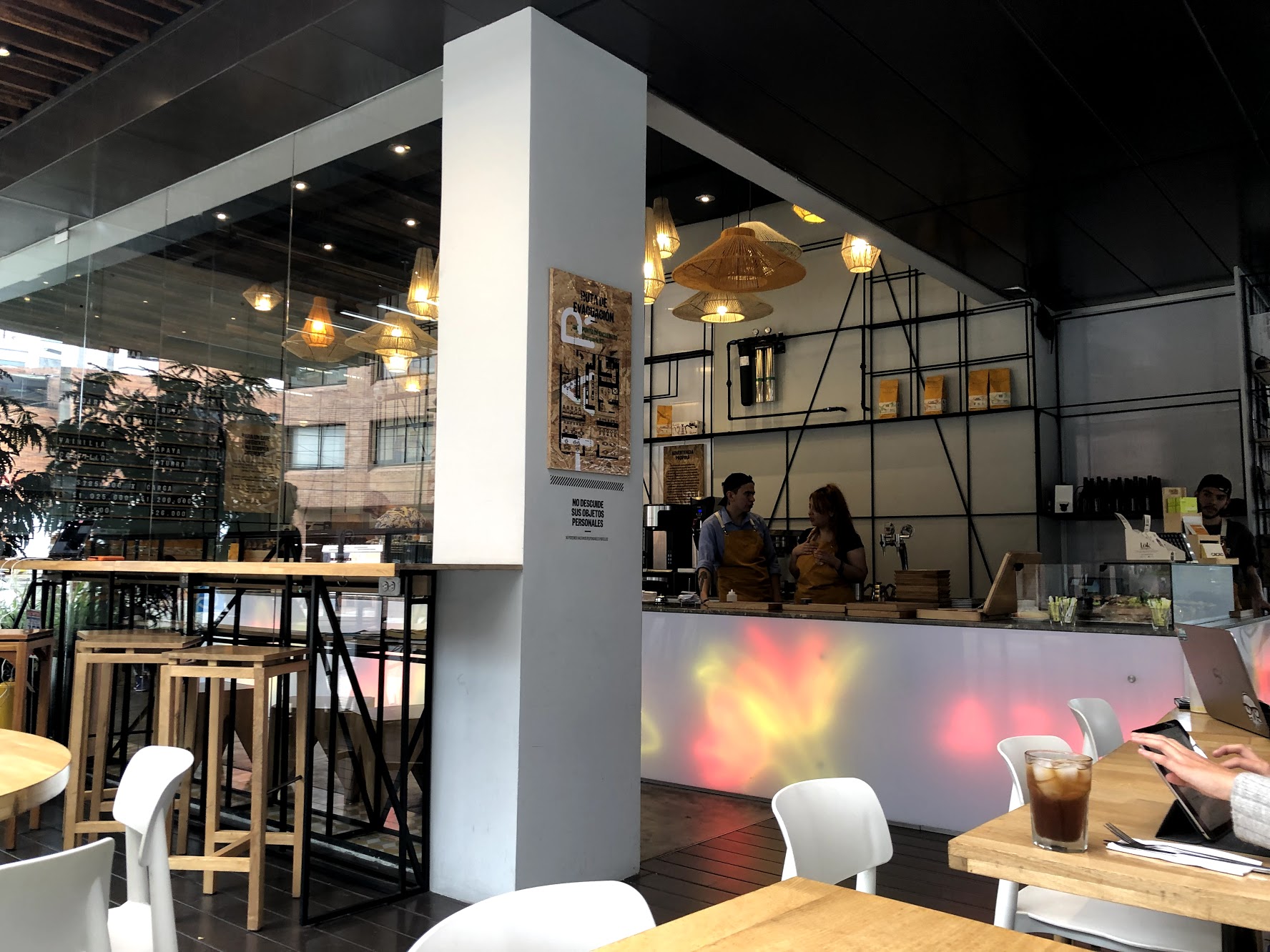
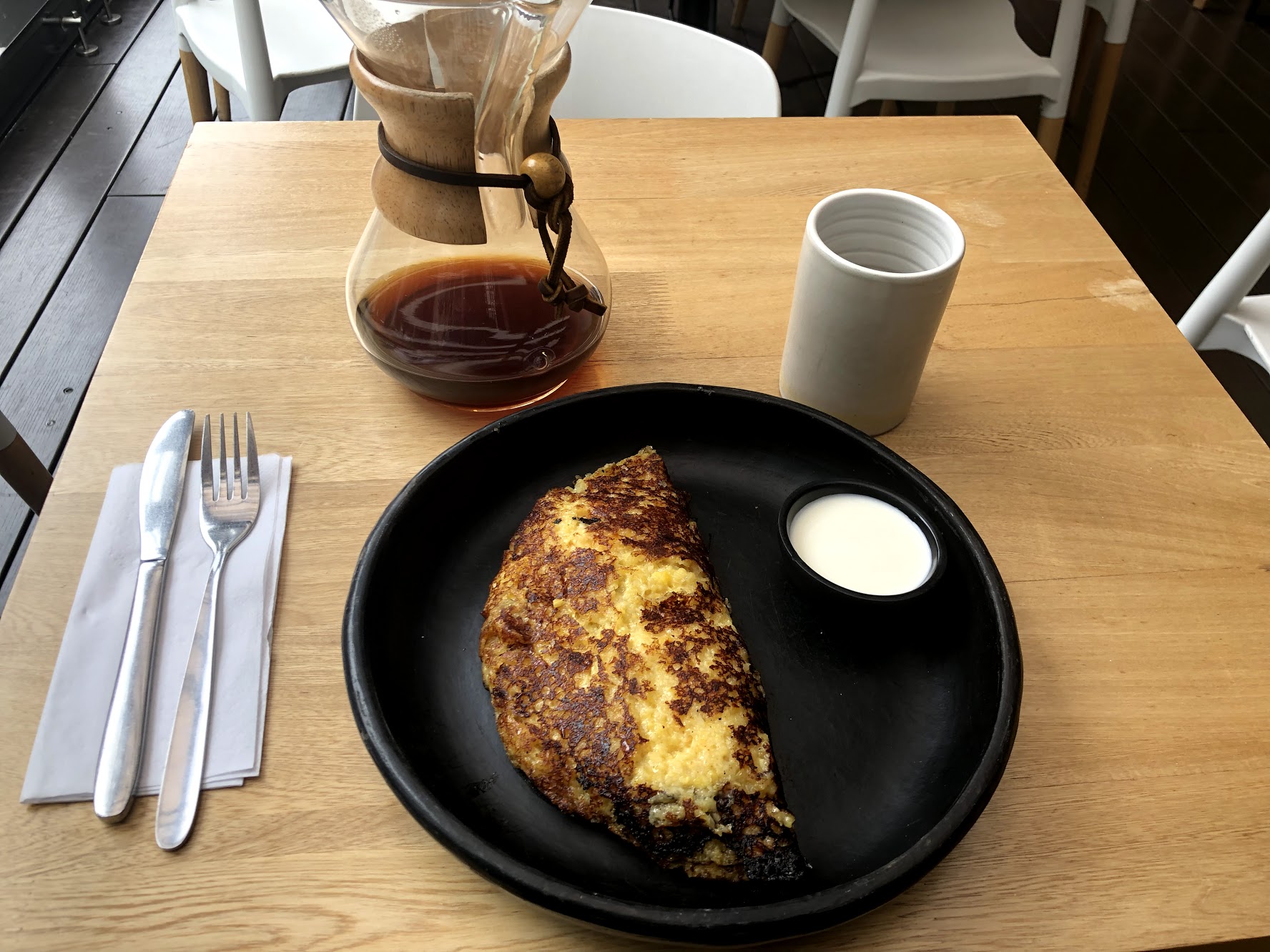
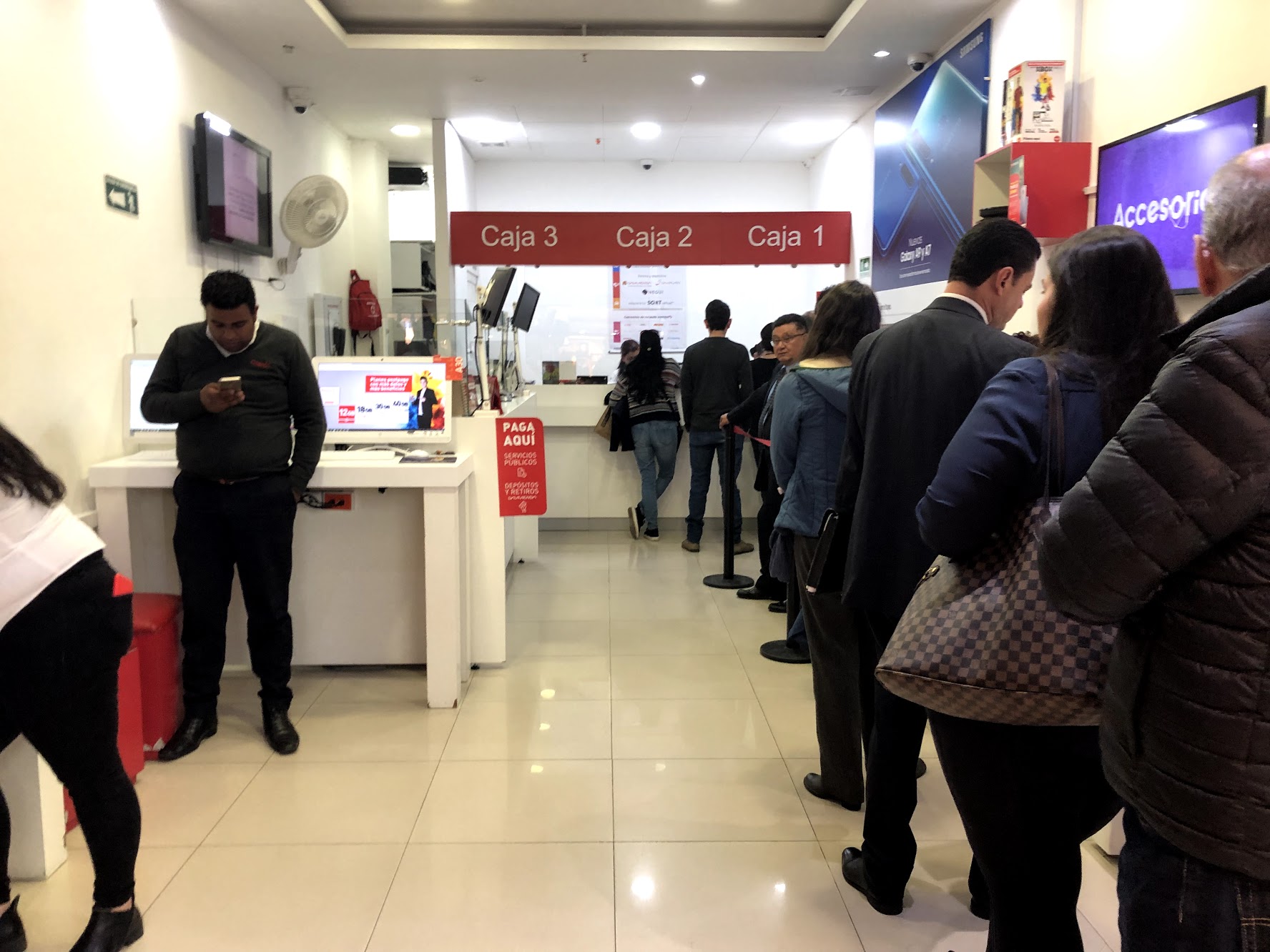
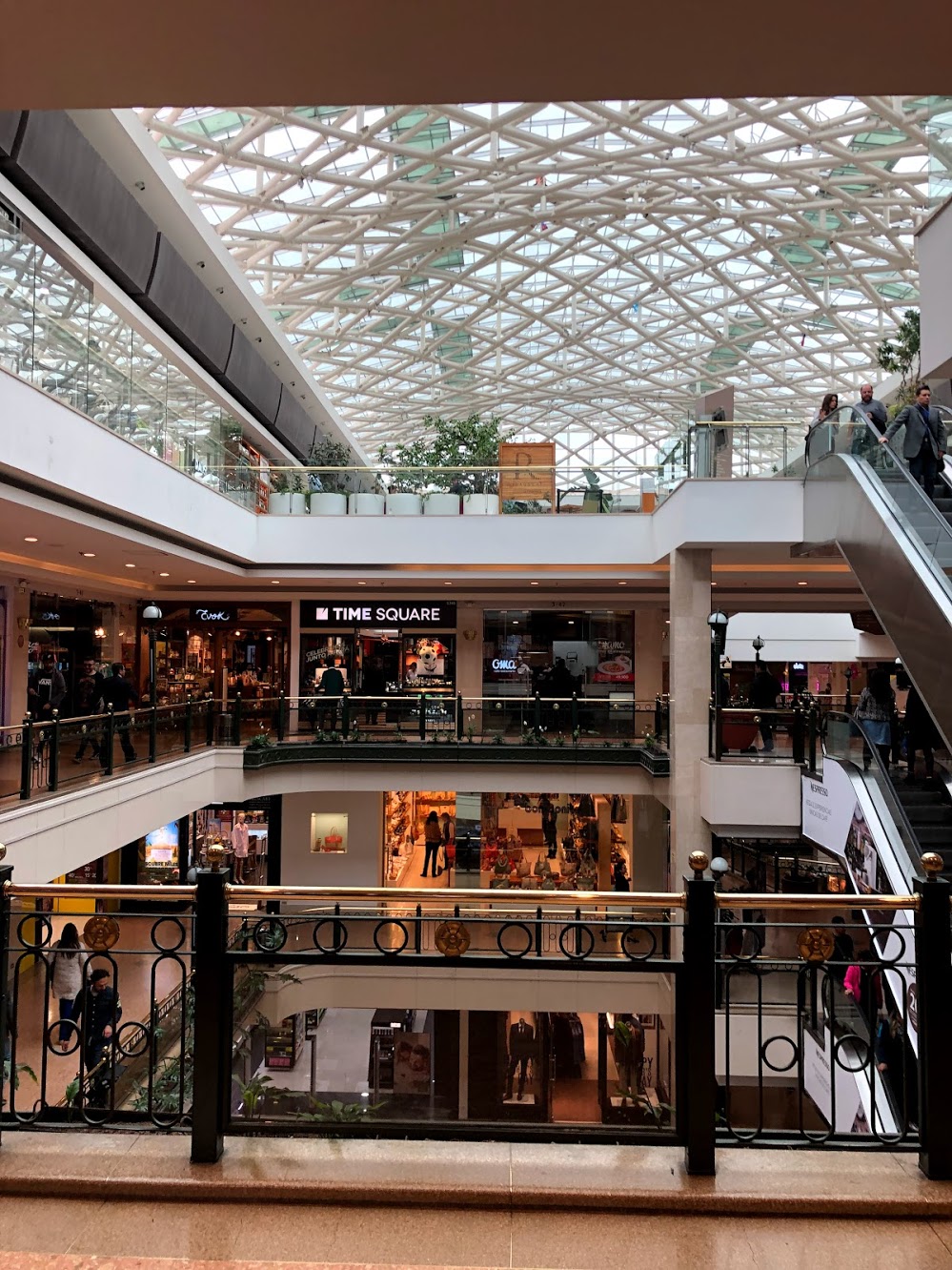
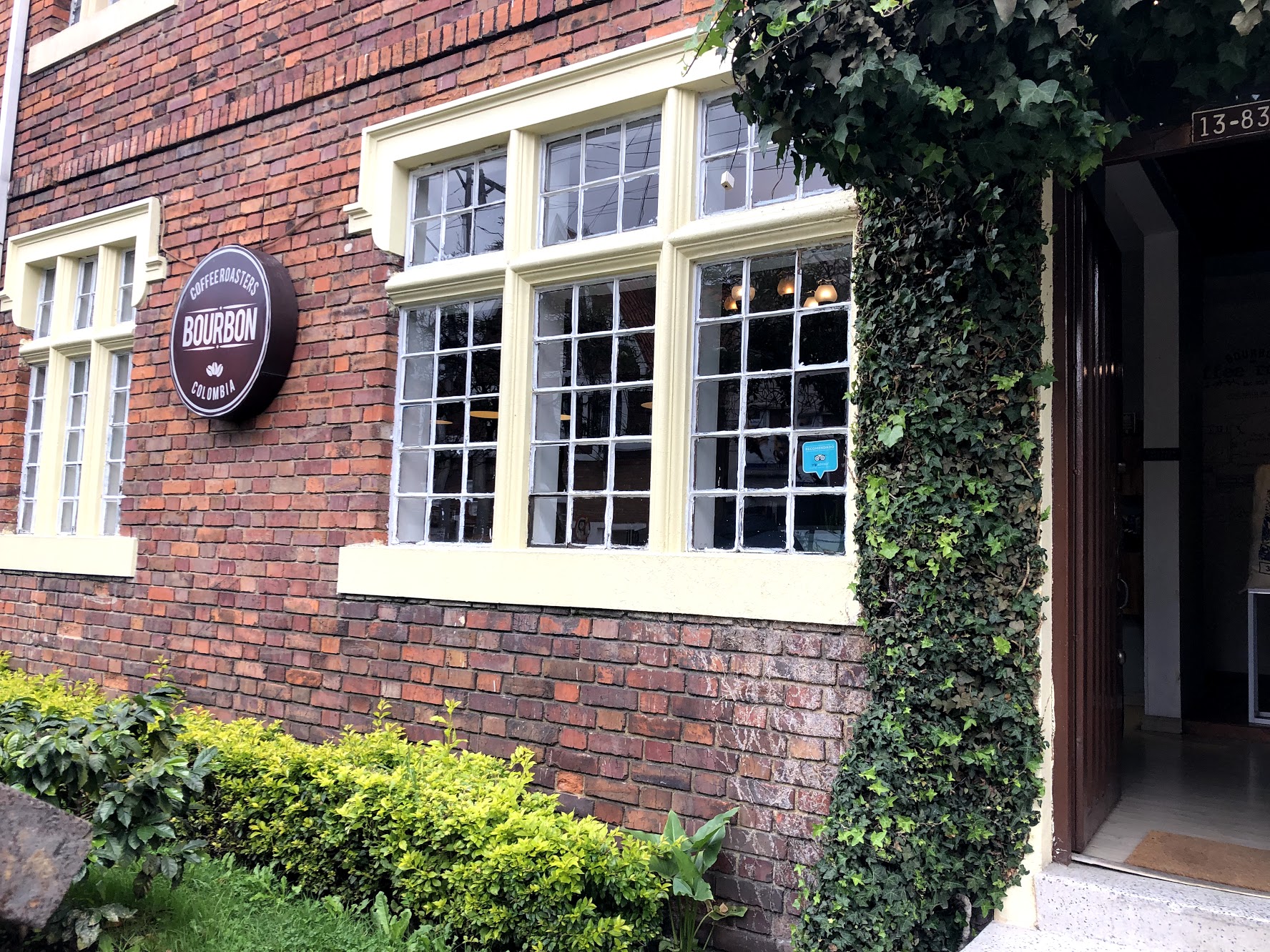
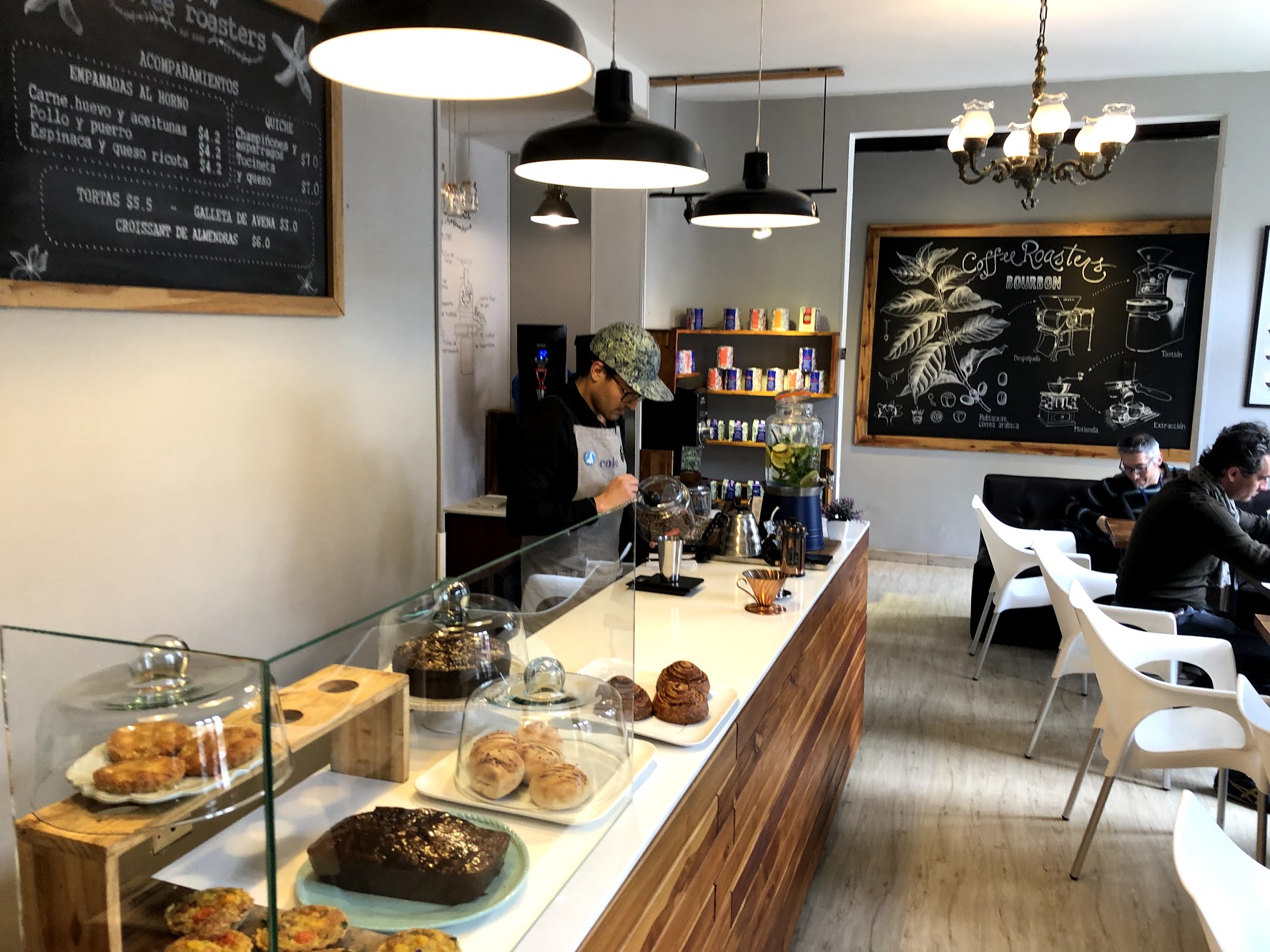
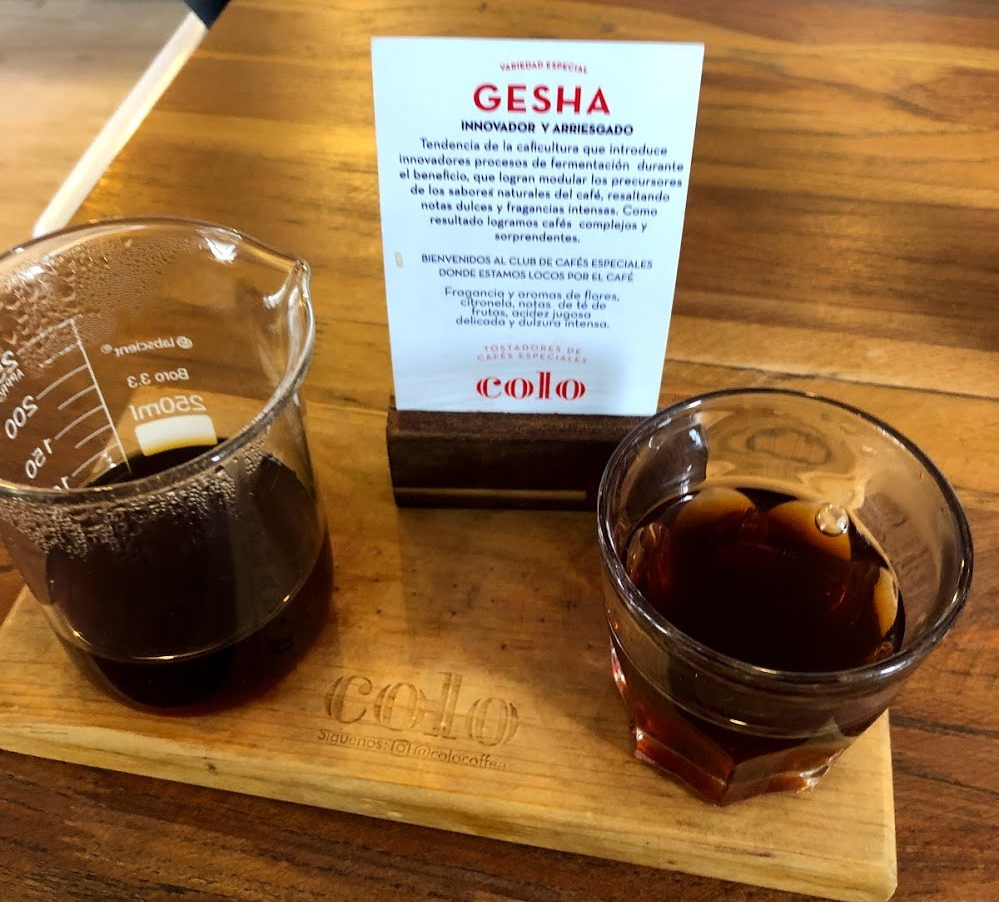

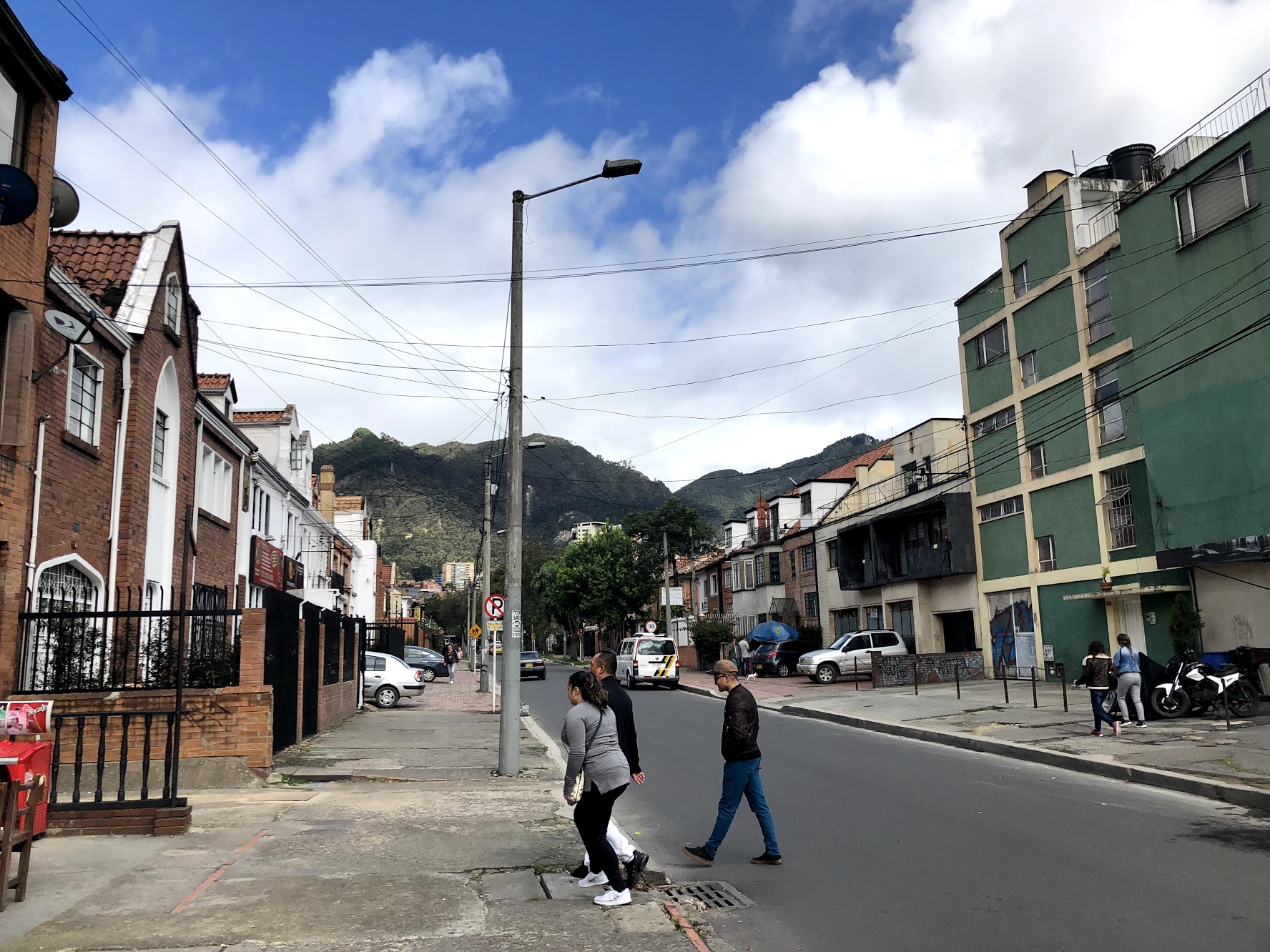
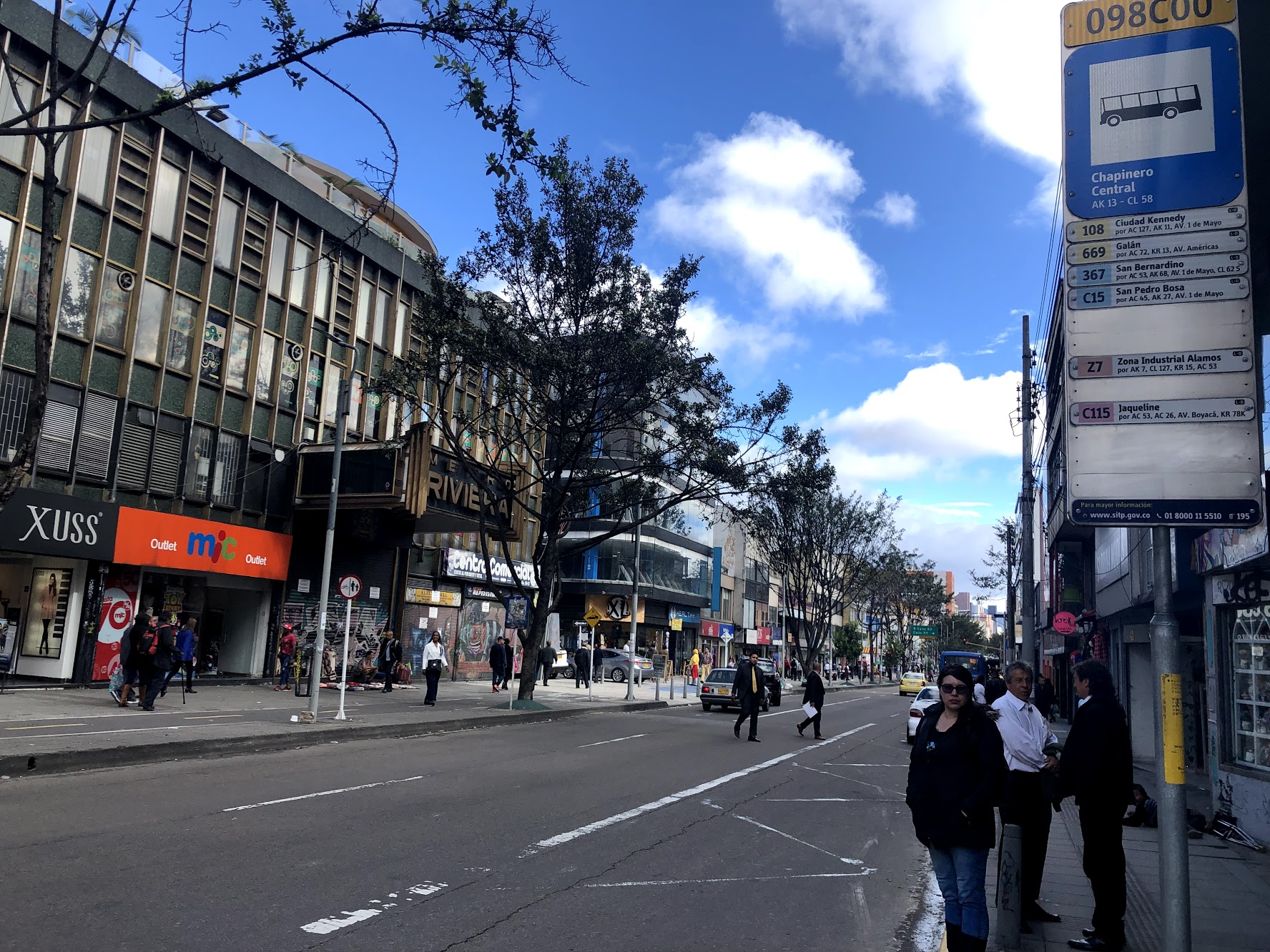
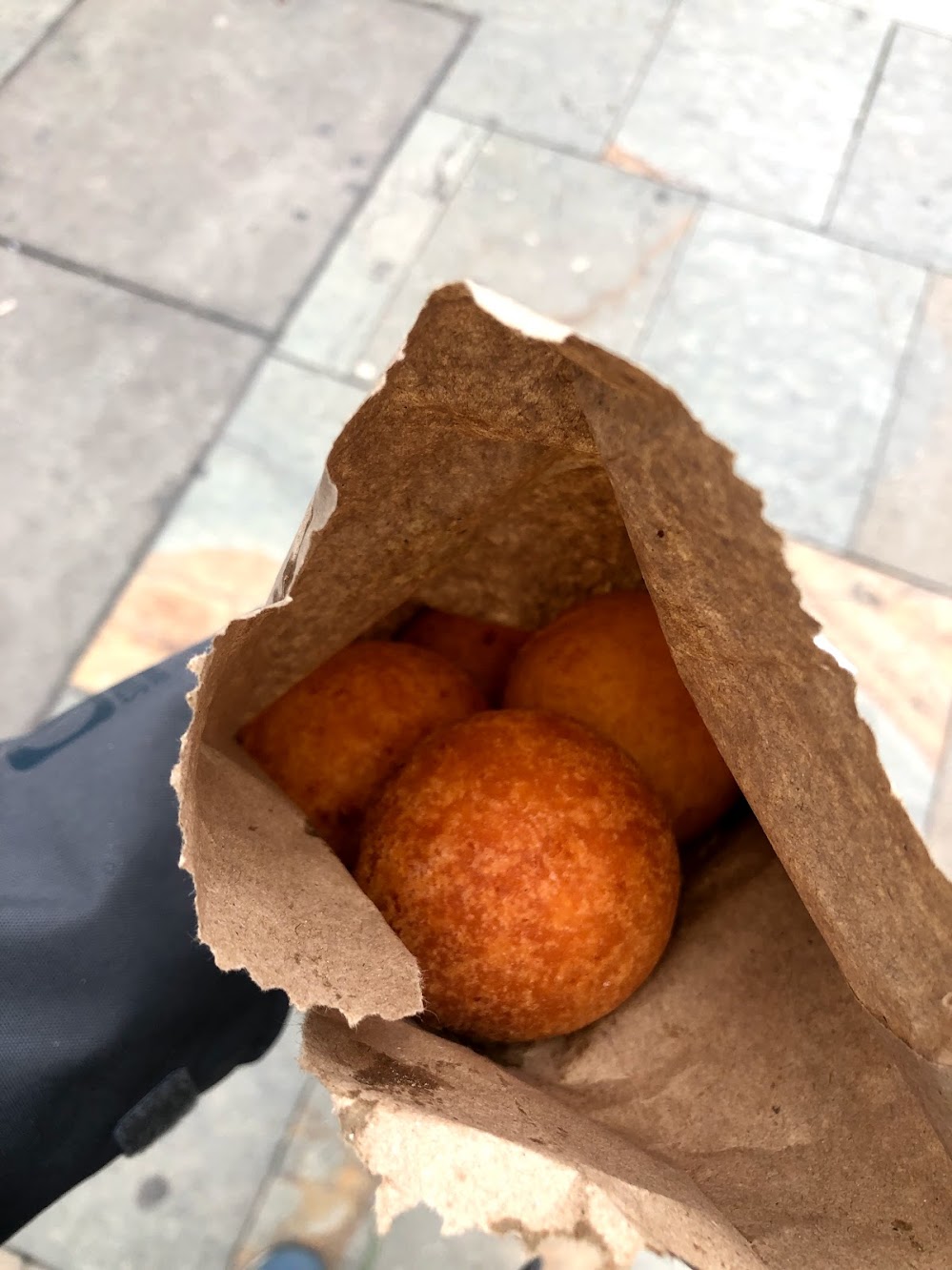
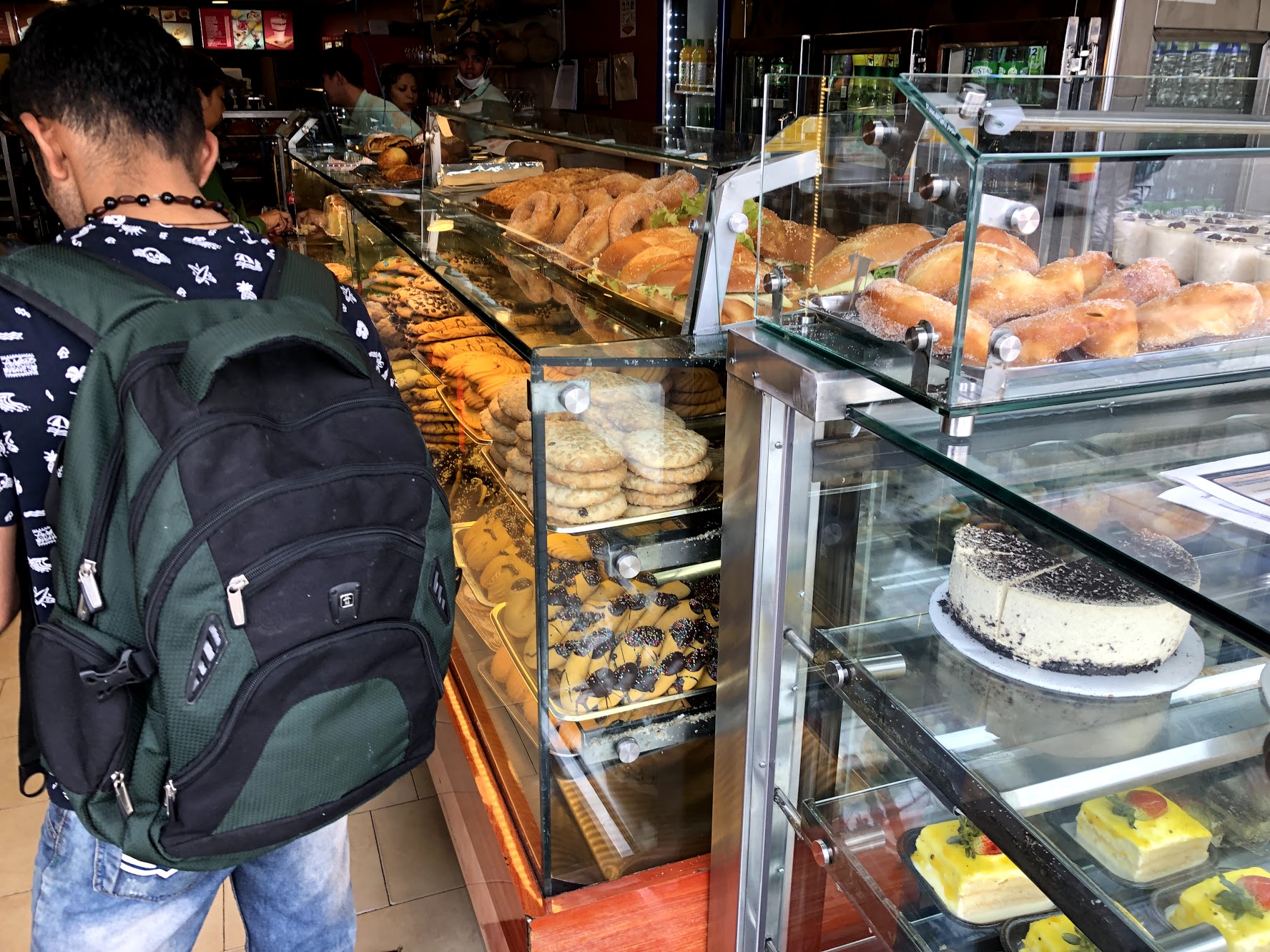
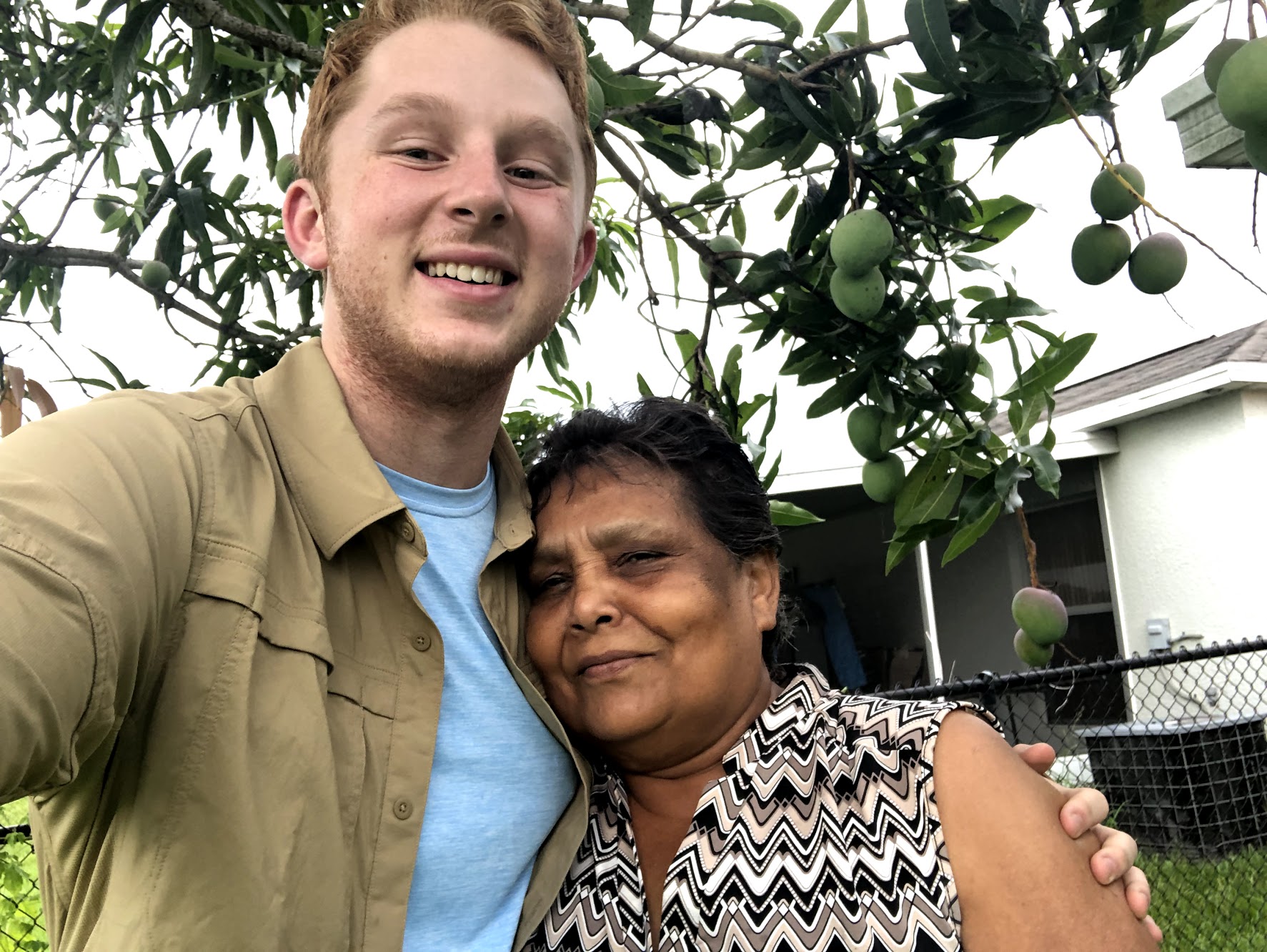
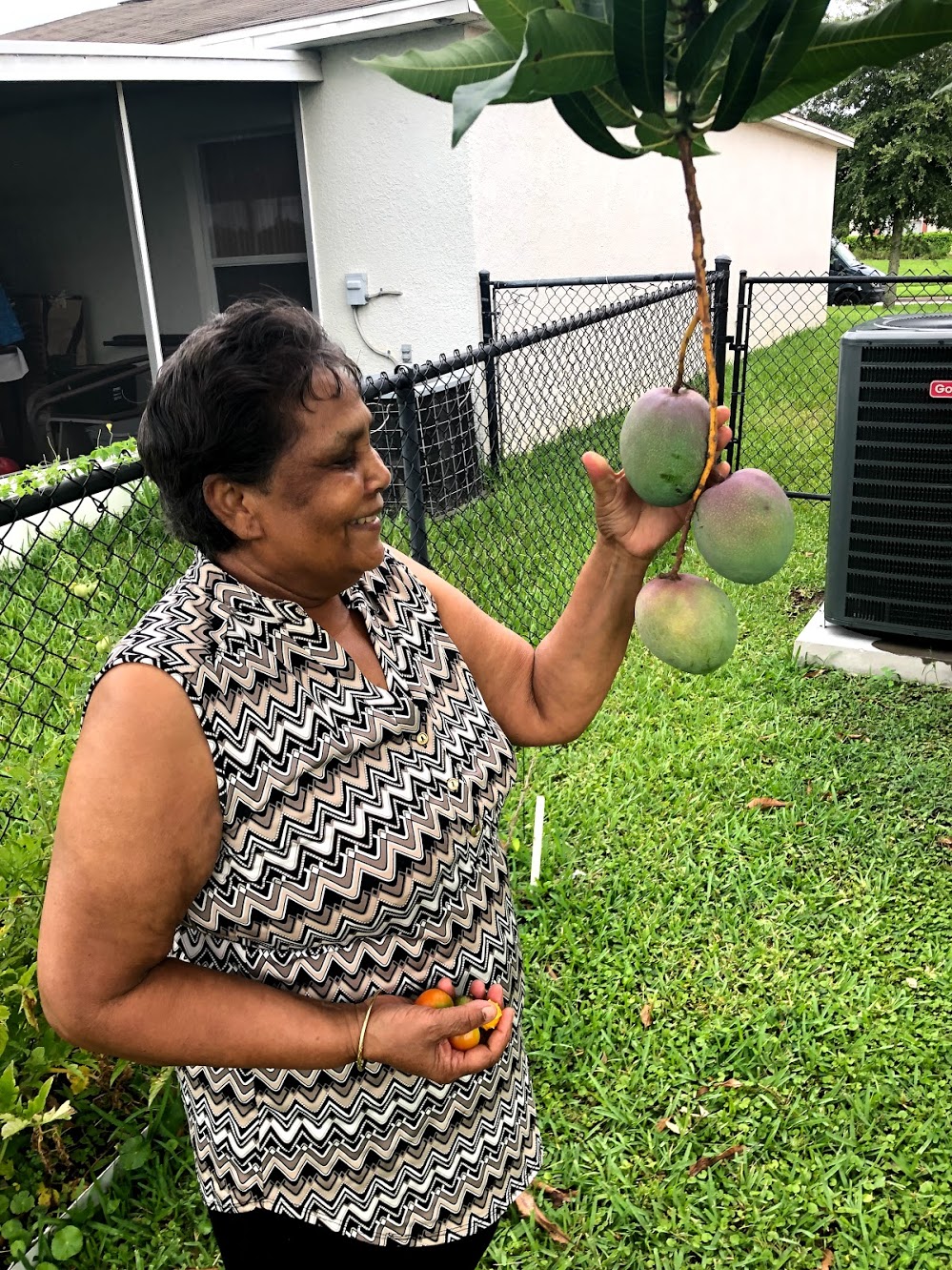
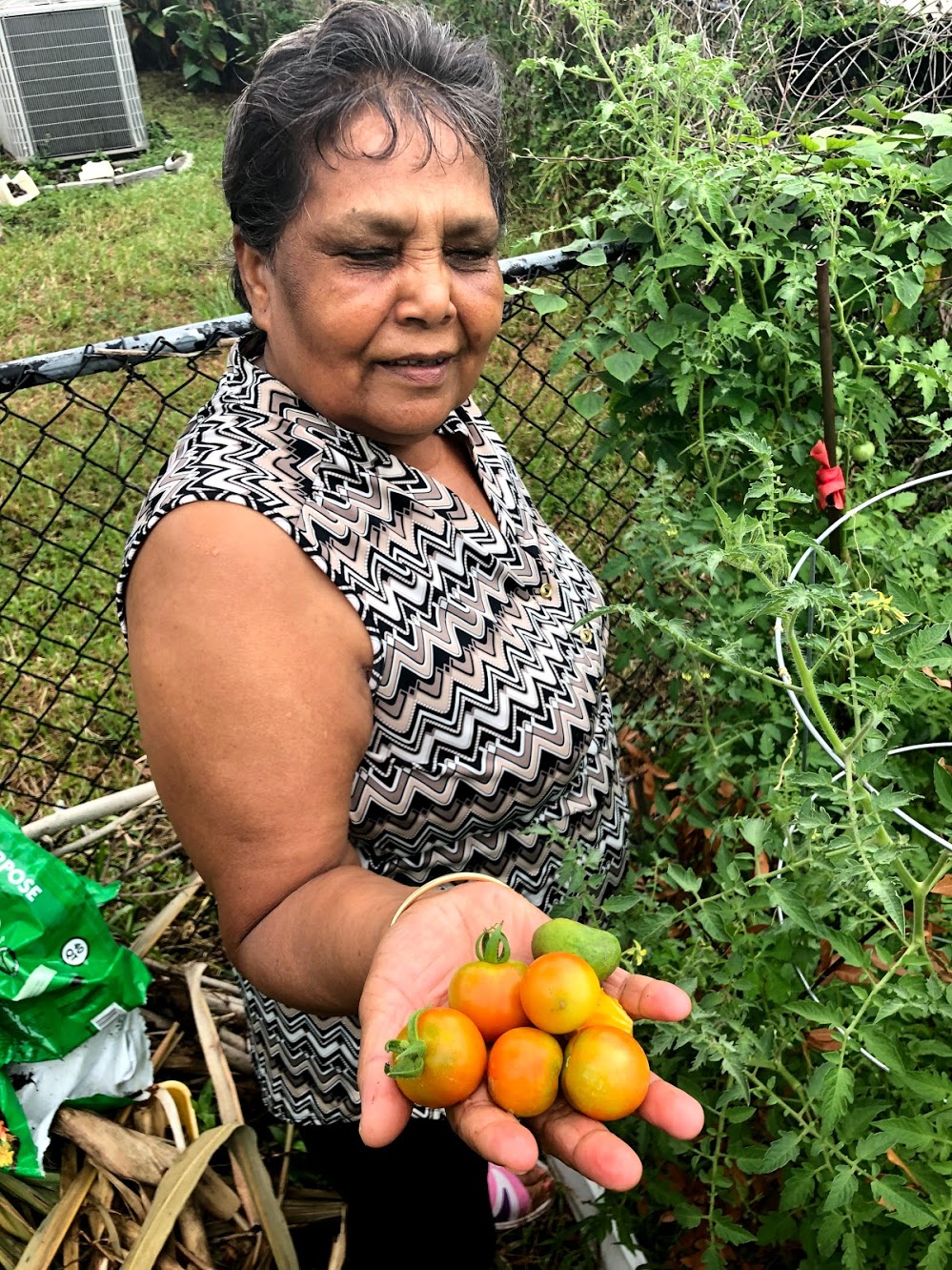
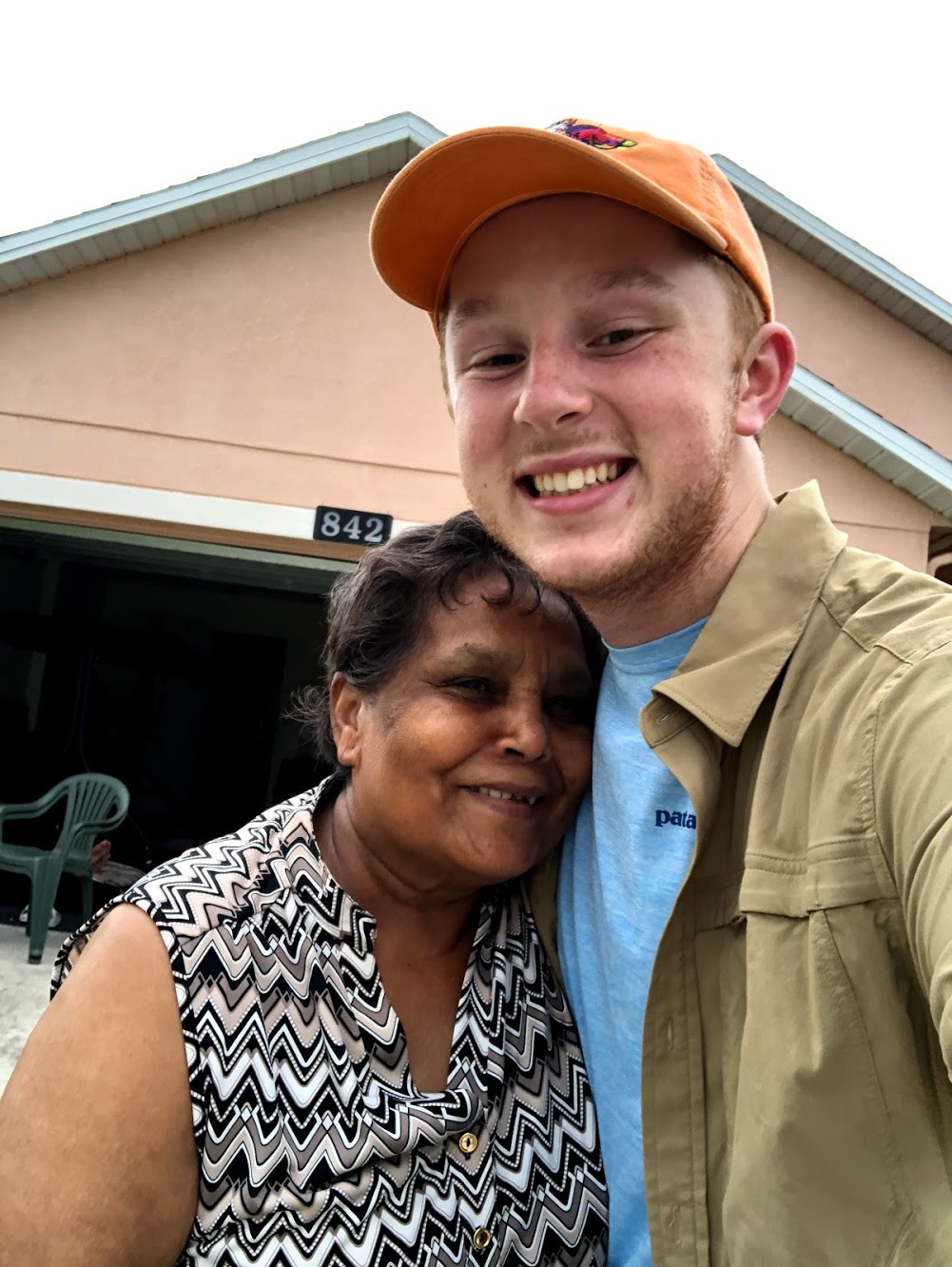
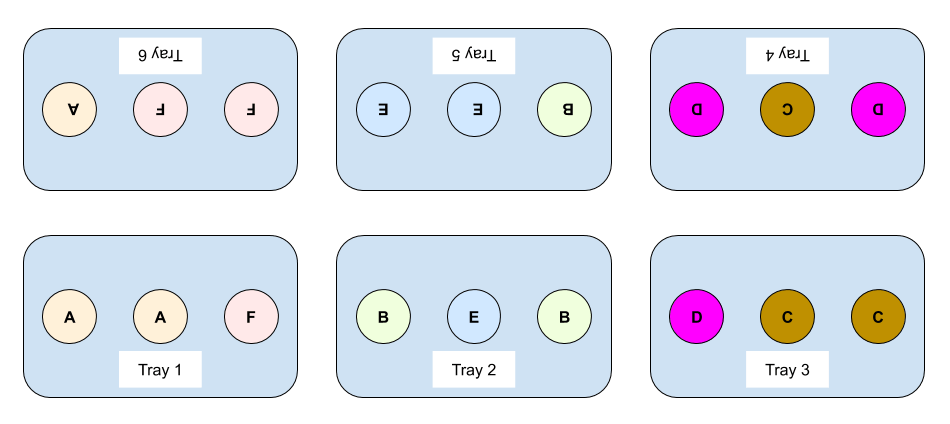
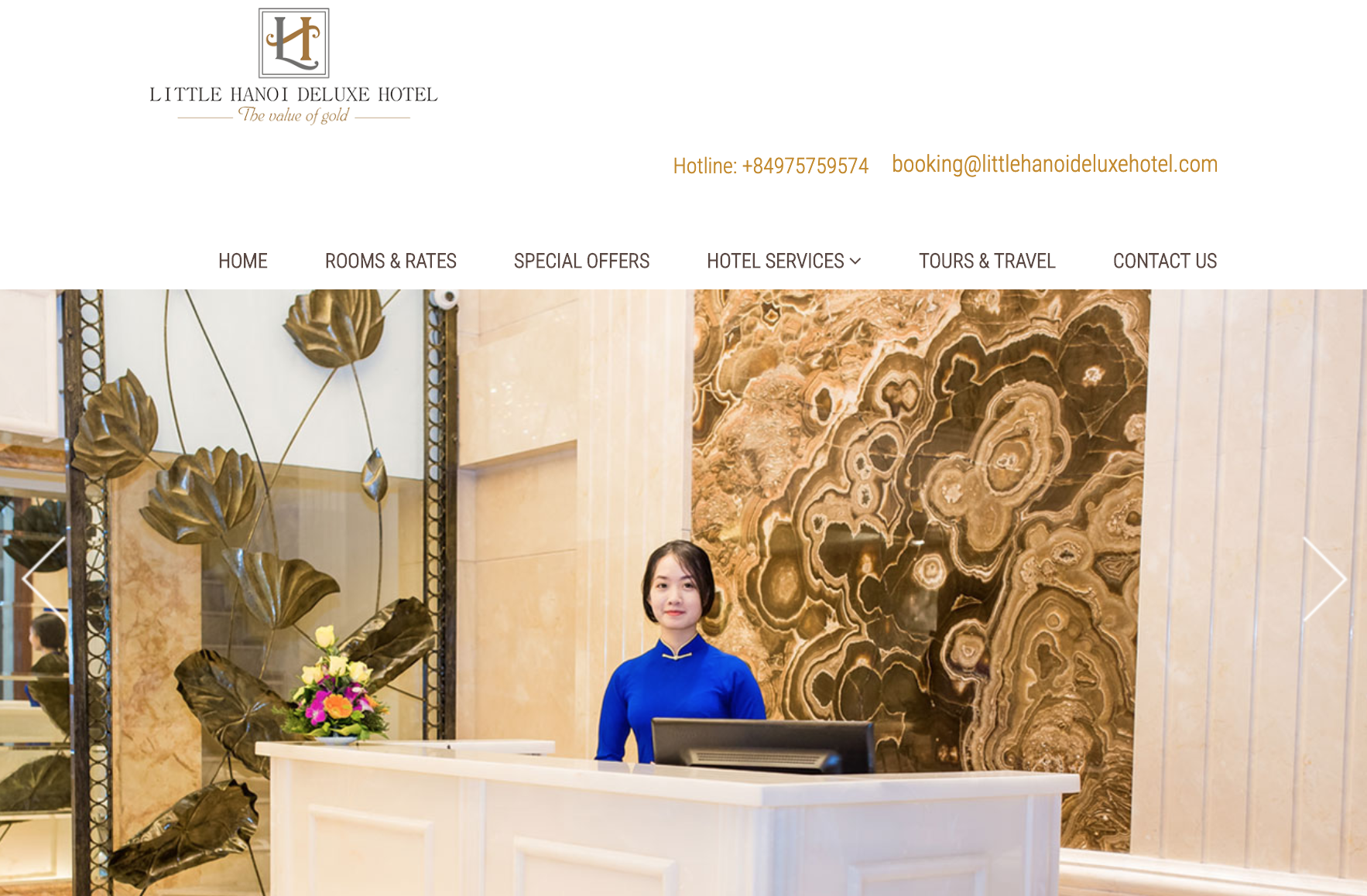

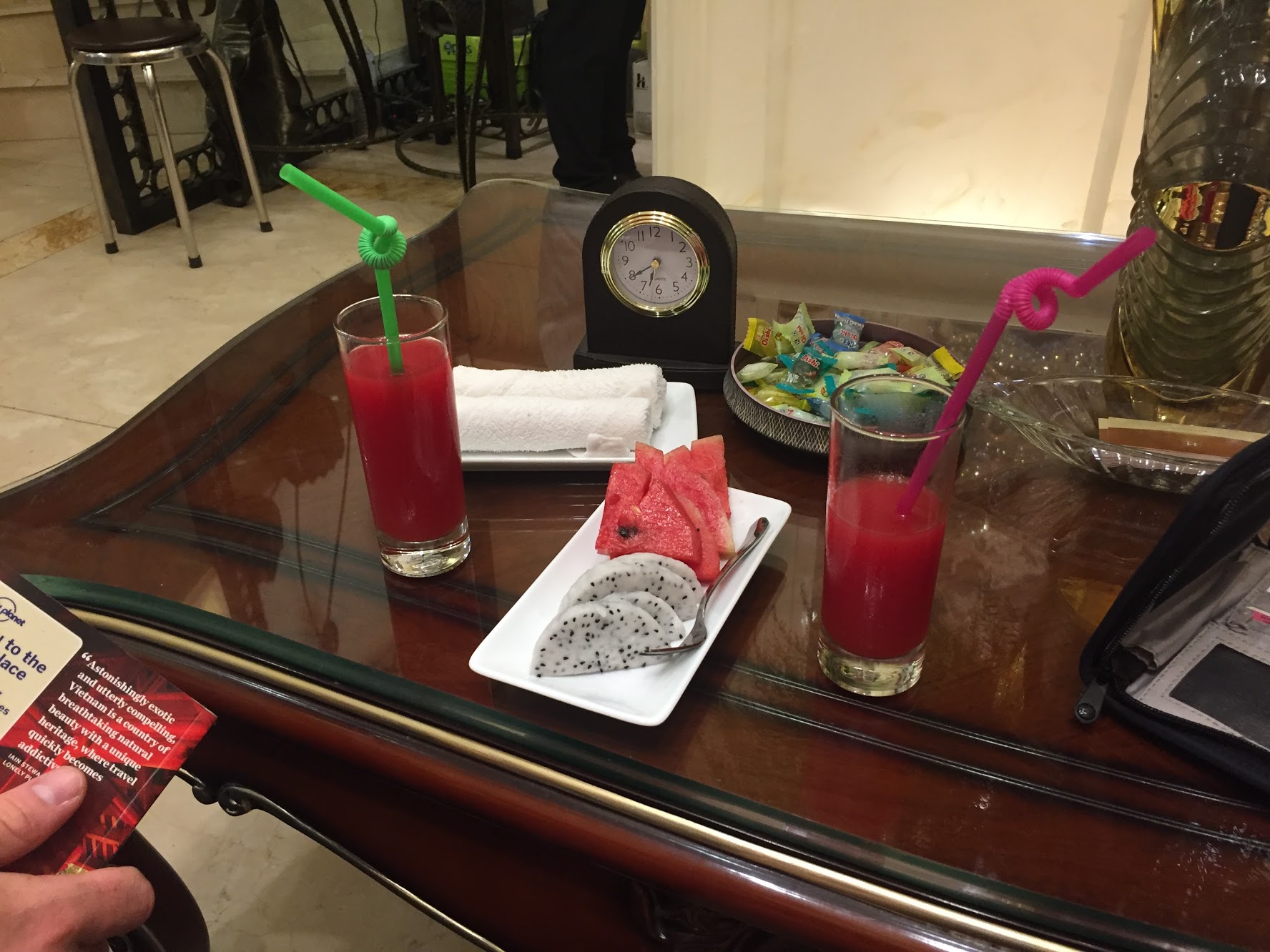
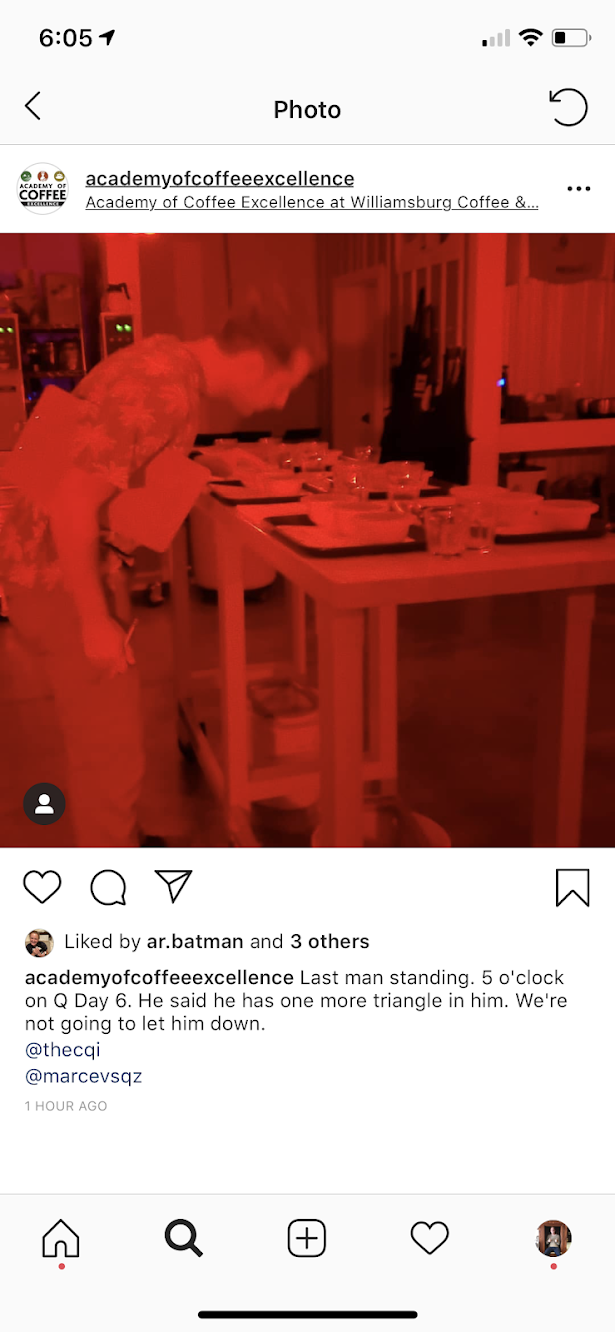
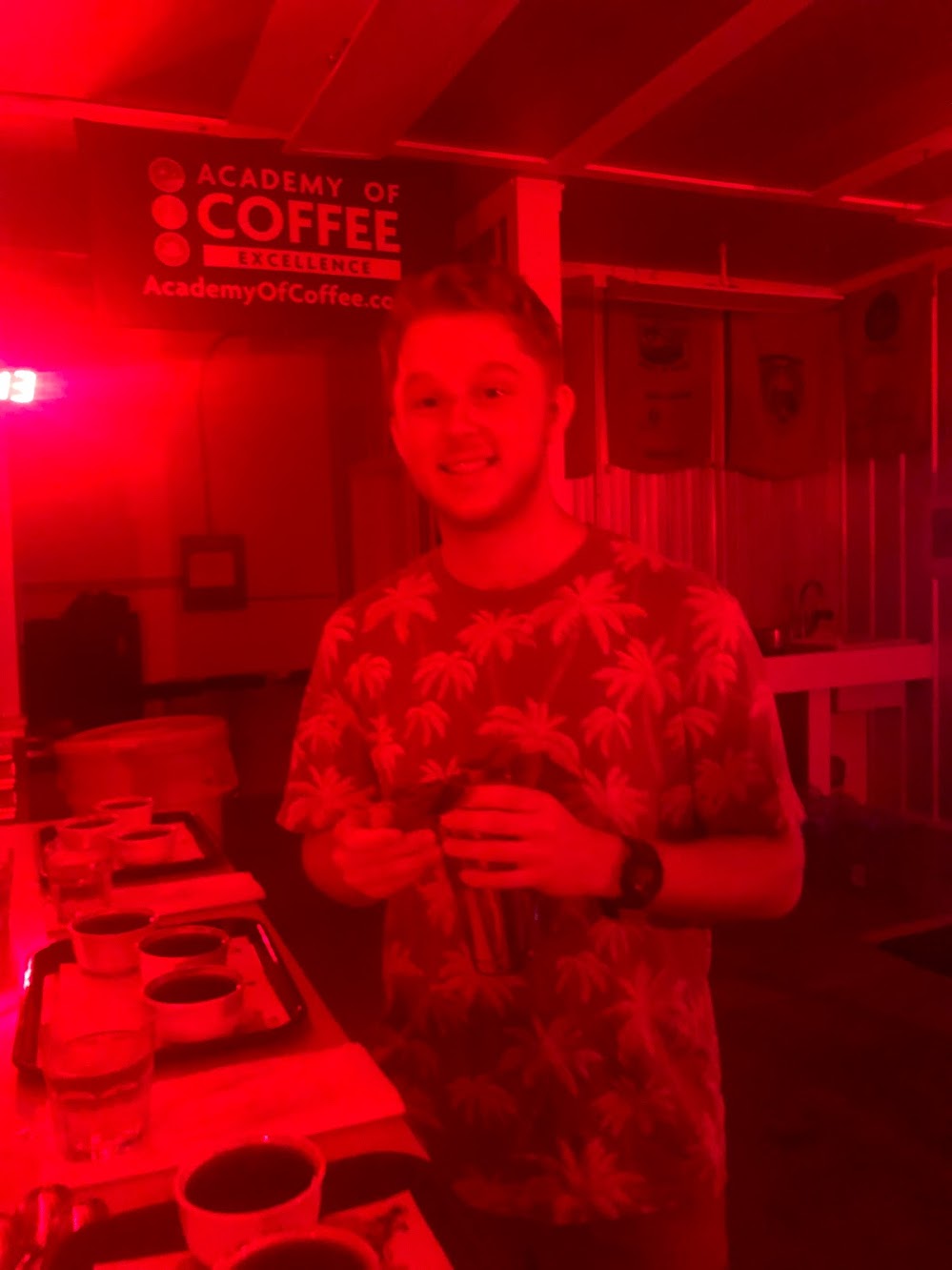
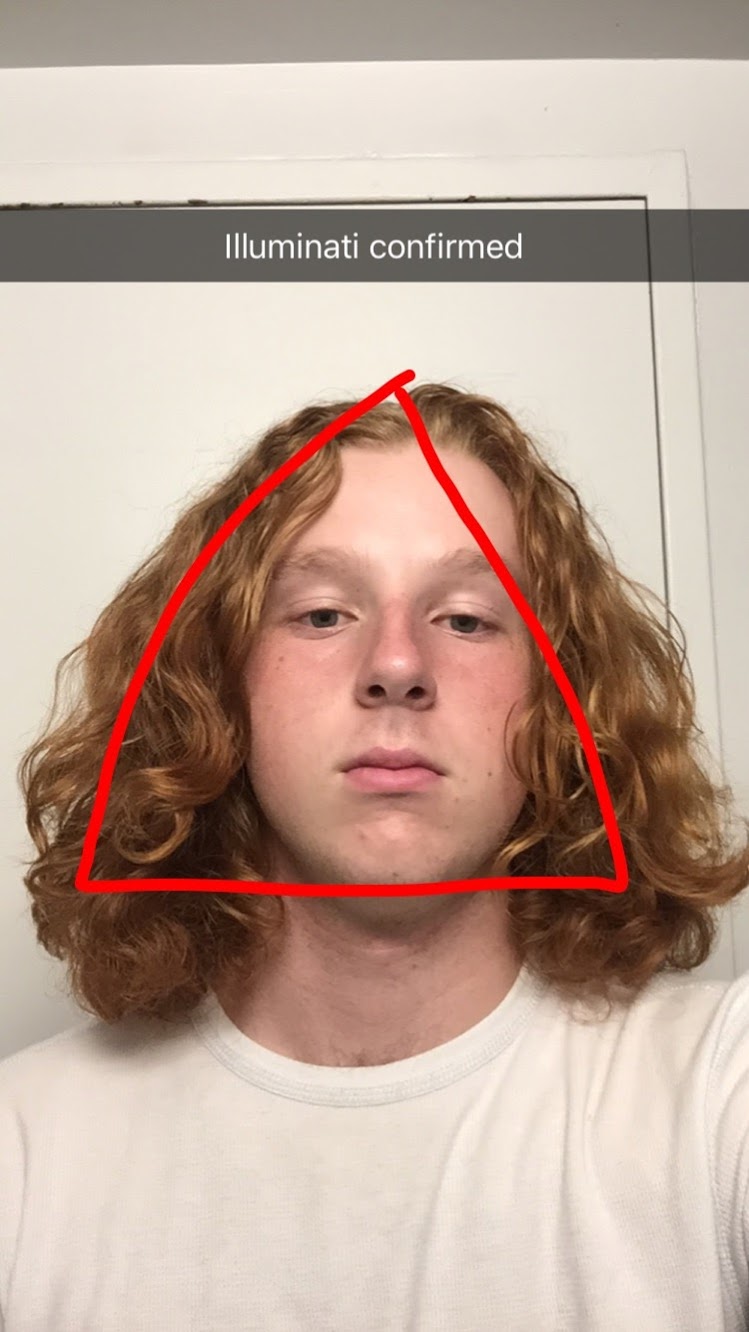
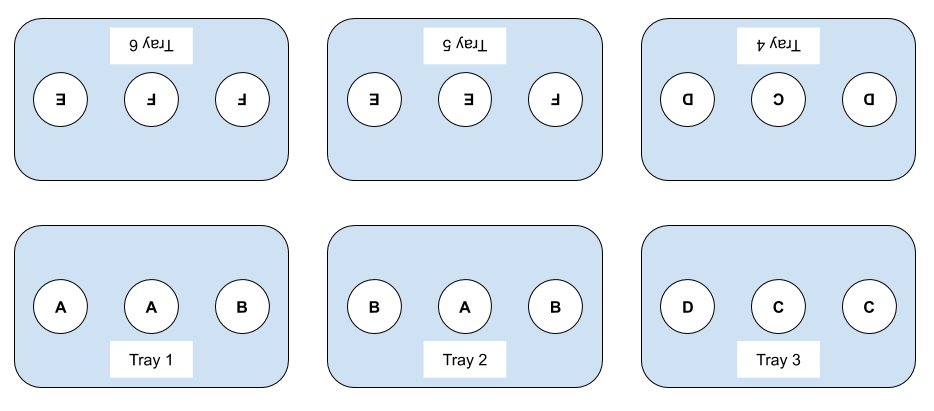
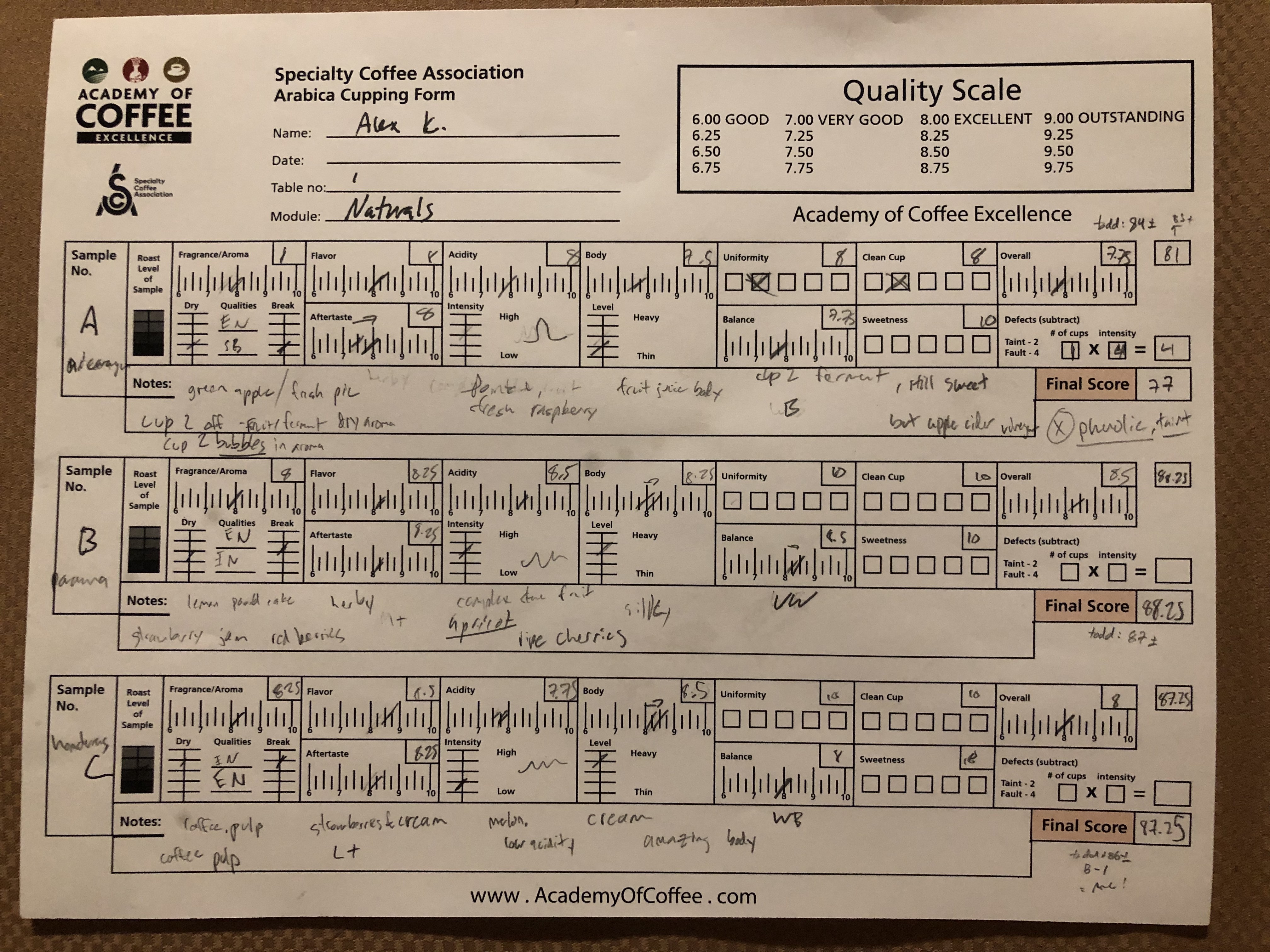

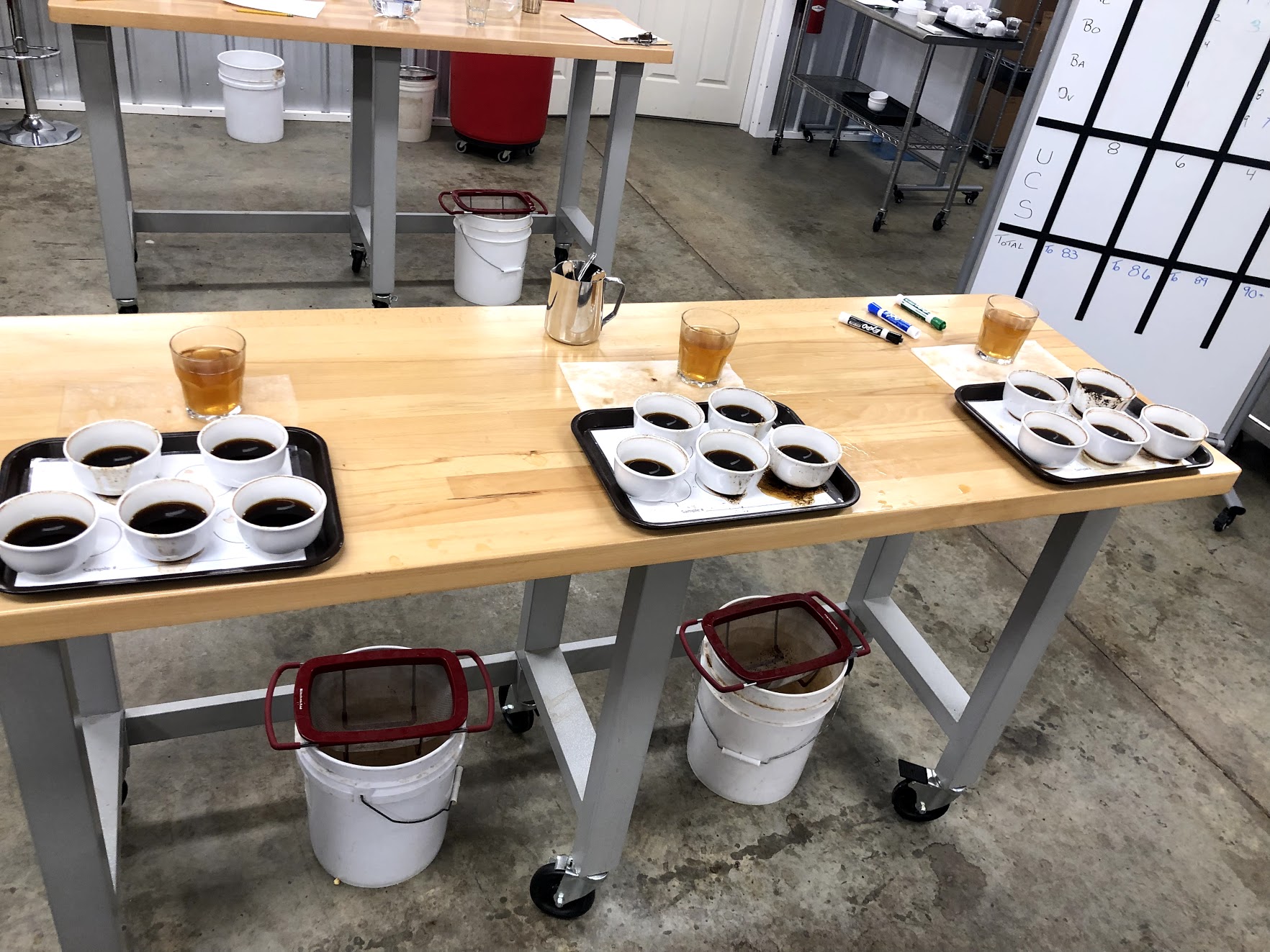
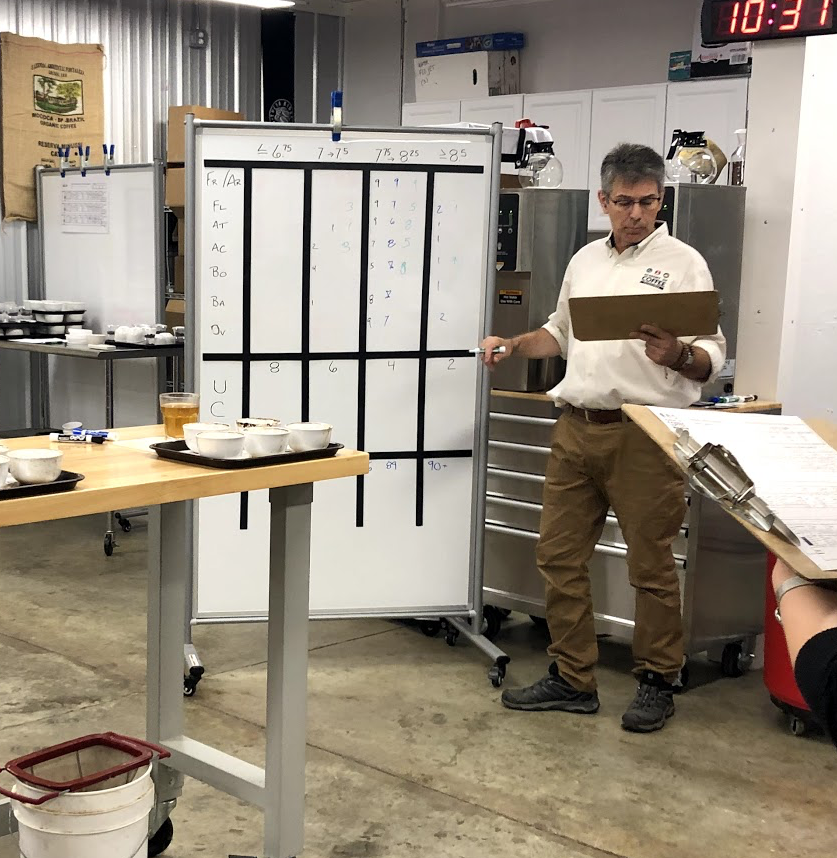
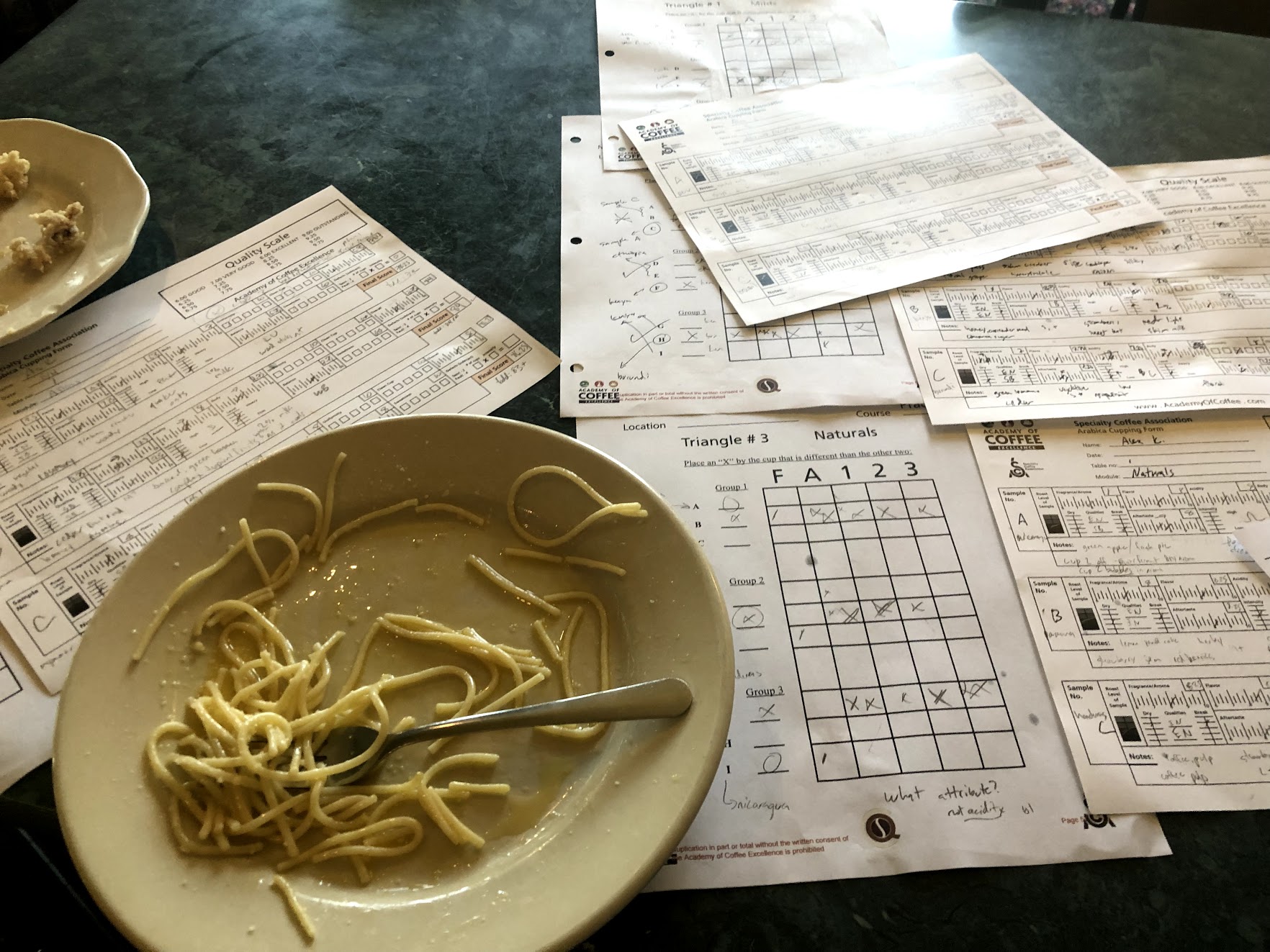
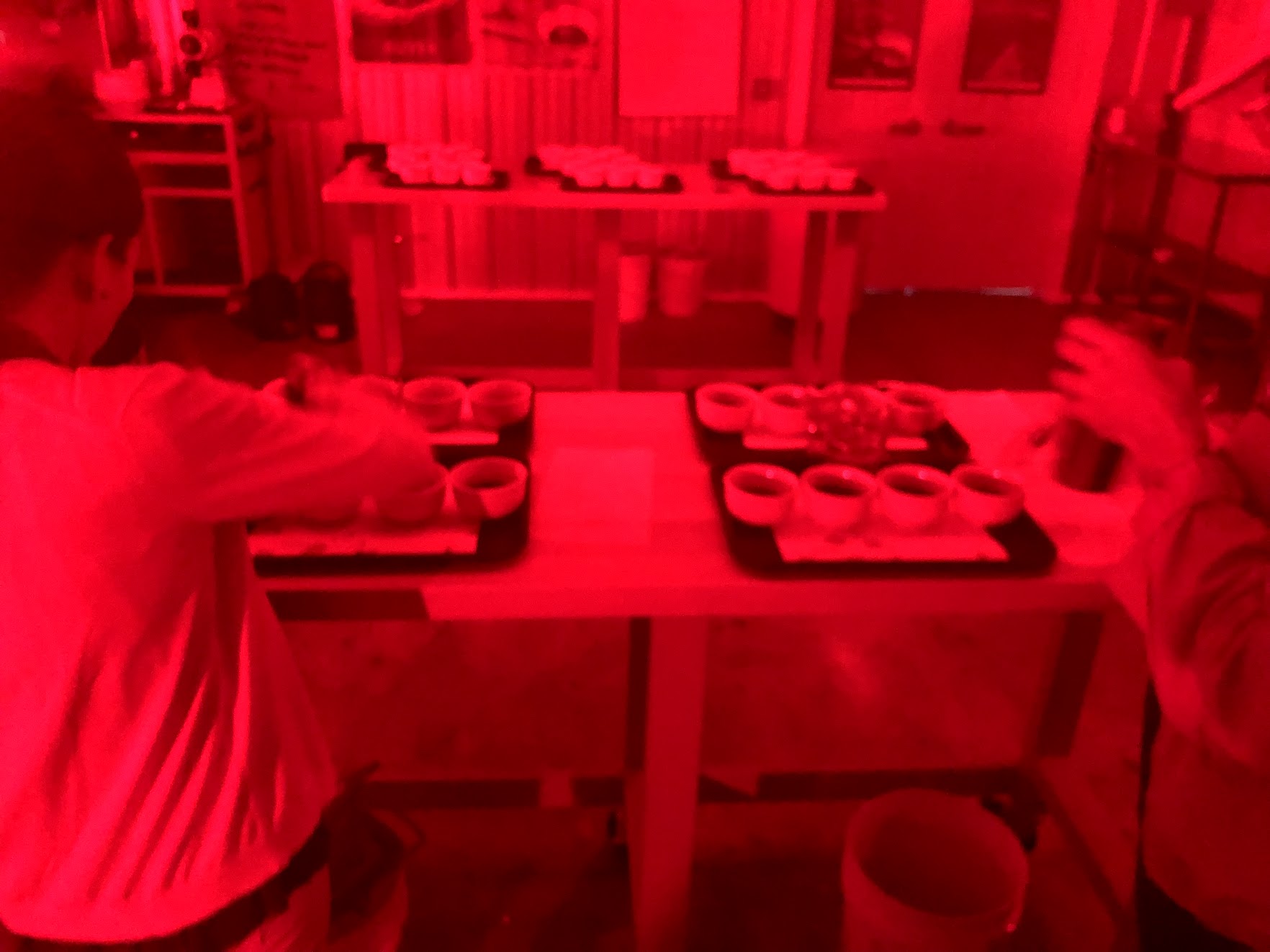
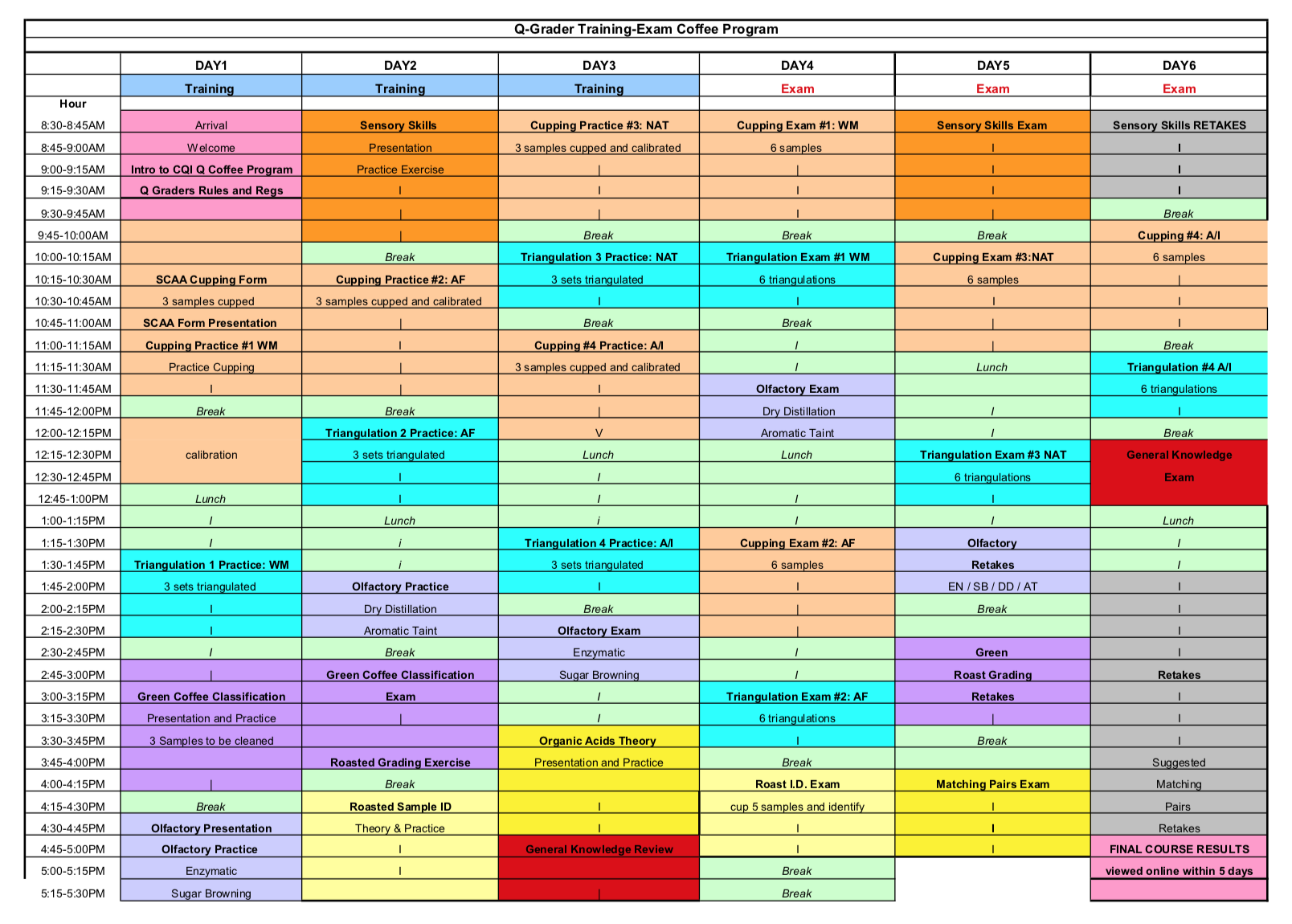
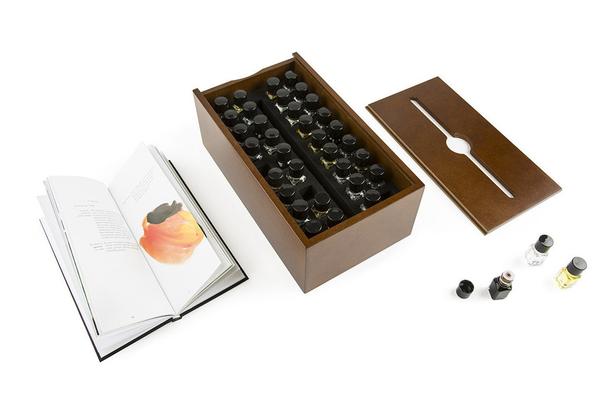
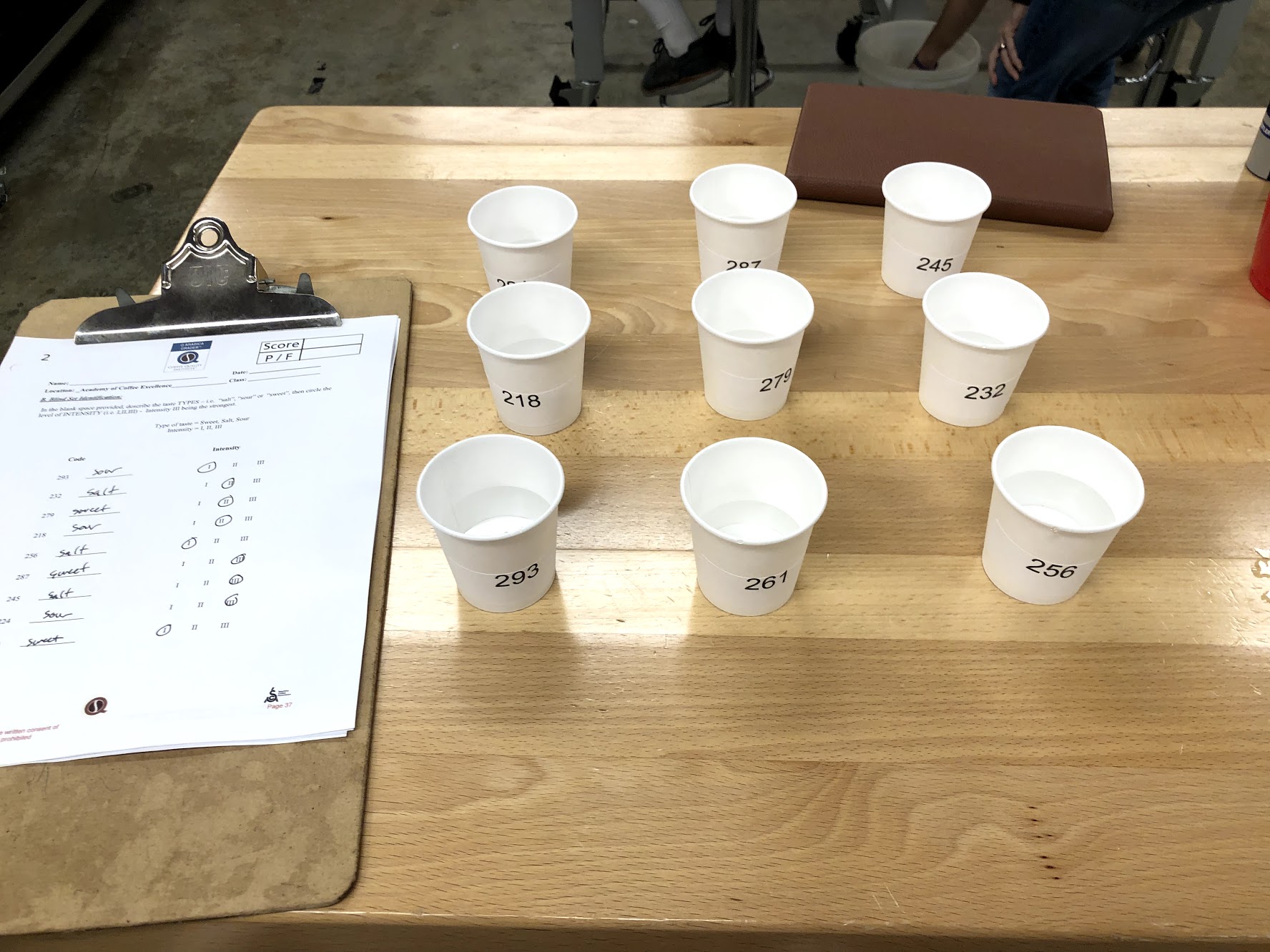

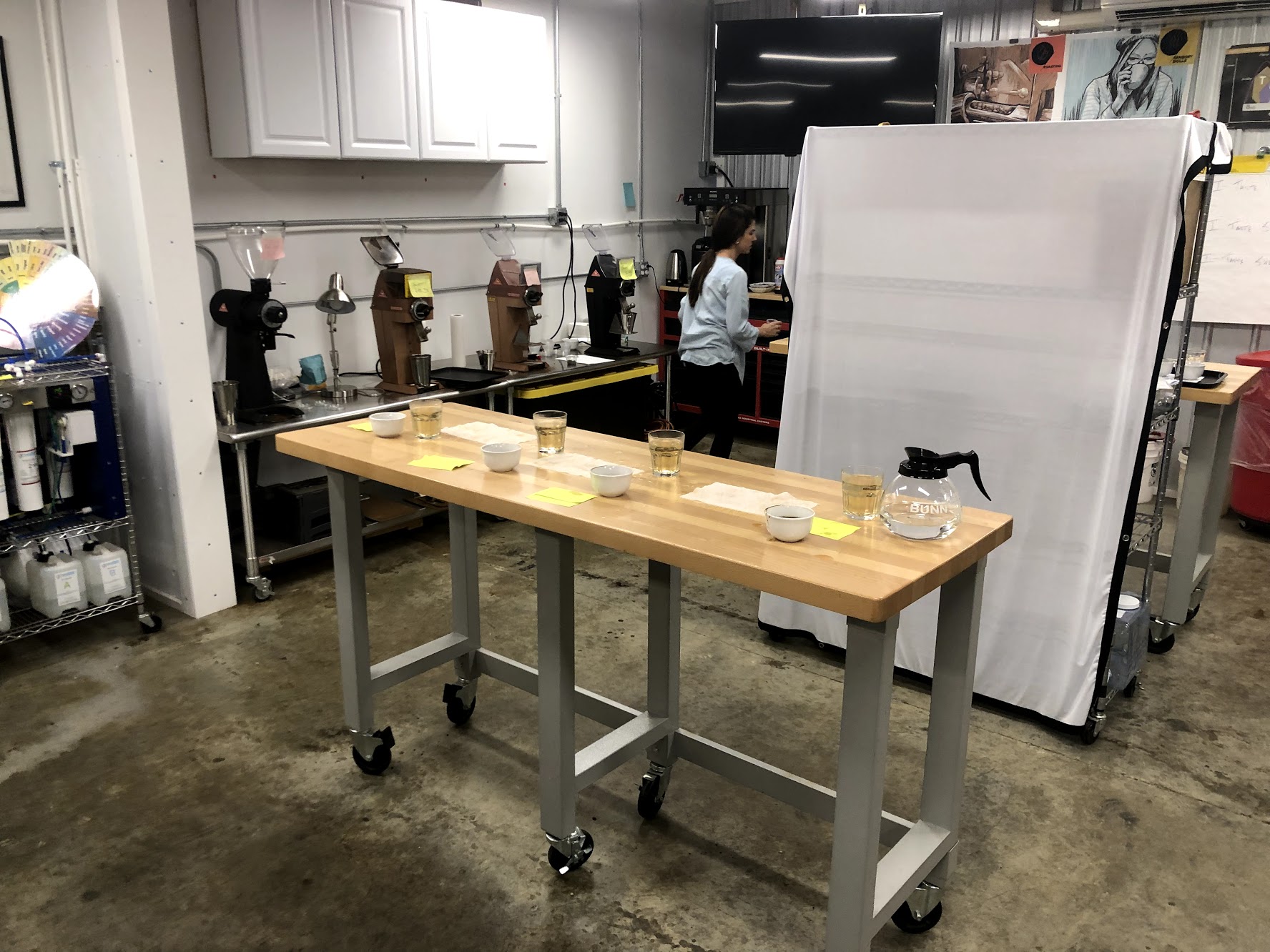
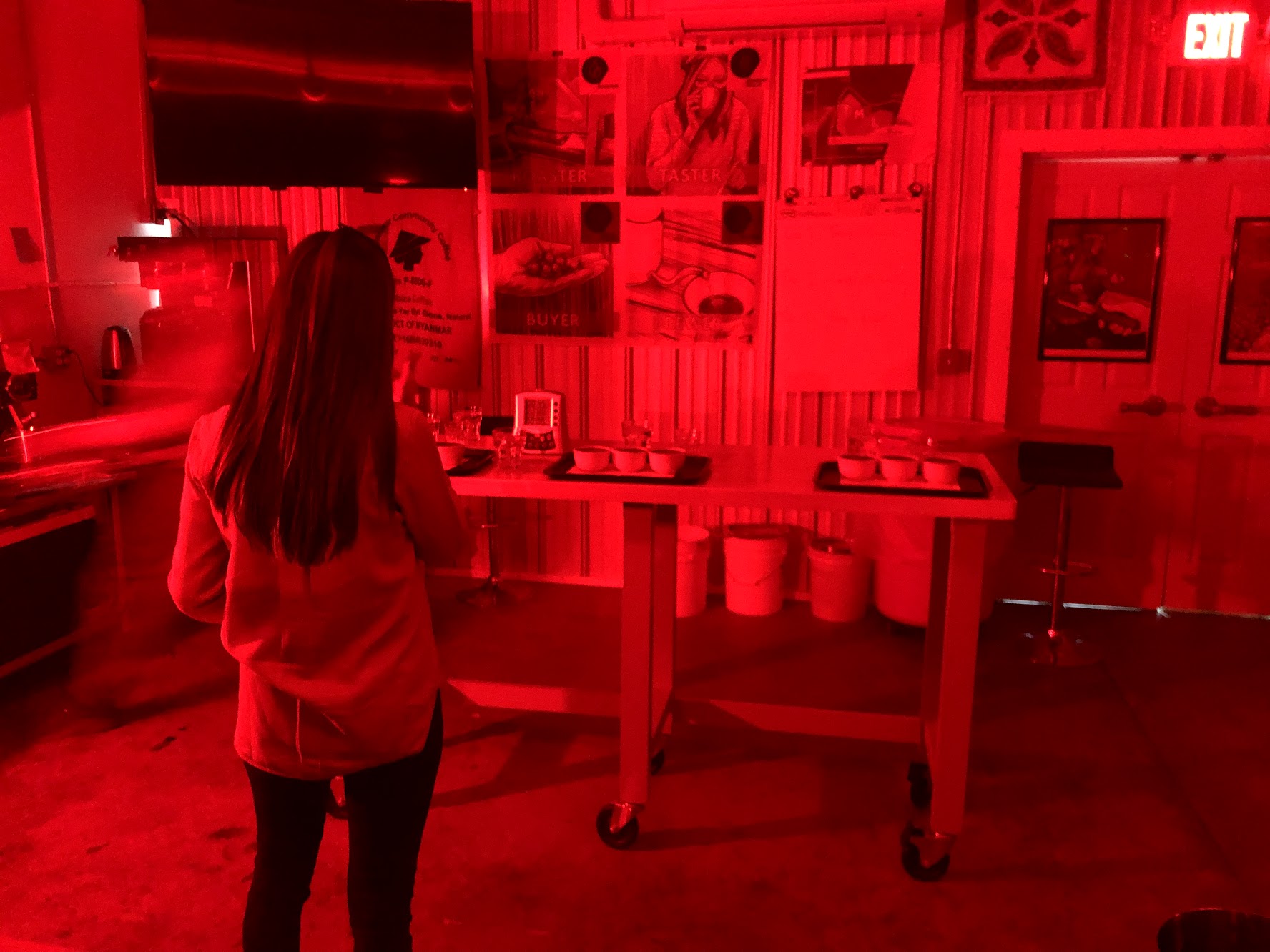
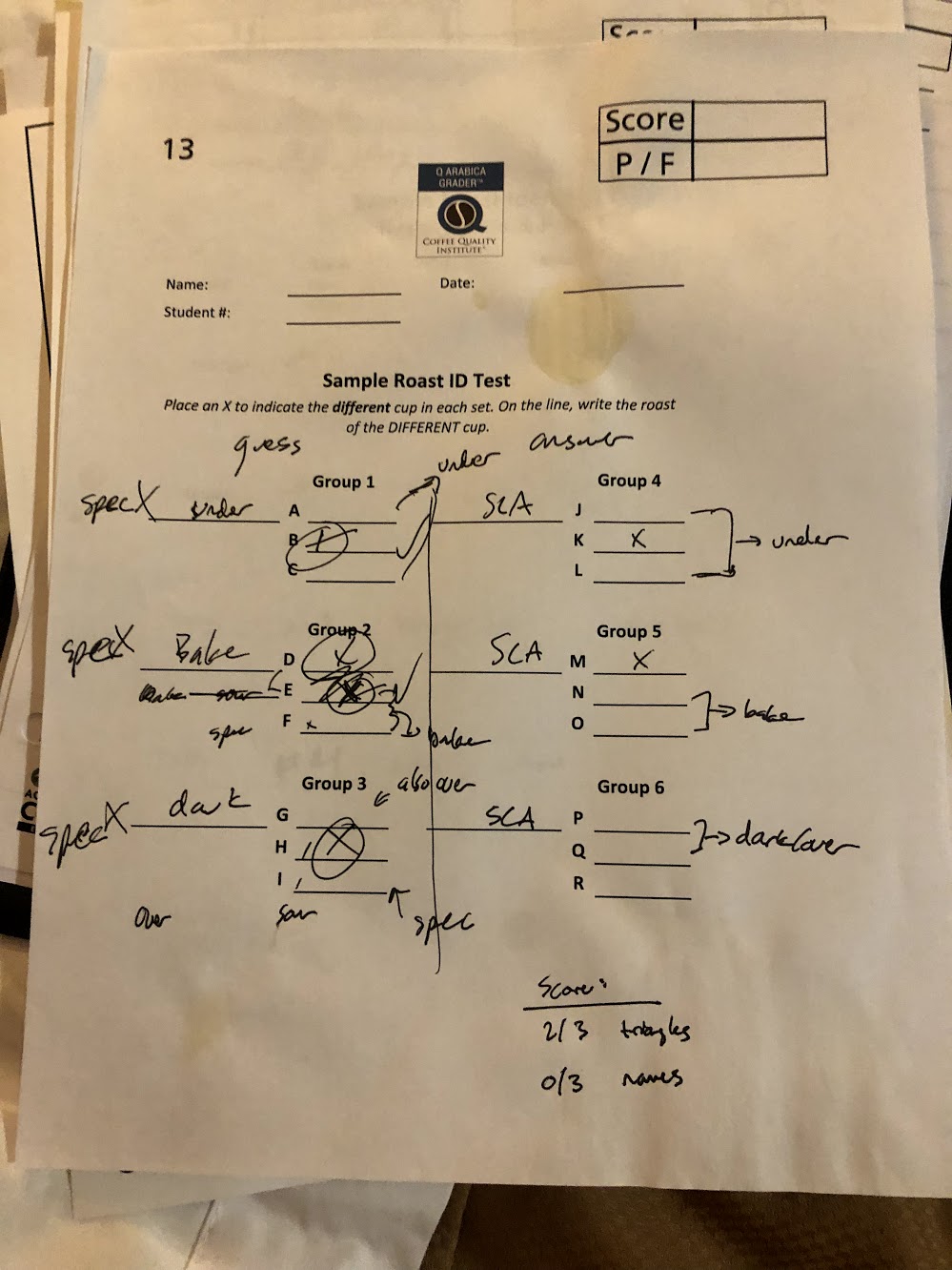
 Alex's Coffee Adventure